Vấn đề EB-5
Di trú > Trì hoãn trong quá trình xử lý
Xử lý đơn xin chậm trễ, chậm trễ thủ tục và các cập nhật khác về giám sát của chính phủ.
Chúng ta đang đấu tranh vì điều gì?
Vấn đề kéo dài về việc xử lý chậm trễ visa EB-5 tại Cục Di trú và Nhập tịch Hoa Kỳ (USCIS) và Văn phòng Chương trình Đầu tư Di trú (IPO) vẫn là thách thức lớn, cản trở ước mơ của các nhà đầu tư EB-5 và gia đình họ, đồng thời làm suy giảm hiệu quả của chương trình EB-5 nói chung. Thời gian xử lý kéo dài đối với các đơn xin EB-5 tạo ra một môi trường không chắc chắn cho các nhà đầu tư, làm chậm khả năng của họ trong việc đạt được tình trạng thường trú hợp pháp tại Hoa Kỳ. Quy trình xử lý chậm chạp này có tác động tiêu cực đến các kế hoạch tài chính và cá nhân của các nhà đầu tư, làm giảm sức hấp dẫn của chương trình EB-5 như một con đường di trú khả thi ở nước ngoài.
Hơn nữa, việc xử lý chậm trễ các visa EB-5 làm gián đoạn sự phát triển kinh tế của các dự án được tài trợ thông qua chương trình này. Các nhà phát triển dự án và trung tâm khu vực, phụ thuộc vào nguồn vốn đầu tư kịp thời từ các nhà đầu tư EB-5, cũng phải đối mặt với nhiều khó khăn khi phải đối phó với thời gian xử lý kéo dài. Những trì hoãn này có thể dẫn đến chi phí pháp lý tăng cao cho nhà đầu tư, mất cơ hội việc làm và cá nhân cho các gia đình, cũng như gặp thách thức trong việc đáp ứng các yêu cầu về tạo việc làm và nguồn vốn. Một hệ thống xử lý visa hiệu quả và nhanh chóng là điều cần thiết để duy trì tính toàn vẹn và độ tin cậy của chương trình EB-5, đảm bảo rằng các nhà đầu tư có thể vượt qua quy trình nhập cư với sự dự đoán và tin tưởng vào dịch vụ của USCIS.
Giải quyết vấn đề xử lý visa EB-5 chậm chạp đòi hỏi một phương pháp tiếp cận đa chiều, bao gồm cải cách thủ tục và phân bổ nguồn lực. Tối ưu hóa quy trình xét duyệt, cải thiện luồng công việc của USCIS và dành đủ nguồn lực để xử lý lượng đơn xin visa EB-5 ngày càng tăng là những bước quan trọng nhằm đẩy nhanh quá trình xử lý visa. Các nỗ lực vận động của AIIA tập trung vào việc thúc đẩy hợp tác giữa các nhà đầu tư EB-5, ngành công nghiệp EB-5 và chính phủ Hoa Kỳ để thực hiện các cải cách nhằm nâng cao tốc độ và hiệu quả của hệ thống xử lý visa EB-5. Bằng cách ưu tiên và khắc phục các thách thức liên quan đến việc xử lý chậm, chương trình EB-5 có thể hoàn thành tốt hơn các mục tiêu của mình và tiếp tục đóng góp tích cực cho nền kinh tế Hoa Kỳ.
Phòng tin tức
Thông tin và bài viết về sự chậm trễ trong xử lý
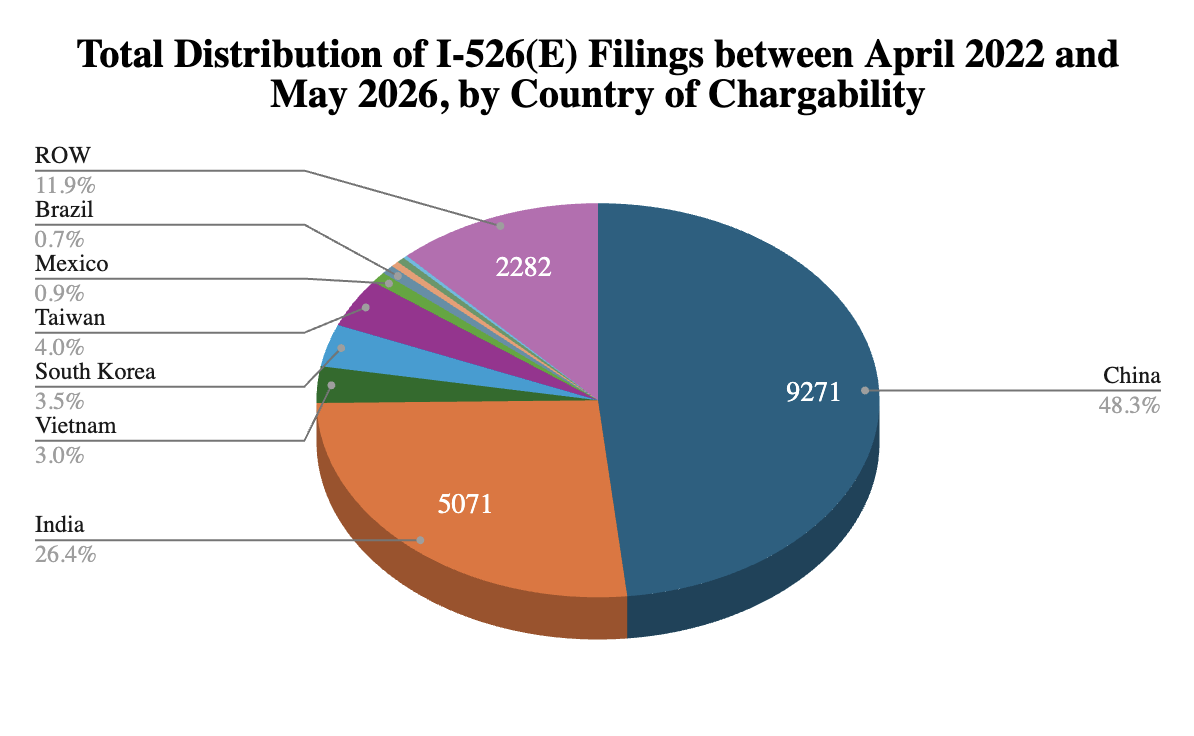
AIIA FOIA Series: Updated I-526E Inventory Statistics for May 2026
Investors from India and China still face significant visa backlogs regardless of category, Korea, Taiwan and Vietnam are still investing in HUA projects over rural.
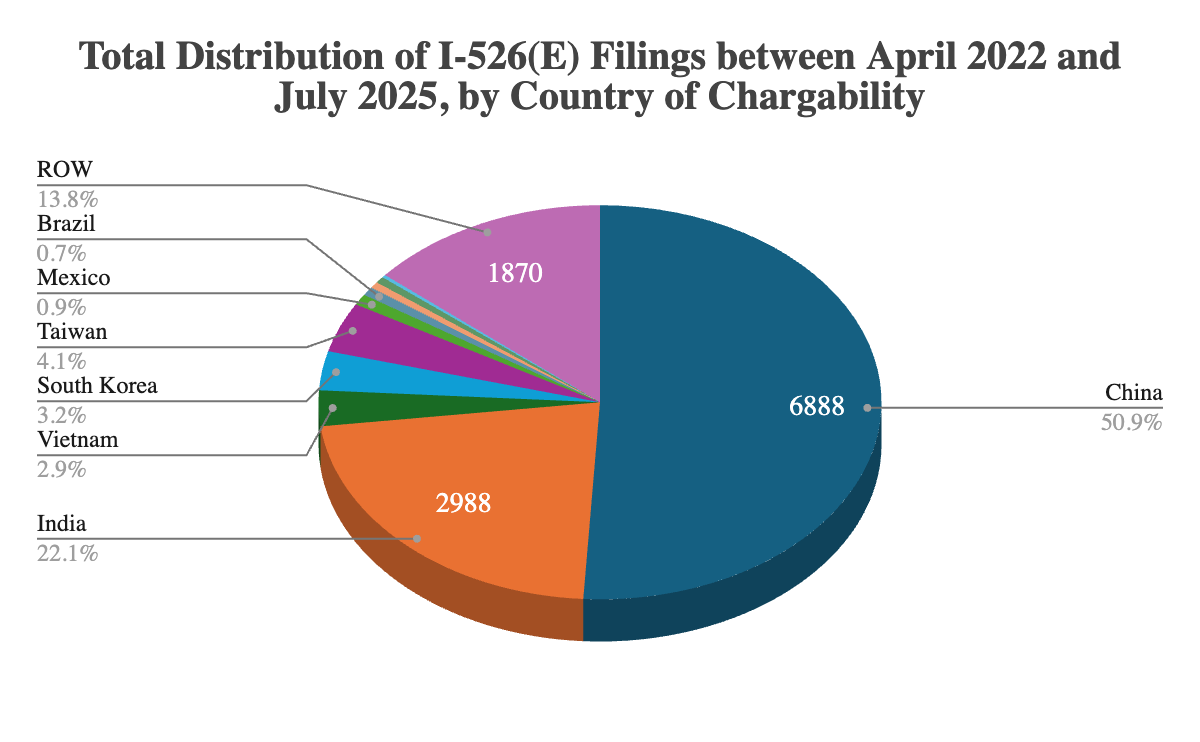
Chuỗi bài viết về Đạo luật Tự do Thông tin (FOIA) của AIIA: Số liệu thống kê cập nhật về hồ sơ I-526E tháng 7 năm 2025
AIIA đã thu thập được dữ liệu mới theo Đạo luật Tự do Thông tin (FOIA) tính đến ngày 31 tháng 7 năm 2025, tiết lộ cách thức USCIS thực sự xử lý các đơn xin EB-5, cho thấy việc ưu tiên mạnh mẽ đối với các trường hợp ở khu vực nông thôn, sự bỏ bê nghiêm trọng đối với các đơn xin ở khu vực có tỷ lệ thất nghiệp cao, cách xử lý không rõ ràng đối với các trường hợp liên quan đến cơ sở hạ tầng, và không có nguy cơ cận kề về việc ngày cắt giảm trong Bản tin Thị thực năm 2026 đối với các hạng mục được dành riêng. Dữ liệu này nhấn mạnh những thiếu sót nghiêm trọng về tính minh bạch và quy trình xử lý tại USCIS, đồng thời làm nổi bật lý do tại sao việc AIIA tiếp tục vận động và khởi kiện theo Đạo luật Tự do Thông tin (FOIA) là điều thiết yếu để bảo vệ các nhà đầu tư EB-5.

AIIA tổ chức cuộc họp lần thứ hai với Văn phòng Thanh tra viên của CIS.
Cuộc họp thứ hai của AIIA với Thanh tra Dịch vụ Công dân và Di trú (CISOMB) đã thảo luận về các vấn đề như thời gian duy trì, việc hết hạn tuổi, nguồn gốc và đường đi của quỹ, cũng như tính minh bạch với các nhà đầu tư EB-5 về việc tiếp nhận đơn xin và quá trình xét duyệt.

AIIA Meets with CIS Ombudsman
Đội ngũ AIIA đã tham dự cuộc họp đầu tiên do Văn phòng Thanh tra CIS tổ chức vào ngày 6 tháng 10, nơi đội ngũ đã thảo luận về các vấn đề ảnh hưởng đến cộng đồng nhà đầu tư EB-5. Chủ yếu, sự chậm trễ và thời gian xử lý kéo dài đối với các đơn xin EB-5 là nguyên nhân chính gây ra hầu hết các vấn đề mà nhà đầu tư nhập cư phải đối mặt, dẫn đến sự gia tăng nguy hiểm trong tỷ lệ tái phân bổ, từ chối đơn xin và tình trạng quá tuổi.

Who Is Responsible for My EB-5 Delay?
Sự chậm trễ trong quy trình nhập cư EB-5 là vấn đề kéo dài, đã tích tụ thành tình trạng đình trệ trong việc xử lý hồ sơ đối với một số nhà đầu tư EB-5. AIIA đã biên soạn một hướng dẫn để xác định một số nguyên nhân chính gây ra sự chậm trễ này, cũng như giải thích cách chúng ta hiện nay hiểu về quy trình nhập cư EB-5 được thực hiện giữa Bộ An ninh Nội địa (DHS) và Bộ Ngoại giao (DoS).

Giải quyết vấn đề ùn tắc visa
Với nhiều vấn đề tồn tại trong quy trình nhập cư của Hoa Kỳ, tình trạng ùn tắc visa đã trở thành mối quan tâm hàng đầu của các nhà đầu tư EB-5 trên toàn thế giới. AIIA phân tích và trình bày các giải pháp cải cách cơ chế được đề xuất để giải quyết tình trạng ùn tắc của chương trình EB-5, dựa trên các tiêu chí về tính khả thi, tính khả thi và tính ưu việt của từng giải pháp. Nếu bất kỳ giải pháp nào trong số này được triển khai trong vòng một năm tới, chương trình EB-5 có thể chứng kiến một sự thay đổi lớn trong việc phê duyệt và xử lý các đơn xin visa.

How Long Must pre-RIA EB-5 Applicants Expect to Wait for A Visa?
AIIA sử dụng dữ liệu mà chúng tôi đã thu thập thông qua các chiến dịch FOIA gần đây để cung cấp cho các nhà đầu tư EB-5 một ước tính tổng thể về thời gian chờ đợi dự kiến của các nhà đầu tư EB-5 từ các quốc gia có lượng đơn xin visa tồn đọng, dựa trên xu hướng dữ liệu lịch sử. Với thời gian xử lý đơn xin visa hiện tại của USCIS, triển vọng cho phần lớn các nhà đầu tư EB-5 từ các quốc gia có lượng đơn xin visa tồn đọng là rất u ám, đặc biệt là khi ít có biện pháp nào được thực hiện kể từ khi RIA được thông qua để khắc phục tình trạng thời gian chờ đợi kéo dài.
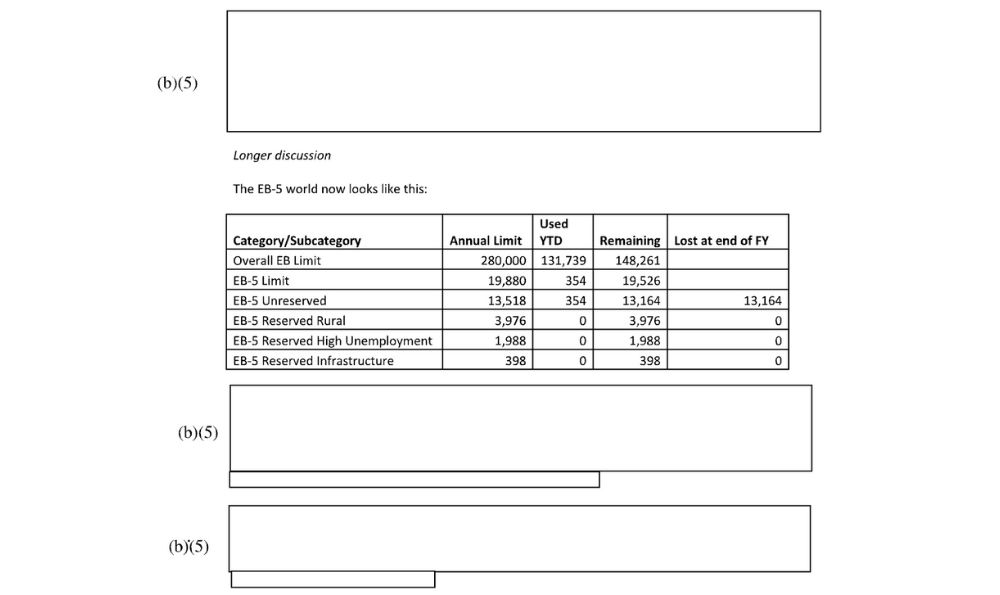
Vấn đề ùn tắc visa EB-5
Trong Phần hai của loạt bài về Tình trạng ùn tắc visa, AIIA phân tích các yếu tố nội tại góp phần gây ra tình trạng ùn tắc visa trong chương trình EB-5. Các yếu tố này bao gồm sự tồn tại của các hạn ngạch quốc gia và các hạng mục EB-5, tốc độ xử lý chậm, và các yếu tố khác.
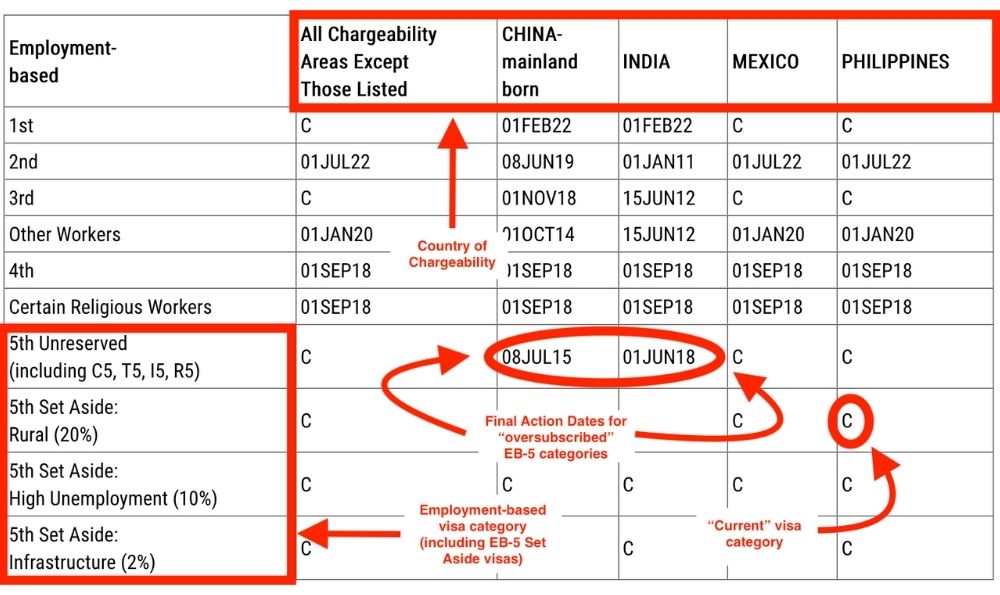
How Does the Visa Bulletin Work for EB-5 Investors?
Trong phần đầu tiên của loạt bài về tình trạng ùn tắc visa, AIIA cung cấp một giới thiệu tổng quan về chương trình EB-5, cách bản tin visa ảnh hưởng đến chương trình này, cũng như cách nhà đầu tư EB-5 nên hiểu bản tin visa thay vì dựa vào ngày ưu tiên của riêng họ. Thông tin này đặc biệt quan trọng đối với các nhà đầu tư phải đối mặt với tình trạng ùn tắc kéo dài dựa trên quốc gia chịu trách nhiệm của họ.
Public Webinar on AIIA’s Next Phase of Advocacy Efforts
Xem webinar đầu tiên của AIIA kể từ khi chương trình bị gián đoạn. Trong webinar này, chúng ta đã thảo luận về các vấn đề quan trọng và chưa được giải quyết của chương trình EB-5, bao gồm hiệu quả xử lý, tình trạng ùn tắc visa, việc duy trì và tái triển khai, cũng như sự thiếu minh bạch.
AIIA Files Amicus Brief to Support Investor Mandamus Efforts
AIIA đang ủng hộ vụ kiện của các nhà đầu tư EB-5 chống lại USCIS về việc chậm trễ trong việc xử lý đơn xin của họ. Các nhà đầu tư này đang khởi kiện để buộc USCIS phải xử lý các đơn xin EB-5 của họ, vốn đã bị chậm trễ trong thời gian dài.
AIIA FOIA Series: Pending I-526 and I-829 Petitions by Country
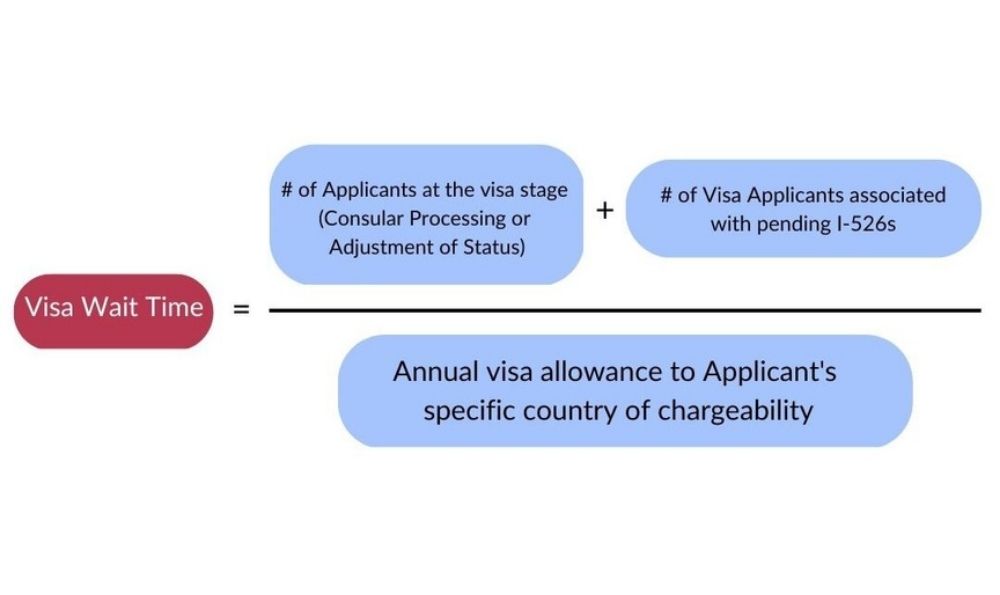
Dữ liệu mà AIIA nhận được thông qua yêu cầu theo Đạo luật Tự do Thông tin (FOIA) cho thấy số lượng đơn I-526 và I-829 đang chờ xử lý theo từng quốc gia, từ đó cho thấy tình trạng ùn tắc của các đơn EB-5 đang chờ được xử lý bởi USCIS. Thông tin này có thể được sử dụng để ước tính thời gian chờ visa cho các nhà đầu tư EB-5.
Đối với các bên liên quan đến Chương trình EB-5
Nguồn tài nguyên về độ trễ xử lý nổi bật

File an Expedite Request for the EB-5 Petition
Yêu cầu gia hạn EB-5 chỉ áp dụng cho các dự án hoặc trường hợp cá nhân, và yêu cầu bằng chứng mạnh mẽ như thiệt hại tài chính, nhu cầu nhân đạo hoặc lợi ích quốc gia để được Cục Di trú và Nhập tịch Hoa Kỳ (USCIS) phê duyệt.
Tìm hiểu thêm
Lệnh Mandamus (WOM) về việc xử lý chậm trễ hồ sơ EB-5
Một lệnh Mandamus buộc USCIS phải xử lý các đơn xin EB-5 bị trì hoãn, nhưng yêu cầu chuyên môn pháp lý và không đảm bảo việc xử lý nhanh hơn.
Tìm hiểu thêm
Vấn đề về việc hết hạn tuổi trong chương trình EB-5
Luật Bảo vệ Tuổi của Trẻ em (CSPA) giúp giữ nguyên tuổi của trẻ em trong các đơn xin thị thực EB-5, nhưng tình trạng ùn tắc thị thực kéo dài vẫn có thể khiến trẻ em vượt quá độ tuổi quy định và mất đi khả năng đủ điều kiện nhập cư.
Tìm hiểu thêmLiên hệ với chuyên gia
AIIA đã tuyển chọn một danh sách các chuyên gia hàng đầu, bao gồm luật sư, chuyên gia đầu tư và người viết kế hoạch kinh doanh, để hỗ trợ tất cả các bên liên quan đến chương trình EB-5.
Danh bạ các chuyên gia

AIIA đã tuyển chọn một danh sách các chuyên gia hàng đầu, bao gồm luật sư, chuyên gia đầu tư và người viết kế hoạch kinh doanh, để hỗ trợ tất cả các bên liên quan đến chương trình EB-5.
Xem Danh bạ Chuyên giaCâu hỏi thường gặp
Tại sao việc xử lý visa chậm lại là một vấn đề lớn đối với các nhà đầu tư EB-5?
Thời gian xử lý kéo dài tại USCIS và Văn phòng Chương trình Đầu tư Di trú (IPO) gây ra sự bất ổn sâu sắc cho các nhà đầu tư EB-5 và gia đình họ. Những trì hoãn này làm chậm quá trình cấp thẻ xanh, gây rối loạn kế hoạch tài chính và có thể khiến các gia đình bỏ lỡ các cơ hội giáo dục hoặc việc làm. Sự không chắc chắn này cũng làm giảm sự quan tâm của các nhà đầu tư tiềm năng ở nước ngoài, làm suy yếu niềm tin vào chương trình EB-5 như một lựa chọn di trú đáng tin cậy.
Thời gian xử lý chậm ảnh hưởng như thế nào đến các dự án EB-5 và trung tâm khu vực?
Sự chậm trễ kéo dài không chỉ ảnh hưởng đến nhà đầu tư mà còn tác động đến các nhà phát triển dự án và các trung tâm khu vực phụ thuộc vào vốn EB-5 để thúc đẩy tăng trưởng kinh tế. Khi đơn xin của nhà đầu tư bị kẹt trong các hàng đợi kéo dài, các dự án có thể đối mặt với tình trạng thiếu hụt vốn, chi phí hành chính tăng cao và khó khăn trong việc đáp ứng các yêu cầu về tạo việc làm hoặc tuân thủ quy định. Sự không chắc chắn này có thể làm chậm quá trình phát triển kinh tế địa phương và làm giảm tác động tổng thể của chương trình EB-5.
Có thể thực hiện những bước nào để cải thiện thời gian xử lý visa EB-5?
Các giải pháp bao gồm tối ưu hóa quy trình xét duyệt của USCIS, cải thiện quy trình làm việc nội bộ và phân bổ thêm nhân lực và nguồn lực để xử lý lượng hồ sơ EB-5. Đào tạo nâng cao, hệ thống công nghệ tốt hơn và các chỉ số trách nhiệm rõ ràng cũng có thể giúp quá trình xử lý trở nên dự đoán được và hiệu quả hơn. Các biện pháp này sẽ cho phép nhà đầu tư và nhà phát triển lập kế hoạch một cách tự tin và giảm thiểu các rối loạn kinh tế do thời gian chờ đợi kéo dài gây ra.
AIIA đang giải quyết vấn đề xử lý visa EB-5 chậm trễ như thế nào?
AIIA tích cực thúc đẩy cải cách thủ tục và nâng cao hiệu quả hoạt động của chính phủ thông qua việc tương tác trực tiếp với các nhà hoạch định chính sách, các nỗ lực tăng cường minh bạch công khai và xây dựng liên minh trong cộng đồng EB-5. Bằng cách nhấn mạnh tác động thực tế của việc xử lý chậm trễ và thúc đẩy các cải thiện có mục tiêu tại USCIS và IPO, AIIA nỗ lực đảm bảo rằng các nhà đầu tư EB-5 nhận được các quyết định xét duyệt kịp thời, công bằng và minh bạch.
Liên hệ với chúng tôi
Nếu quý vị có bất kỳ câu hỏi, thắc mắc hoặc đề xuất hợp tác nào, xin vui lòng liên hệ với chúng tôi mà không ngần ngại.
 Vietnamese
  English
  Chinese