Bản tin #5 – Việc gia hạn không được dự kiến cho đến năm sau.
Ngày 2 tháng 11 năm 2021
Việc gia hạn Chương trình Trung tâm Khu vực EB-5 có khả năng sẽ không diễn ra trước cuối năm; chúng ta cần đoàn kết để đảm bảo Quốc hội bảo vệ tương lai của các nhà đầu tư nhập cư.
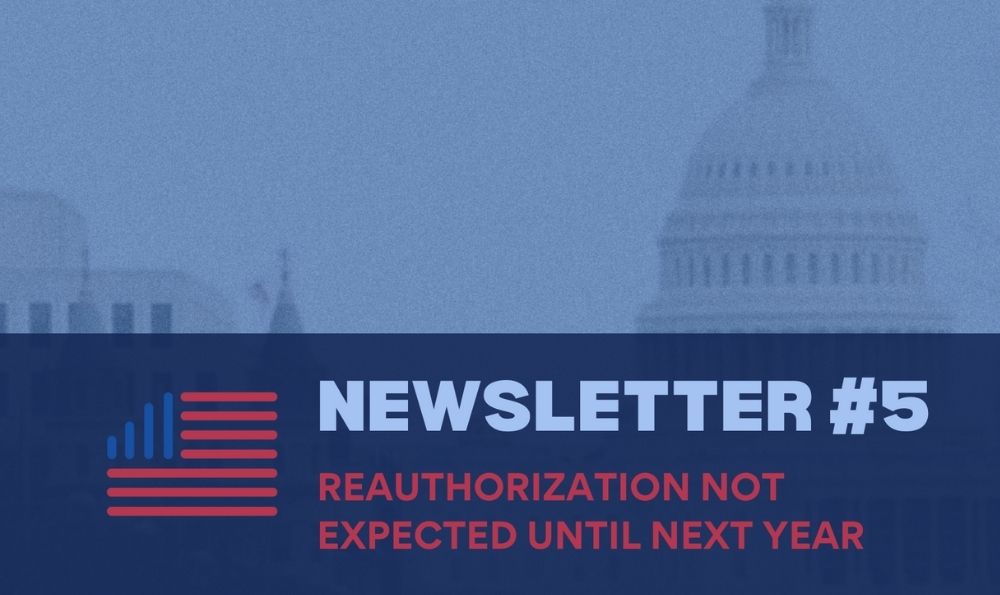
Giờ đây đã có câu trả lời cho câu hỏi nóng hổi nhất trong giới EB-5: Chương trình Trung tâm Khu vực có được gia hạn vào ngày 3 tháng 12 không?
Câu trả lời là: Không khả thi.
Câu hỏi lớn hơn mà ngành công nghiệp đang phải đối mặt có một câu trả lời mang tính lạc quan hơn, nhưng vẫn còn nhiều điều đáng lo ngại: Chương trình có được khôi phục lại không?
Có thể. Nhưng không chắc chắn.
Gần đây, chúng tôi đã tổ chức một buổi hỏi đáp dành cho các nhà tài trợ với ông Bruce Morrison, cựu thành viên Quốc hội và nhà vận động hành lang của AIIA, thuộc Tập đoàn Morrison Public Affairs. Ông Morrison đã chia sẻ những phân tích sâu sắc và thông tin về tình hình hiện tại của việc gia hạn và các xu hướng chính trị sẽ định hình các hành động – và sự thiếu hành động – trên Đồi Capitol trong phần còn lại của năm.
Chúng tôi xin chia sẻ một số điểm chính từ phiên họp dưới đây, kèm theo phân tích chi tiết và bối cảnh về tình hình hiện tại của Chương trình Trung tâm Khu vực EB-5.
Những điểm chính
- Quốc hội có khả năng sẽ không đạt được sự đồng thuận về dự luật chi tiêu trước ngày 3 tháng 12. Dự kiến họ sẽ thông qua một nghị quyết tiếp tục (CR) để tài trợ cho chính phủ cho đến tháng 2 hoặc tháng 3 năm 2022.
- Dự luật cải cách trung tâm khu vực mới, đã đạt được sự đồng thuận chung giữa các bên liên quan trong ngành EB-5, đã được trình lên các thành viên Quốc hội và có khả năng sẽ là cơ sở cho dự luật tái ủy quyền cuối cùng.
- Có sự sẵn sàng trong Quốc hội để đạt được thỏa thuận về việc gia hạn.
- AIIA ủng hộ việc gia hạn và sẽ nỗ lực để đảm bảo rằng các quy định quan trọng của chúng tôi Luật Bảo vệ Công bằng cho Nhà đầu tư Nước ngoài (FIFPA) được tích hợp vào ngôn ngữ cuối cùng của dự luật cải cách Trung tâm Khu vực.
- AIIA sẽ tiếp tục theo dõi tình hình tại Quốc hội và sẵn sàng thúc đẩy một dự luật độc lập để bảo vệ quyền lợi của các nhà đầu tư hiện tại nếu và khi rõ ràng rằng việc gia hạn lại đang đối mặt với bế tắc hoặc ngõ cụt. Nếu chúng ta có thể thu hút đủ sự ủng hộ vào cuối tháng 12 – và điều đó là thuận lợi về mặt chính trị – AIIA sẽ vận động để FIFPA được ưu tiên xử lý tại Thượng viện.
Thời gian thực hiện việc gia hạn
Đối với những ai đang theo dõi diễn biến mới nhất về việc gia hạn giấy phép cho Trung tâm Khu vực, ngày 3 tháng 12 đã trở thành tia hy vọng mới nhất cho Chương trình (đối với những ai chưa theo dõi sát sao các diễn biến, chúng tôi đã tóm tắt ngắn gọn). Trong bài viết trước của chúng tôi). Vào ngày 3 tháng 12, Quốc hội dự kiến sẽ thông qua một dự luật chi tiêu tổng hợp (kèm theo dự luật phân bổ ngân sách cho Bộ An ninh Nội địa, trong đó việc gia hạn chương trình EB-5 sẽ được đính kèm) hoặc thông qua một nghị quyết tiếp tục để gia hạn nguồn tài trợ cho chính phủ sang năm 2022.
Theo các nguồn tin của chúng tôi tại Quốc hội, chúng tôi dự đoán kịch bản sau. Quốc hội hiện đang phải đối mặt với hai dự luật lớn và gây tranh cãi về chi tiêu xã hội và cơ sở hạ tầng, chưa kể đến việc phải nâng hoặc tạm hoãn trần nợ công trước ngày 3 tháng 12. Dự kiến Quốc hội sẽ hoãn việc xem xét các dự luật phân bổ ngân sách trước ngày 3 tháng 12 và thay vào đó sẽ ban hành một dự luật tạm thời (CR) kéo dài đến tháng 2 hoặc tháng 3 năm 2022.
Dự luật Cải cách Thống nhất, hay còn gọi là “Dự luật Cải cách EB-5 và Tạo việc làm”
Ngành EB-5 và các bên liên quan chính đã lâu nay luôn có những bất đồng gay gắt với nhau về các điều khoản của bất kỳ dự luật gia hạn dài hạn nào, và điều này cũng áp dụng cho các thành viên chính của Quốc hội. Dự luật cải cách mới nhất, được Hiệp hội Thương mại Hoa Kỳ phân phối đến các văn phòng Quốc hội vào tháng trước, là duy nhất vì đây là dự luật đầu tiên được đề xuất có sự ủng hộ đồng thuận từ ngành EB-5. và Đề cập đến tất cả các vấn đề nóng hổi của Chương trình, không chỉ là tính liêm chính và các biện pháp cải cách.
Dự luật đề xuất gia hạn Chương trình Trung tâm Khu vực đến năm 2032, bao gồm các quy định nhằm giải quyết tình trạng ùn tắc visa và thời gian xử lý, định nghĩa lại mức đầu tư và chỉ định Khu vực Đầu tư Ưu tiên (TEA), và tất nhiên, bao gồm các biện pháp cải cách và đảm bảo tính minh bạch. Mặc dù dự luật cũng cố gắng bảo vệ quyền lợi của các nhà đầu tư hiện tại, chúng tôi cho rằng ngôn ngữ hiện tại là chưa đủ và hy vọng ngành công nghiệp tiếp tục hợp tác với chúng tôi để khắc phục phần này của dự luật. Chúng tôi đã phân tích vấn đề này và các vấn đề khác mà các nhà đầu tư hiện tại cần chú ý kỹ lưỡng trong bản tin trước đây của chúng tôi.
Con đường phía trước
Trong khi một CR khác có thể khiến Chương trình tiếp tục bị treo lơ lửng trong vòng ba đến bốn tháng nữa, thời gian kéo dài này có thể mang lại lợi ích cho ngành công nghiệp. Thời gian bổ sung để đàm phán về dự luật cải cách Trung tâm Khu vực mới cũng cho phép AIIA tiếp tục các nỗ lực vận động hành lang và xây dựng sự ủng hộ, đảm bảo rằng các nhà đầu tư hiện tại có tiếng nói trong quá trình đàm phán và dự luật cuối cùng bao gồm các điều khoản phục vụ lợi ích của các nhà đầu tư hiện tại và bảo vệ đầy đủ quyền lợi của họ.
Để có được phiên bản cuối cùng của dự luật cải cách được đính kèm vào dự luật phân bổ ngân sách cho Bộ An ninh Nội địa (DHS) là con đường tốt nhất để gia hạn thẩm quyền cho Trung tâm Khu vực. Để Quốc hội xem xét nghiêm túc nỗ lực gia hạn này, ngành công nghiệp phải duy trì sự linh hoạt và đồng thuận, ngay cả khi Quốc hội phản đối một số điều khoản gây tranh cãi trong dự luật cải cách của ngành. Thành công của nỗ lực gia hạn sẽ phụ thuộc vào việc ngành công nghiệp bảo vệ lợi ích của mình đồng thời nhận thức rằng họ không có đủ vốn chính trị để đối đầu cứng rắn với các Thượng nghị sĩ quan trọng có thể dễ dàng làm thất bại dự luật.
Không có gì đảm bảo rằng dự luật cải cách mới sẽ có cơ hội thông qua Quốc hội cao hơn so với các nỗ lực trước đây được đề xuất tại các thời điểm tái ủy quyền trước đây. Nhưng chính điều đó khiến công việc của AIIA trở nên cấp thiết. Nếu chúng ta có thể tiếp tục duy trì đội ngũ vận động hành lang (bằng cách có nguồn tài chính để làm điều đó), chúng ta có thể tiếp tục vận động các thành viên có ảnh hưởng của Quốc hội, thu hút sự ủng hộ lưỡng đảng cho việc miễn trừ, và đảm bảo rằng:
- Ngôn ngữ miễn trừ hợp lý và các biện pháp bảo vệ nhà đầu tư khác (được nêu chi tiết trong bản tin trước đây của chúng tôi) đã được bổ sung vào dự luật cải cách Trung tâm Khu vực, sau đó sẽ được gắn vào một dự luật bắt buộc phải thông qua và được ban hành thành luật. HOẶC
- Chúng tôi có đủ sự ủng hộ từ các thành viên Quốc hội để hoặc đính kèm FIFPA một cách độc lập vào dự luật phải thông qua, hoặc đưa FIFPA thành một dự luật độc lập, trong trường hợp dự luật tái ủy quyền và cải cách không được thông qua.
Chúng tôi đã liên hệ với Đại biểu Greg Stanton (D-AZ) về dự luật miễn trừ (FIFPA) mà chúng tôi đề xuất. Đại biểu Stanton là người đề xuất chính của dự luật này. Luật Nhân sự 2901, đã được chuyển đến Tiểu ban về Di trú và Quốc tịch.
Vị trí của AIIA
Chúng tôi nhận thức rõ rằng bất kỳ sự chậm trễ nào nữa trong việc xử lý đơn xin của các nhà đầu tư sẽ gây ra những khó khăn lớn cho mọi thành viên của AIIA và thực sự cho tất cả các nhà đầu tư. Tuy nhiên, chúng tôi tin rằng việc thúc đẩy FIFPA như một đạo luật độc lập, tách biệt với dự luật cải cách Trung tâm Khu vực, vào thời điểm này sẽ phản tác dụng, ngay cả khi điều đó có thể thực hiện được.
Trong khi chúng tôi sẽ tiếp tục phân phối FIFPA cho các thành viên Quốc hội để xây dựng sự ủng hộ cho việc miễn trừ, hiện tại Quốc hội không có ý định thông qua các dự luật EB-5 riêng lẻ, mỗi dự luật phải được thông qua riêng biệt. Vì Quốc hội cần thấy ngành EB-5 đoàn kết và hợp tác, chứ không bị chia rẽ thành các nhóm lợi ích khác nhau, AIIA sẵn sàng hợp tác chặt chẽ với các thành viên trong ngành để đạt được một dự luật cuối cùng có thể bảo vệ đầy đủ các nhà đầu tư hiện tại đồng thời đạt được việc gia hạn dài hạn và cải cách cần thiết cho chương trình.
Điều quan trọng hàng đầu là chúng ta phải thành công trong nỗ lực này, bởi vì những thiếu sót trong chương trình trong tương lai mà không có điều khoản miễn trừ thích hợp được đưa vào dự luật có thể gây ra tác động tàn phá tương tự như những gì đang xảy ra với các nhà đầu tư và gia đình của họ ngày nay. Đồng thời, chúng ta tiếp tục ủng hộ nguyên tắc đối xử với các nhà đầu tư theo các tiêu chuẩn và luật lệ đã có hiệu lực tại thời điểm họ thực hiện đầu tư.
Chúng tôi coi dự luật cải cách trung tâm khu vực là cách thức hiệu quả nhất để tích hợp ngôn ngữ và quy định của dự luật của chúng tôi, đồng thời củng cố các biện pháp bảo vệ khác cho các nhà đầu tư hiện tại. Chương trình đang ở giai đoạn quan trọng, đòi hỏi tất cả các bên liên quan trong ngành phải hợp tác để đảm bảo Quốc hội không mất ý chí trong việc thông qua việc gia hạn.
Trong trường hợp việc gia hạn không còn khả thi về mặt chính trị, chúng tôi đã sẵn sàng trình bày và thúc đẩy FIFPA như một dự luật độc lập. Với mục đích này, cũng như để tham gia vào các cuộc thảo luận tái ủy quyền đang diễn ra, chúng tôi sẽ tiếp tục sử dụng dịch vụ của Morrison Public Affairs Group để theo dõi các diễn biến tại Washington và xây dựng sự ủng hộ cho FIFPA và quyền lợi của các nhà đầu tư EB-5 hiện tại. Để làm được điều này, chúng tôi cần sự ủng hộ từ các thành viên để duy trì nỗ lực vận động hành lang của chúng tôi cho đến khi việc xử lý đơn xin và cấp thẻ xanh cho các nhà đầu tư EB-5 được khôi phục hoàn toàn.
Điều quan trọng là phải nhận thức được rằng có một khoảng thời gian chậm trễ về mặt hành chính giữa việc Quốc hội thông qua một đạo luật cụ thể và việc USCIS bắt đầu triển khai các quy định của đạo luật đó với toàn bộ sức mạnh. Do đó, chúng tôi coi đây là trách nhiệm của mình không chỉ là theo dõi việc thông qua dự luật gia hạn tại Quốc hội, mà còn là yêu cầu USCIS thực hiện đạo luật một cách đầy đủ cả về mặt chữ nghĩa lẫn tinh thần.
Nếu bạn chưa thực hiện điều này, vui lòng xem xét. Ủng hộ để AIIA tiếp tục hoạt động tích cực trong giai đoạn quan trọng và then chốt này.. Nếu bạn là một bên liên quan đến chương trình EB-5 dưới bất kỳ hình thức nào, thì việc ủng hộ việc bảo vệ cộng đồng của chúng ta hiện nay quan trọng hơn bao giờ hết. Không có gì đảm bảo rằng dự luật cải cách Trung tâm Khu vực sẽ được thông qua trong năm nay, và mặc dù chúng tôi hoàn toàn nhận thức được rằng điều đó có thể là một suy nghĩ đáng lo ngại, nhưng sẽ tồi tệ hơn nhiều nếu điều đó trở thành hiện thực và AIIA, thay mặt cho cộng đồng EB-5, không thể thiết lập FIFPA như một giải pháp thay thế khả thi.
Danh bạ các chuyên gia

AIIA đã tuyển chọn một danh sách các chuyên gia hàng đầu, bao gồm luật sư, chuyên gia đầu tư và người viết kế hoạch kinh doanh, để hỗ trợ tất cả các bên liên quan đến chương trình EB-5.
Xem Danh bạ Chuyên giaBài viết liên quan
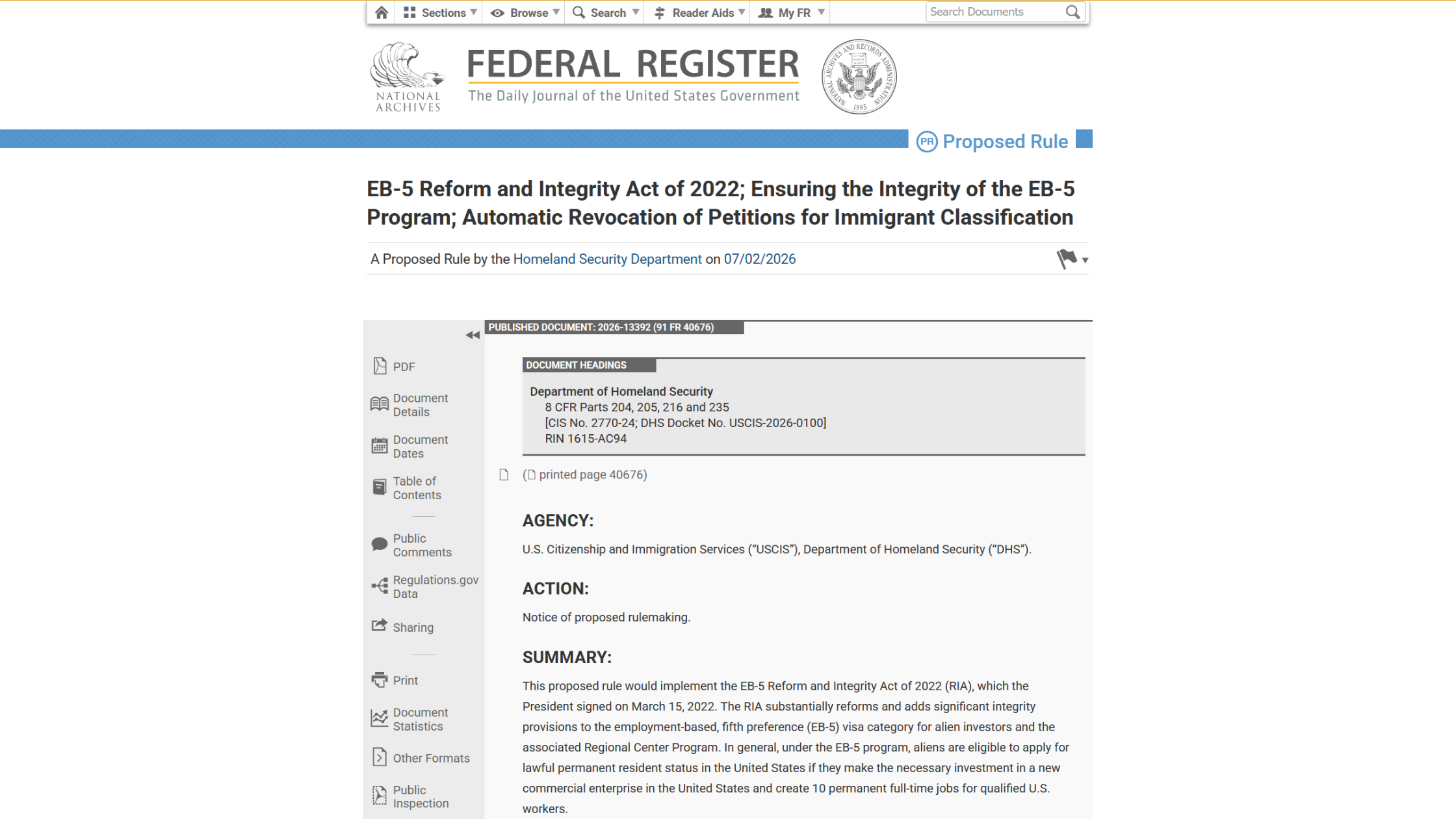
Investor First: Our Comment On The New Proposed EB-5 Rules
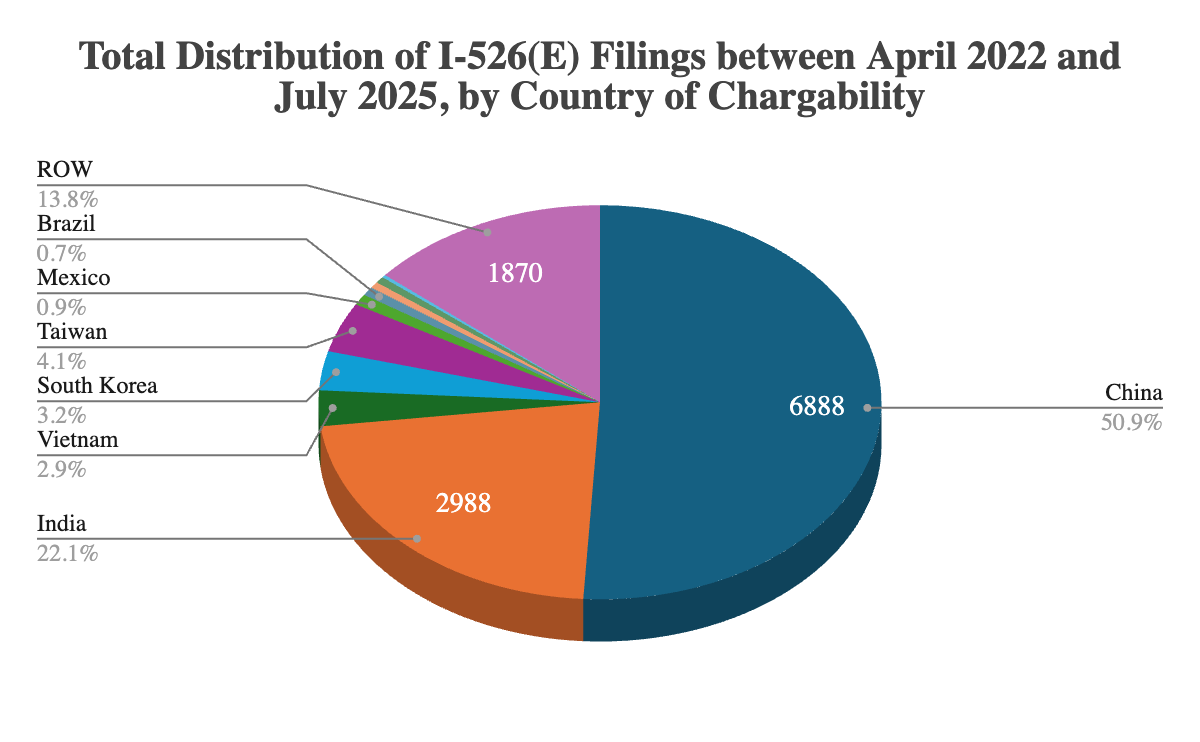
Chuỗi bài viết về Đạo luật Tự do Thông tin (FOIA) của AIIA: Số liệu thống kê cập nhật về hồ sơ I-526E tháng 7 năm 2025
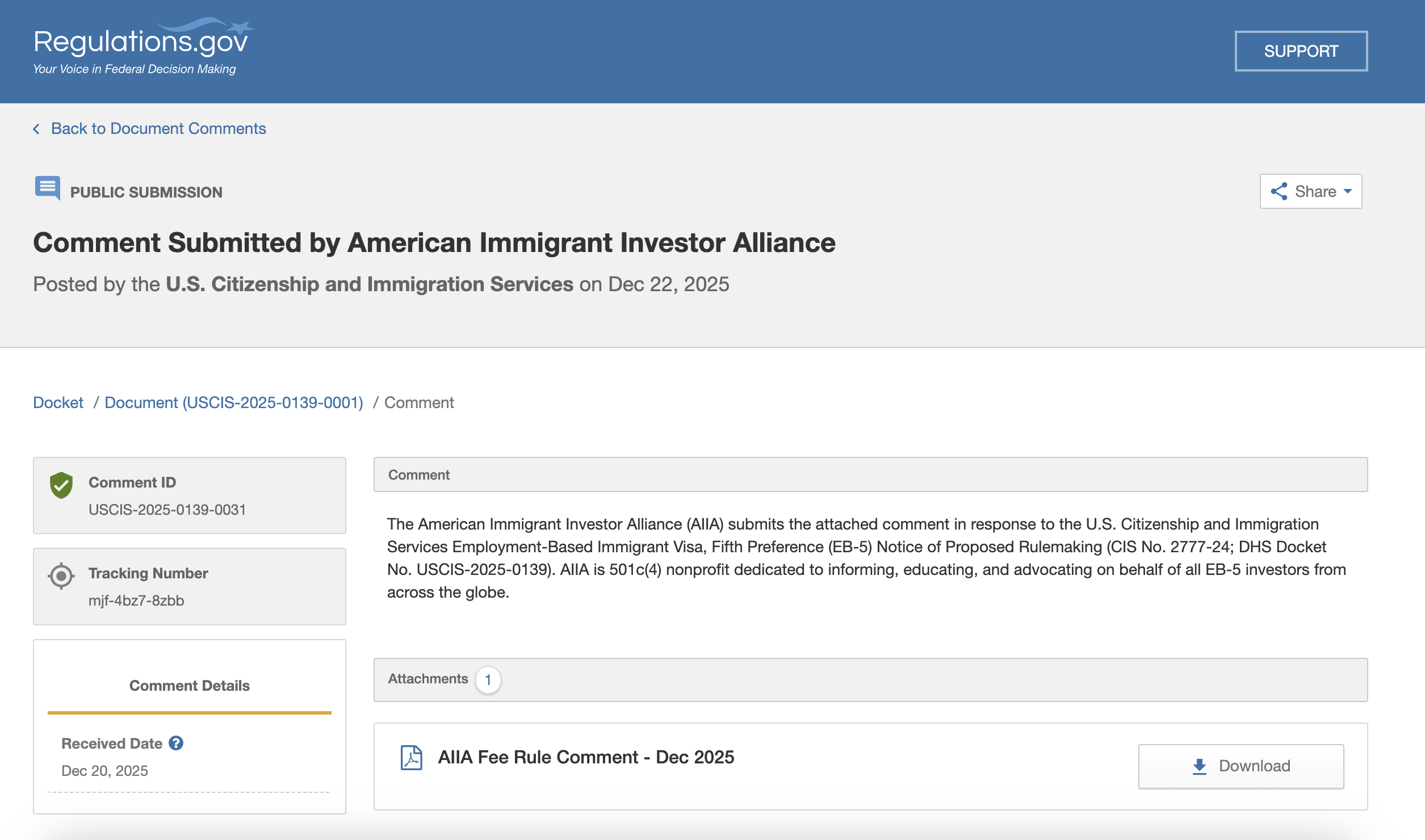
Hiệp hội Đầu tư Nước ngoài Hoa Kỳ (AIIA) gửi ý kiến đóng góp về Dự thảo Quy định (NPRM) của Sở Di trú và Nhập tịch Hoa Kỳ (USCIS) liên quan đến quy định cập nhật về lệ phí EB-5
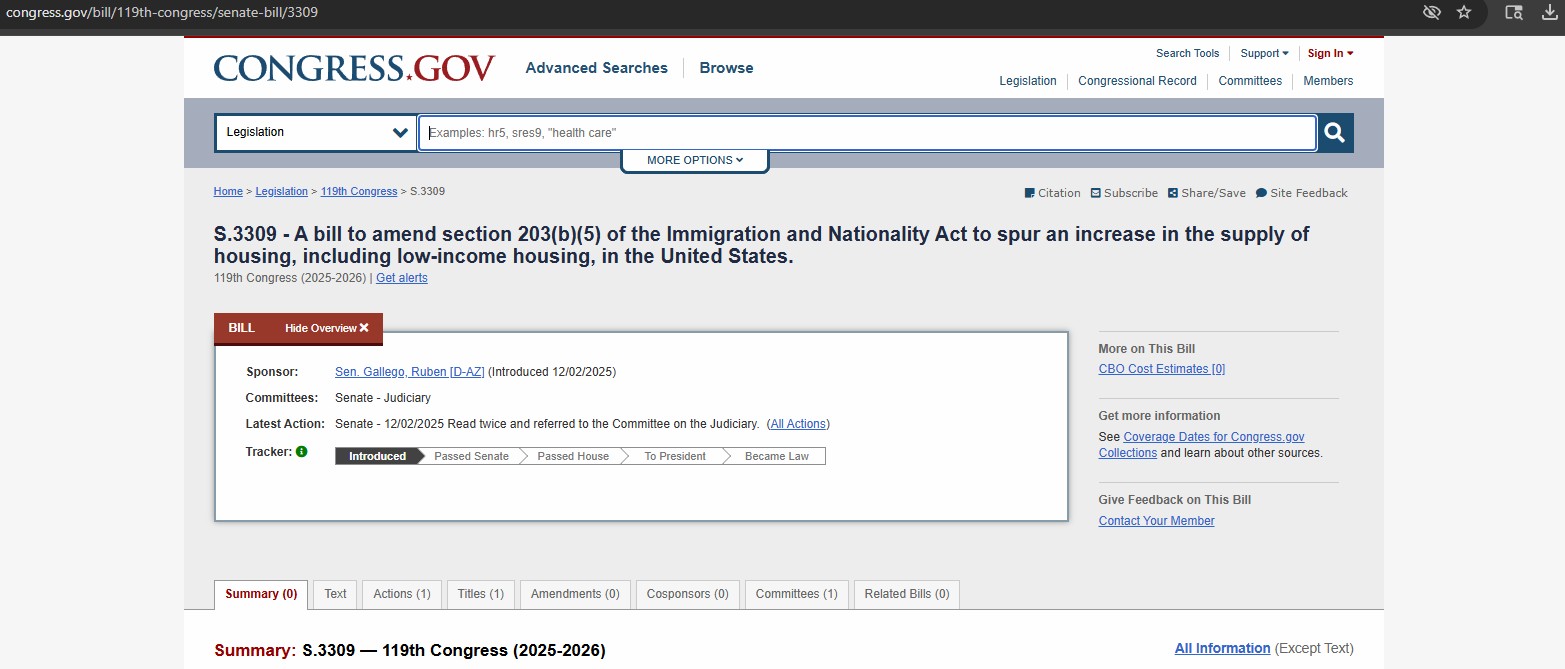
Chúng tôi xin chúc mừng Thượng nghị sĩ Gallego về dự luật mới tận dụng Chương trình EB-5 để xây dựng nhà ở giá rẻ.

Danh bạ các chuyên gia
AIIA đã tuyển chọn một danh sách các chuyên gia hàng đầu, bao gồm luật sư, chuyên gia đầu tư và người viết kế hoạch kinh doanh, để hỗ trợ tất cả các bên liên quan đến chương trình EB-5.
Xem Danh bạ Chuyên giaBài viết liên quan
Investor First: Our Comment On The New Proposed EB-5 Rules
Chuỗi bài viết về Đạo luật Tự do Thông tin (FOIA) của AIIA: Số liệu thống kê cập nhật về hồ sơ I-526E tháng 7 năm 2025
Hiệp hội Đầu tư Nước ngoài Hoa Kỳ (AIIA) gửi ý kiến đóng góp về Dự thảo Quy định (NPRM) của Sở Di trú và Nhập tịch Hoa Kỳ (USCIS) liên quan đến quy định cập nhật về lệ phí EB-5
Chúng tôi xin chúc mừng Thượng nghị sĩ Gallego về dự luật mới tận dụng Chương trình EB-5 để xây dựng nhà ở giá rẻ.

Cập nhật thông tin mới nhất từ AIIA
Đăng ký nhận bản tin của chúng tôi để cập nhật thông tin mới nhất về chương trình EB-5.
Bằng cách đăng ký, bạn đồng ý với Chính sách Bảo mật của chúng tôi và đồng ý nhận các cập nhật từ công ty chúng tôi.
Nguồn tài liệu được khuyến nghị

Vấn đề về việc hết hạn tuổi trong chương trình EB-5
Luật Bảo vệ Tuổi của Trẻ em (CSPA) giúp giữ nguyên tuổi của trẻ em trong các đơn xin visa EB-5, nhưng tình trạng ùn tắc visa kéo dài vẫn tiềm ẩn rủi ro...
Đọc thêm
Việc bán các đợt chào bán chứng khoán EB-5
Bán chứng khoán EB-5 thường sử dụng các quy định miễn trừ theo Quy định D (nhà đầu tư Mỹ) và Quy định S (nhà đầu tư nước ngoài) để tránh đăng ký với Ủy ban Chứng khoán và Giao dịch Hoa Kỳ (SEC) trong khi...
Đọc thêm
Choosing between Direct vs Regional Center EB-5 Financing
Chương trình EB-5 trực tiếp dành cho các nhà đầu tư cá nhân tạo ra việc làm trực tiếp; Chương trình EB-5 Trung tâm Khu vực tập hợp nhiều nhà đầu tư, tính cả việc làm trực tiếp và gián tiếp cho...
Đọc thêmBài viết mới nhất trên blog
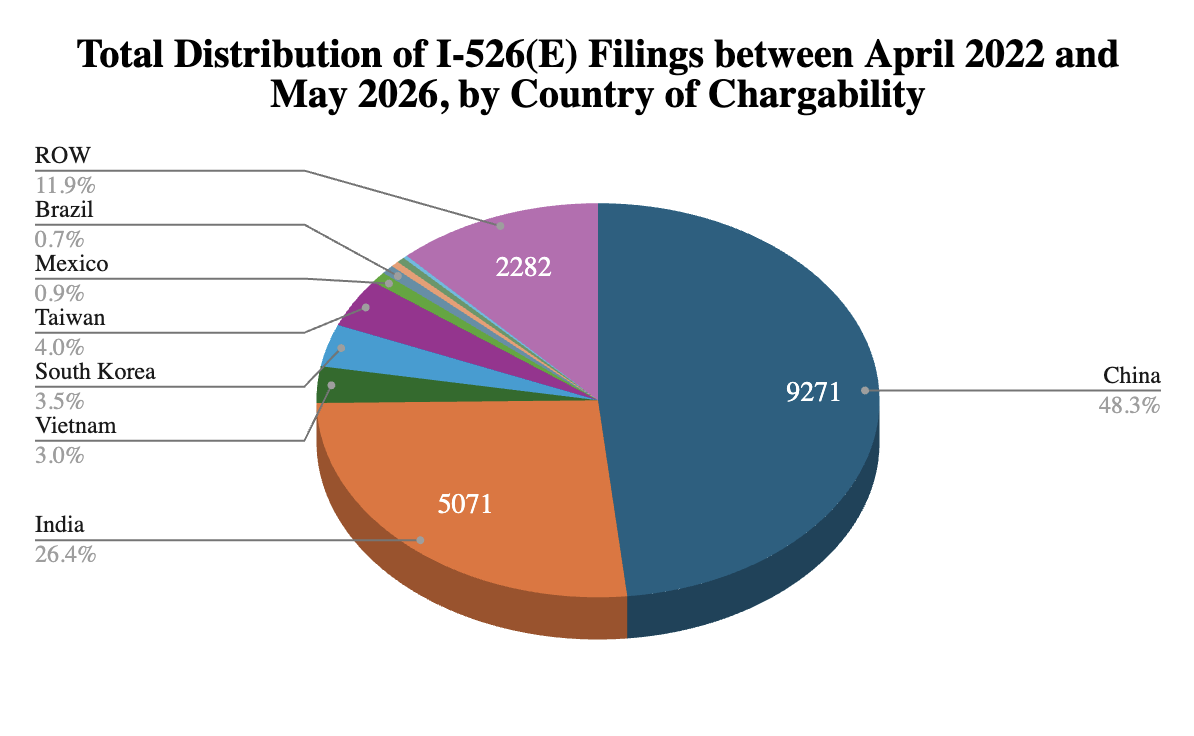
AIIA FOIA Series: Updated I-526E Inventory Statistics for May 2026
Investors from India and China still face significant visa backlogs regardless of category, Korea, Taiwan and Vietnam are still investing...
Tìm hiểu thêm
The Administration is Attacking EB-5 by Wasting Visa Numbers through an RFE Debacle
USCIS is deliberately issuing baseless, repetitive RFEs demanding already-submitted Form I-693 medical exams from EB-5 and other employment-based adjustment applicants,...
Tìm hiểu thêmInvestor First: Our Comment On The New Proposed EB-5 Rules
Our comments supporting the two-year sustainment clock while pressing for investor safeguards on third-party promoter liability, source-of-funds burdens, bridge financing,...
Tìm hiểu thêm
Class Action Lawsuit Filed Against USCIS for EB-5 Fee Refunds
Did you pay inflated EB-5 filing fees after April 2024? AIIA has filed a federal class action lawsuit against USCIS...
Tìm hiểu thêmLiên hệ với chúng tôi
Nếu quý vị có bất kỳ câu hỏi, thắc mắc hoặc đề xuất hợp tác nào, xin vui lòng liên hệ với chúng tôi mà không ngần ngại.
 Vietnamese
  English
  Chinese
Phản hồi (0)