Luật Bảo vệ Công bằng cho Nhà đầu tư Nước ngoài: Câu hỏi thường gặp và Cập nhật
18th Tháng mười một, 2021
Một phân tích chi tiết về Dự luật Bảo vệ Công bằng cho Nhà đầu tư Nước ngoài (Foreign Investor Fairness Protection Act) được cập nhật của AIIA, nhằm bảo vệ các nhà đầu tư EB-5 hiện tại khỏi những thiếu sót của chương trình, và có thể thực hiện hành động độc lập nếu cần thiết.
On July 14, two weeks after the reauthorization of the EB-5 Regional Center program failed, AIIA released the Luật Bảo vệ Công bằng cho Nhà đầu tư Nước ngoài (FIFPA), a simple, two-page bill designed to ensure that existing EB-5 petitions be “grandfathered” into the EB-5 visa pool, despite the lapse of the Regional Center program. For the last several months, we have been actively promoting FIFPA in Congress and circulating the bill to other stakeholders and legal advisors. Based on feedback we’ve received, and in consultation with our congressional lobbyist, Bruce Morrison, AIIA has updated the language of FIFPA, strengthening it to better protect investor interests.
We’ve compiled a list of frequently asked questions, and their answers, to provide more context for the updates, the importance of the bill, how it protects investors, and the various pathways for it to be passed and put into law. The full text of the bill is provided below.
FAQ regarding FIFPA
1. What is FIFPA?
The Foreign Investor Fairness Protection Act (FIFPA) is a proposed standalone (meaning single issue) bill that secures the right of existing EB-5 investors to complete the full visa approval process. This means that any investor who filed an I-526 petition with USCIS at any point during which the Regional Center program was authorized will be able to complete the full immigration process. This is often referred to as “grandfathering” pending petitions into the process, even though the Regional Center Program is no longer authorized.
2. Who does it protect?
Anyone who filed an I-526 petition with USCIS before June 30, 2021. This also includes investors that are already further along in the immigration process, including those with pending I-485 or DS-260 applications, or with conditional green cards.
3. What updates have you made?
The revised version of FIFPA expressly states in the case of a program lapse or termination, visa numbers will remain available to investors who are already in the EB-5 process. Additionally, the revised version ensures that there is no retroactive application of future statutes, regulations, and policies on existing investors.
4. Why should EB-5 Regional Center investors care so much about FIFPA?
The current lapse of the Regional Center Program has laid bare how vulnerable existing investors are to the volatility and politics surrounding the EB-5 Regional Center and its reauthorization. Regardless of the status of the program (now and in the future), investors must have protections in place to ensure that they can see their pathway to immigration through to the end. Without proper grandfathering legislation, the devastating impact of the program lapse on investors and their families today will only be repeated for future investors every time the program lapses.
One of AIIA’s core tenets is that the immigration and investment framework to which investors committed to must remain viable so they retain the opportunity to complete their immigration journey. This principle is critical to the foundation of the EB-5 program, as it instills confidence in current and future investors alike that USCIS gives credence to the experience of prospective EB-5 immigrants.
5. Why does grandfathering need to be achieved through a piece of legislation and not enforced through existing laws?
The original law provided that the EB-5 Regional Center “Pilot” Program (as it was originally called) would be temporary and subject to continued extension by the United States Congress. Upon the statutory expiration of the program, USCIS will not accept new I-526 filings (or new I-924 applications for regional centers) for petitions filed with a regional center project. USCIS’s current policy also stipulates that, upon the expiration of the program, processing will be paused for any pending I-526 petitions and pending green card applications which may be based upon an approved I-526 petition.
The U.S. Department of State adheres to the same policy and places a hold on any DS-260 applications or the scheduling of interviews for EB-5 Immigrant Visa issuances. Some U.S. federal courts have also interpreted the sunset and expiration of the Regional Center Program as removing USCIS’s authorization to continue to process any pending I-526 petitions. Because there is no avenue for investors to pursue in the current legislative framework, grandfathering can only be achieved through new legislation.
6. Can FIFPA be pushed as a standalone measure?
Yes it can, and we will keep this as an option for the path forward. But our immediate priority is getting FIFPA written into law as soon as possible, and the current EB-5 Regional Center reform bill that is circulating in Congress is the best path forward today.
We recognize that any further delay in the processing of investors’ petitions will be extremely painful for every member of AIIA and all investors. However, we believe that it would be counterproductive at this stage to push FIFPA as a standalone piece of legislation, independent of the Regional Center reform bill. We will continue to circulate and promote FIFPA among members of Congress to build support for grandfathering, but there is no appetite in Congress right now for piecemeal EB-5 legislation. Because Congress needs to see the EB-5 industry as aligned and cooperating, not divided into different interest groups, AIIA is willing to work side-by-side with members of the industry to arrive at a final bill that will adequately protect existing investors while also achieving long-term reauthorization and long-needed reform to the Program.
7. What if the Regional Center reform bill fails to pass by the end of the year?
As we outlined in our last newsletter, we do expect this to be the case, primarily because it is unlikely that Congress will agree upon and successfully pass the legislative vehicle that the EB-5 reform bill will be attached to. The EB-5 industry disagrees with our assessment and believes that the reform bill will be enacted into law by the end of the year. Despite our differing views, we fully support the industry and its push for a reform bill.
In the event the reform bill fails to be passed by the end of 2021, we may push FIFPA as a standalone measure to be hotlined in the Senate. This is a process by which legislation can bypass typical Senate procedures and be brought to a vote with little or no floor debate but must be passed by unanimous consent. By December, investors will have waited nearly six months for their petitions to resume processing and for their green cards to be issued. [Lack] of successful reform legislation at the end of the year, we believe hotlining will be the most effective, and fastest, avenue to give investors reprieve. If FIFPA is passed through this process, we will continue to provide support and assistance to the EB-5 industry to ensure the broader reform bill is passed next year.
AIIA-Foreign Investor Fairness Protection Act-revised-10-22-21.pdf
Danh bạ các chuyên gia

AIIA đã tuyển chọn một danh sách các chuyên gia hàng đầu, bao gồm luật sư, chuyên gia đầu tư và người viết kế hoạch kinh doanh, để hỗ trợ tất cả các bên liên quan đến chương trình EB-5.
Xem Danh bạ Chuyên giaBài viết liên quan
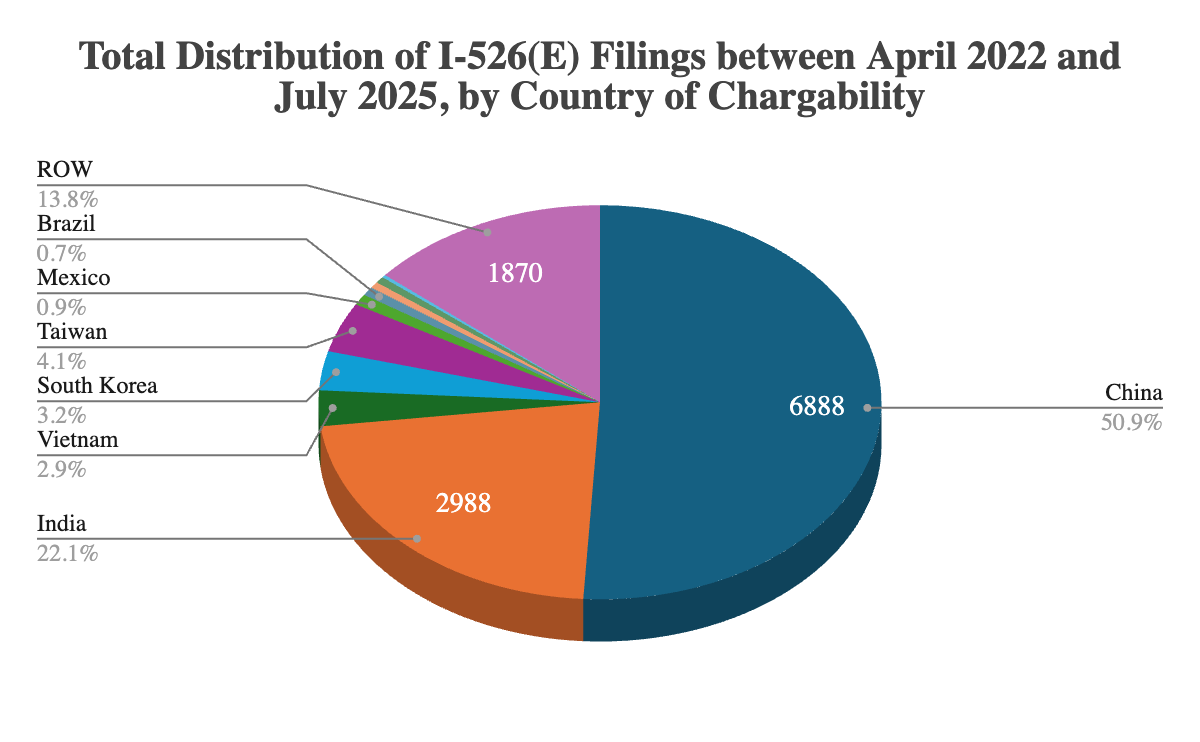
Chuỗi bài viết về Đạo luật Tự do Thông tin (FOIA) của AIIA: Số liệu thống kê cập nhật về hồ sơ I-526E tháng 7 năm 2025
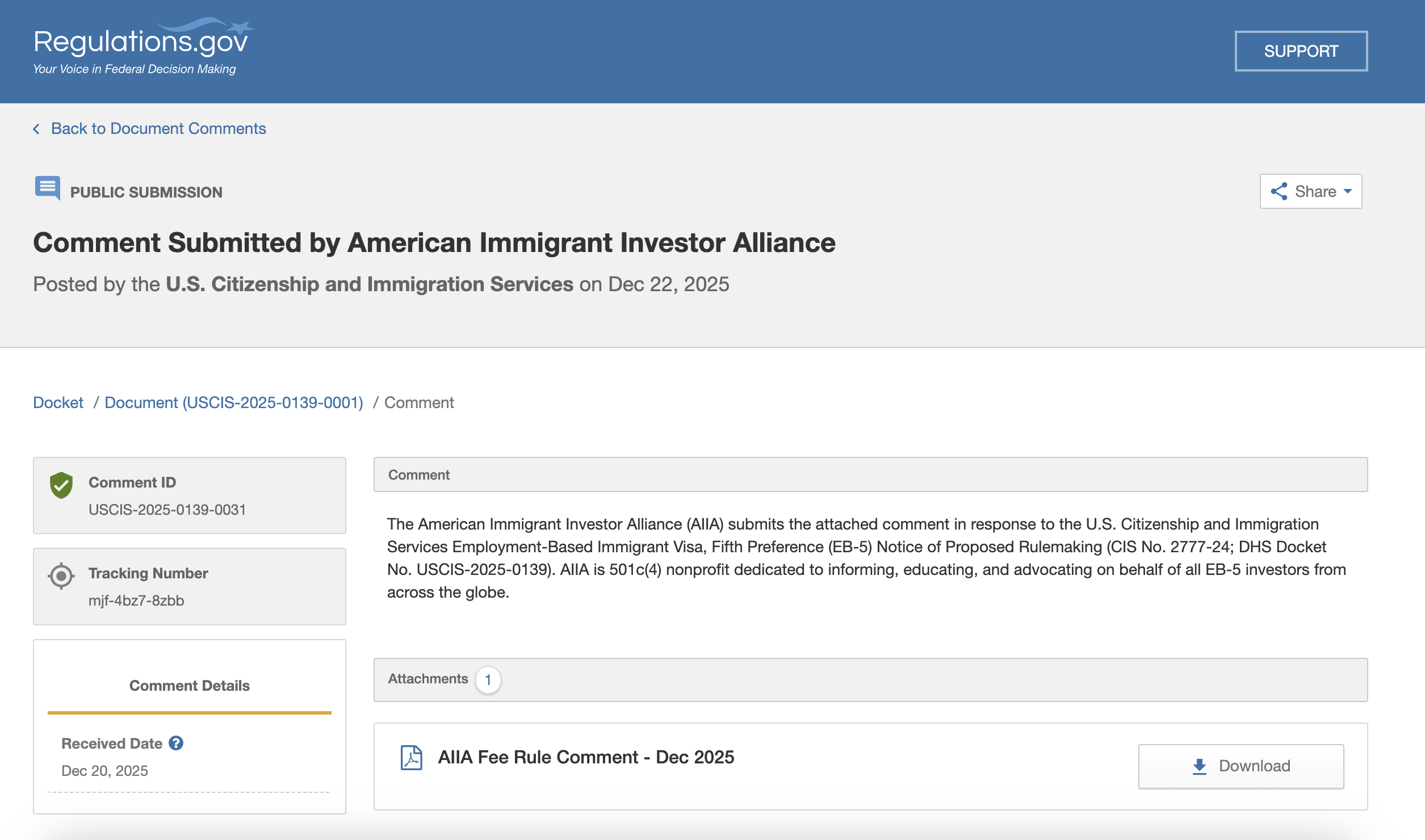
Hiệp hội Đầu tư Nước ngoài Hoa Kỳ (AIIA) gửi ý kiến đóng góp về Dự thảo Quy định (NPRM) của Sở Di trú và Nhập tịch Hoa Kỳ (USCIS) liên quan đến quy định cập nhật về lệ phí EB-5
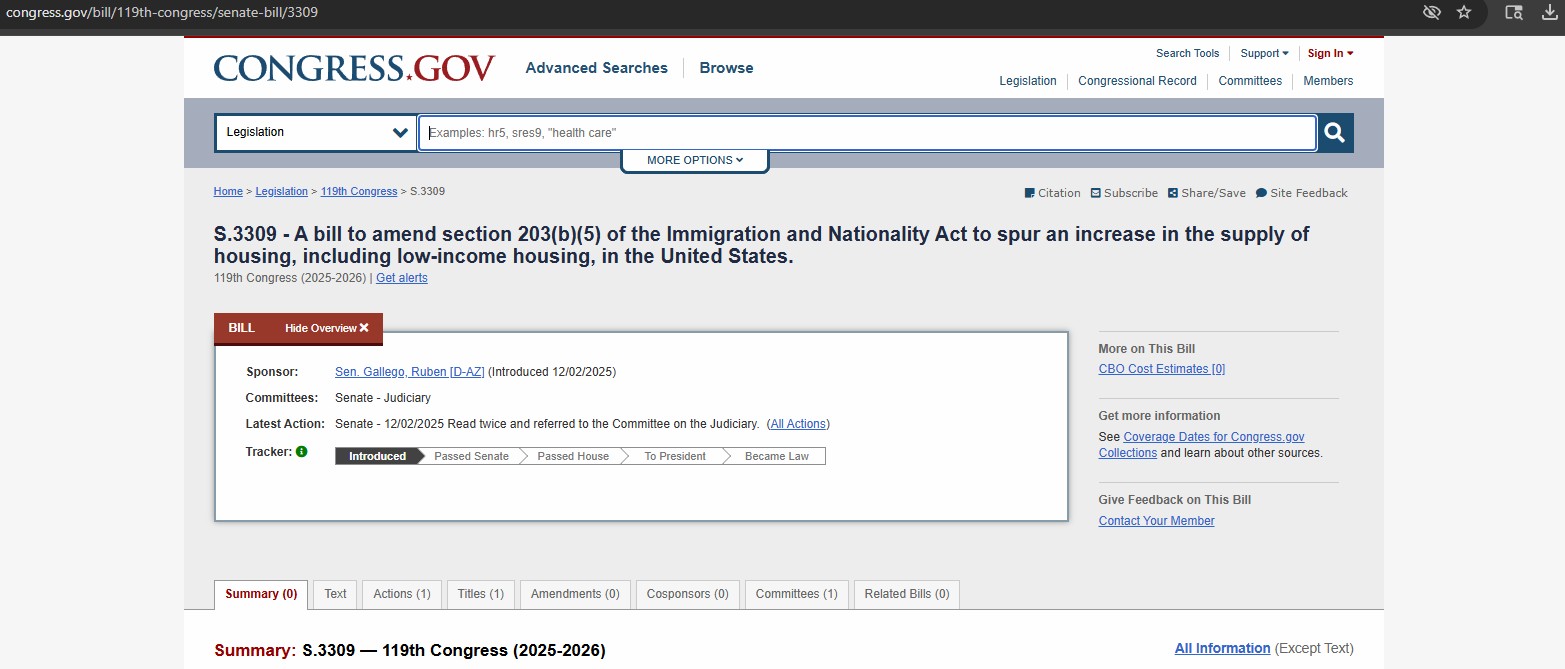
Chúng tôi xin chúc mừng Thượng nghị sĩ Gallego về dự luật mới tận dụng Chương trình EB-5 để xây dựng nhà ở giá rẻ.

Chúng tôi đã thắng kiện vụ kiện về việc tăng phí EB-5.

Danh bạ các chuyên gia
AIIA đã tuyển chọn một danh sách các chuyên gia hàng đầu, bao gồm luật sư, chuyên gia đầu tư và người viết kế hoạch kinh doanh, để hỗ trợ tất cả các bên liên quan đến chương trình EB-5.
Xem Danh bạ Chuyên giaBài viết liên quan
Chuỗi bài viết về Đạo luật Tự do Thông tin (FOIA) của AIIA: Số liệu thống kê cập nhật về hồ sơ I-526E tháng 7 năm 2025
Hiệp hội Đầu tư Nước ngoài Hoa Kỳ (AIIA) gửi ý kiến đóng góp về Dự thảo Quy định (NPRM) của Sở Di trú và Nhập tịch Hoa Kỳ (USCIS) liên quan đến quy định cập nhật về lệ phí EB-5
Chúng tôi xin chúc mừng Thượng nghị sĩ Gallego về dự luật mới tận dụng Chương trình EB-5 để xây dựng nhà ở giá rẻ.
Chúng tôi đã thắng kiện vụ kiện về việc tăng phí EB-5.

Cập nhật thông tin mới nhất từ AIIA
Đăng ký nhận bản tin của chúng tôi để cập nhật thông tin mới nhất về chương trình EB-5.
Bằng cách đăng ký, bạn đồng ý với Chính sách Bảo mật của chúng tôi và đồng ý nhận các cập nhật từ công ty chúng tôi.
Nguồn tài liệu được khuyến nghị

Vấn đề về việc hết hạn tuổi trong chương trình EB-5
Luật Bảo vệ Tuổi của Trẻ em (CSPA) giúp giữ nguyên tuổi của trẻ em trong các đơn xin visa EB-5, nhưng tình trạng ùn tắc visa kéo dài vẫn tiềm ẩn rủi ro...
Đọc thêm
Việc bán các đợt chào bán chứng khoán EB-5
Bán chứng khoán EB-5 thường sử dụng các quy định miễn trừ theo Quy định D (nhà đầu tư Mỹ) và Quy định S (nhà đầu tư nước ngoài) để tránh đăng ký với Ủy ban Chứng khoán và Giao dịch Hoa Kỳ (SEC) trong khi...
Đọc thêm
Lựa chọn giữa tài trợ EB-5 trực tiếp và thông qua Trung tâm Khu vực
Chương trình EB-5 trực tiếp dành cho các nhà đầu tư cá nhân tạo ra việc làm trực tiếp; Chương trình EB-5 Trung tâm Khu vực tập hợp nhiều nhà đầu tư, tính cả việc làm trực tiếp và gián tiếp cho...
Đọc thêmBài viết mới nhất trên blog
Chuỗi bài viết về Đạo luật Tự do Thông tin (FOIA) của AIIA: Số liệu thống kê cập nhật về hồ sơ I-526E tháng 7 năm 2025
AIIA đã thu thập được dữ liệu mới theo Đạo luật Tự do Thông tin (FOIA) tính đến ngày 31 tháng 7 năm 2025, tiết lộ cách USCIS thực sự xử lý các đơn xin EB-5, cho thấy việc ưu tiên xử lý rất cao...
Tìm hiểu thêmHiệp hội Đầu tư Nước ngoài Hoa Kỳ (AIIA) gửi ý kiến đóng góp về Dự thảo Quy định (NPRM) của Sở Di trú và Nhập tịch Hoa Kỳ (USCIS) liên quan đến quy định cập nhật về lệ phí EB-5
AIIA đã gửi ý kiến đóng góp về Dự thảo Quy định về Phí EB-5 tháng 10 năm 2025 của USCIS, trong đó ủng hộ mức phí được điều chỉnh và hợp pháp, nhưng đồng thời kêu gọi hoàn trả số tiền đã nộp thừa...
Tìm hiểu thêmChúng tôi xin chúc mừng Thượng nghị sĩ Gallego về dự luật mới tận dụng Chương trình EB-5 để xây dựng nhà ở giá rẻ.
Dự luật EB-5 của Thượng nghị sĩ Gallego huy động vốn nước ngoài để xây dựng nhà ở giá rẻ. Sự hợp tác này đã củng cố mối quan hệ và uy tín của AIIA với Quốc hội...
Tìm hiểu thêmChúng tôi đã thắng kiện vụ kiện về việc tăng phí EB-5.
AIIA đã thắng kiện thành công trong vụ kiện chống lại việc tăng phí EB-5 của USCIS vào tháng 4 năm 2024, với phán quyết của một thẩm phán liên bang rằng cơ quan này...
Tìm hiểu thêmLiên hệ với chúng tôi
Nếu quý vị có bất kỳ câu hỏi, thắc mắc hoặc đề xuất hợp tác nào, xin vui lòng liên hệ với chúng tôi mà không ngần ngại.
 Vietnamese
  English
  Chinese
Phản hồi (0)