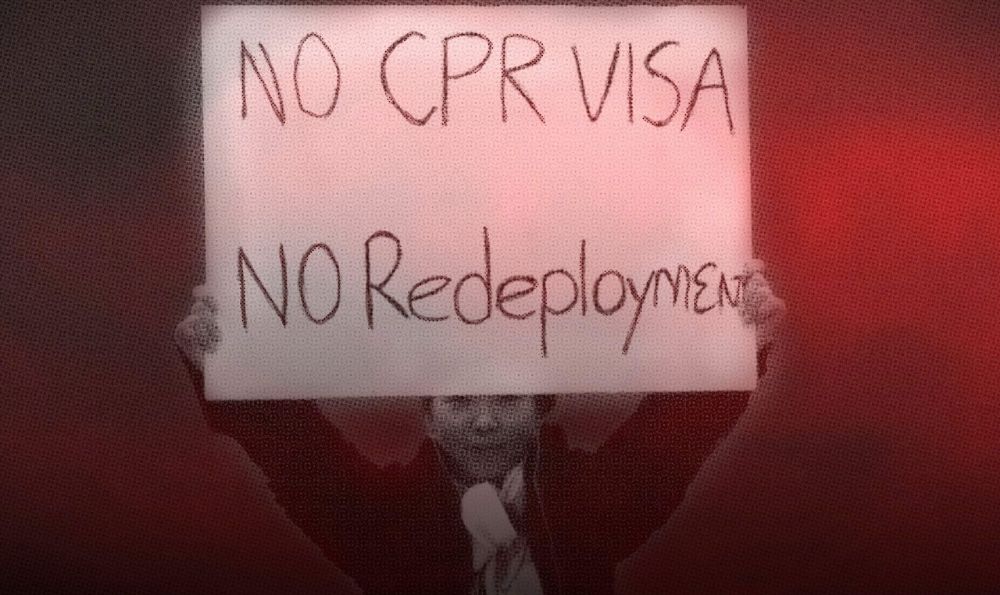
Cơn ác mộng của việc tái triển khai
Tóm tắt về vấn đề tái đầu tư EB-5, trong đó nêu rõ rằng các nhà đầu tư EB-5 phải duy trì khoản đầu tư của mình trong một khoảng thời gian nhất định. Điều này có thể gây khó khăn cho các nhà đầu tư vì thời gian xử lý đơn xin EB-5 có thể rất lâu. AIIA đang vận động để thay đổi chính sách tái đầu tư nhằm mang lại lợi ích cho các nhà đầu tư.
Dự án FOIA của AIIA: Cập nhật thống kê kho hàng I-526E cho tháng 1 năm 2025
Dữ liệu FOIA của USCIS do AIIA thu thập cho thấy nhu cầu EB-5 sau RIA vượt xa giới hạn visa hàng năm—khoảng 10 lần đối với khu vực có tỷ lệ thất nghiệp cao và 4 lần đối với khu vực nông thôn—gây ra thời gian chờ đợi tiềm năng kéo dài, đặc biệt là đối với Trung Quốc và Ấn Độ. Chúng tôi kêu gọi quý vị xem xét đóng góp để duy trì các vụ kiện FOIA và hoạt động vận động cho tính minh bạch của nhà đầu tư.
Chúng tôi đã thắng kiện vụ kiện về việc tăng phí EB-5.
AIIA đã thắng kiện thành công trong vụ kiện chống lại việc tăng phí EB-5 của USCIS vào tháng 4 năm 2024, với phán quyết của một thẩm phán liên bang cho rằng cơ quan này đã tăng phí một cách trái pháp luật mà không tiến hành nghiên cứu phí bắt buộc và hành động tùy tiện theo Đạo luật Quản lý Hành chính (APA); các mức phí cũ, thấp hơn hiện đã có hiệu lực trở lại trong khi vụ kiện vẫn tiếp tục, và AIIA đang xem xét khả năng khởi kiện tập thể để đòi lại tiền cho các nhà đầu tư và trung tâm khu vực đã trả mức phí cao hơn.
Bài viết mới nhất
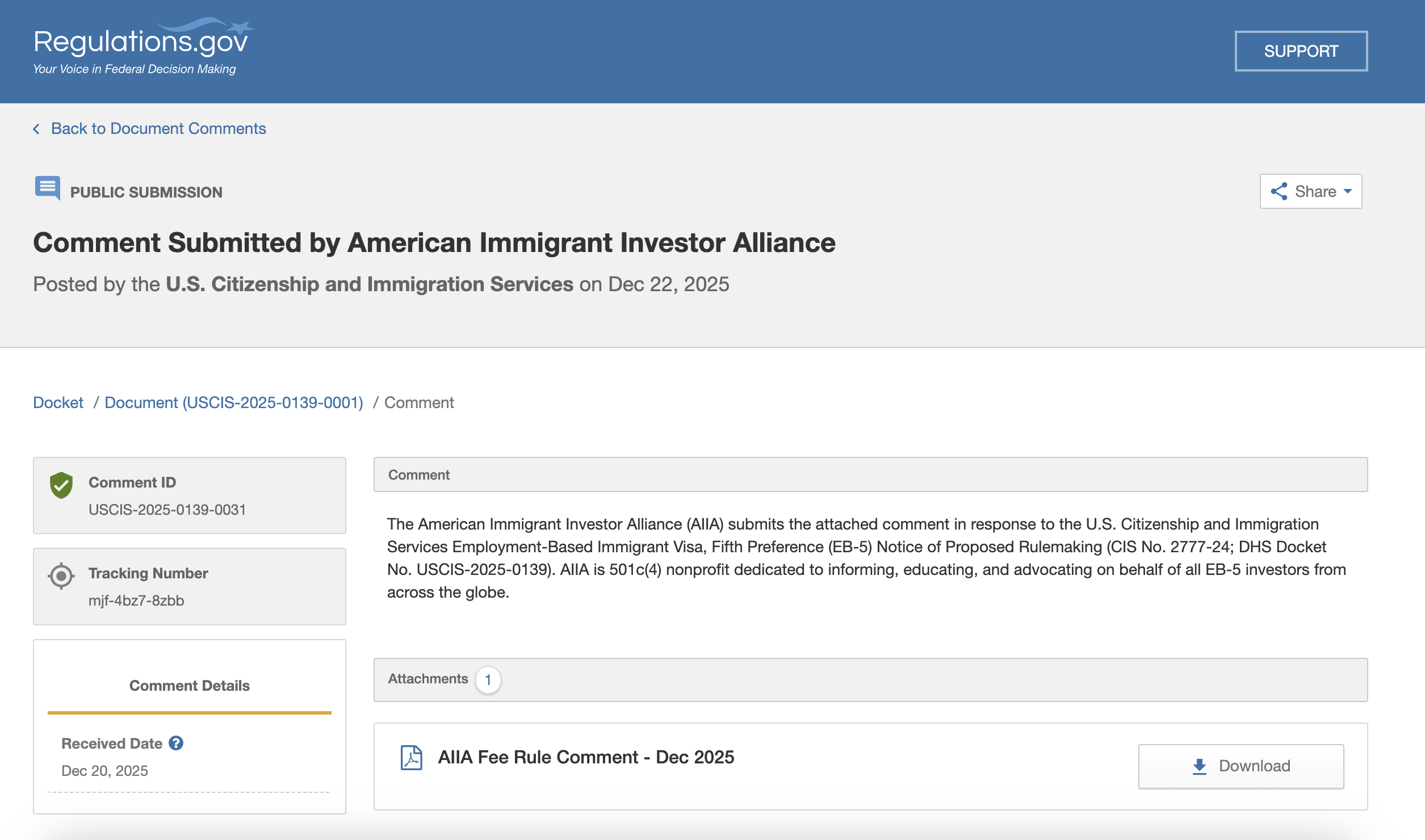
AIIA Submits Comments on USCIS NPRM on Updated EB-5 Fee Rule
AIIA submitted comments on USCIS’s October 2025 EB-5 fee NPRM supporting revised, lawful fee levels but urging refunds for overpaid 2024 fees, codification of RIA processing timelines, transparency around the new technology fee, investor-protective implementation of new Form I-527, tiered fees to preserve market choice, and technical fixes for derivative investors.
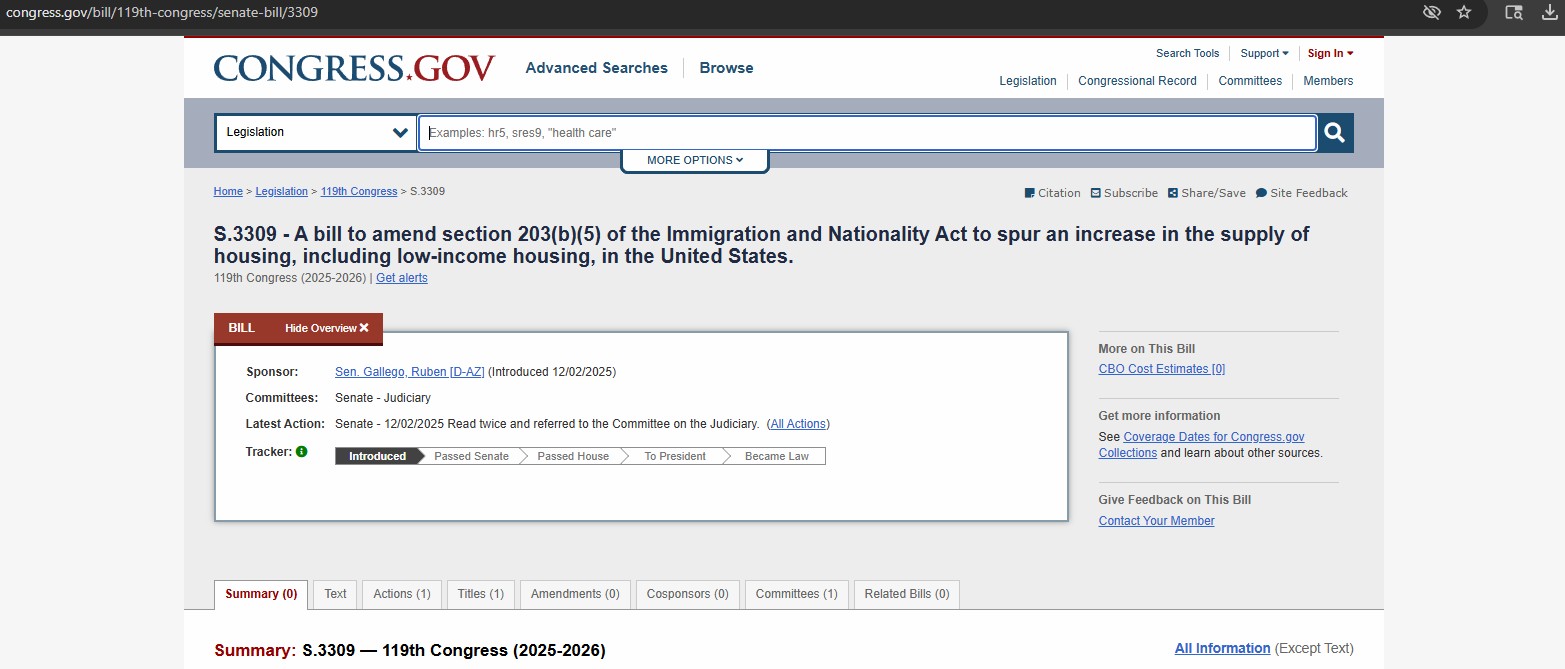
Chúng tôi xin chúc mừng Thượng nghị sĩ Gallego về dự luật mới tận dụng Chương trình EB-5 để xây dựng nhà ở giá rẻ.
Dự luật EB-5 của Thượng nghị sĩ Gallego huy động vốn nước ngoài để xây dựng nhà ở giá rẻ. Sự hợp tác này đã củng cố mối quan hệ và uy tín của AIIA với Quốc hội trong lĩnh vực này.

Còn một năm nữa để đầu tư vào dự án Trung tâm Khu vực EB-5.
AIIA cảnh báo rằng các nhà đầu tư vào Trung tâm Khu vực EB-5 sẽ mất quyền bảo vệ sau ngày 30/9/2026 trừ khi họ nộp đơn I-526E trước thời hạn đó, vì chương trình có thể hết hạn lần nữa vào năm 2027 trong bối cảnh chính quyền đang thúc đẩy chương trình “Thẻ Vàng” $1M cạnh tranh. AIIA—đơn vị sáng lập cơ chế miễn trừ cho chương trình EB-5—kêu gọi các nhà đầu tư và tổ chức phát hành hành động ngay lập tức và tiếp tục vận động cho việc gia hạn bảo vệ nếu Quốc hội không gia hạn chương trình.
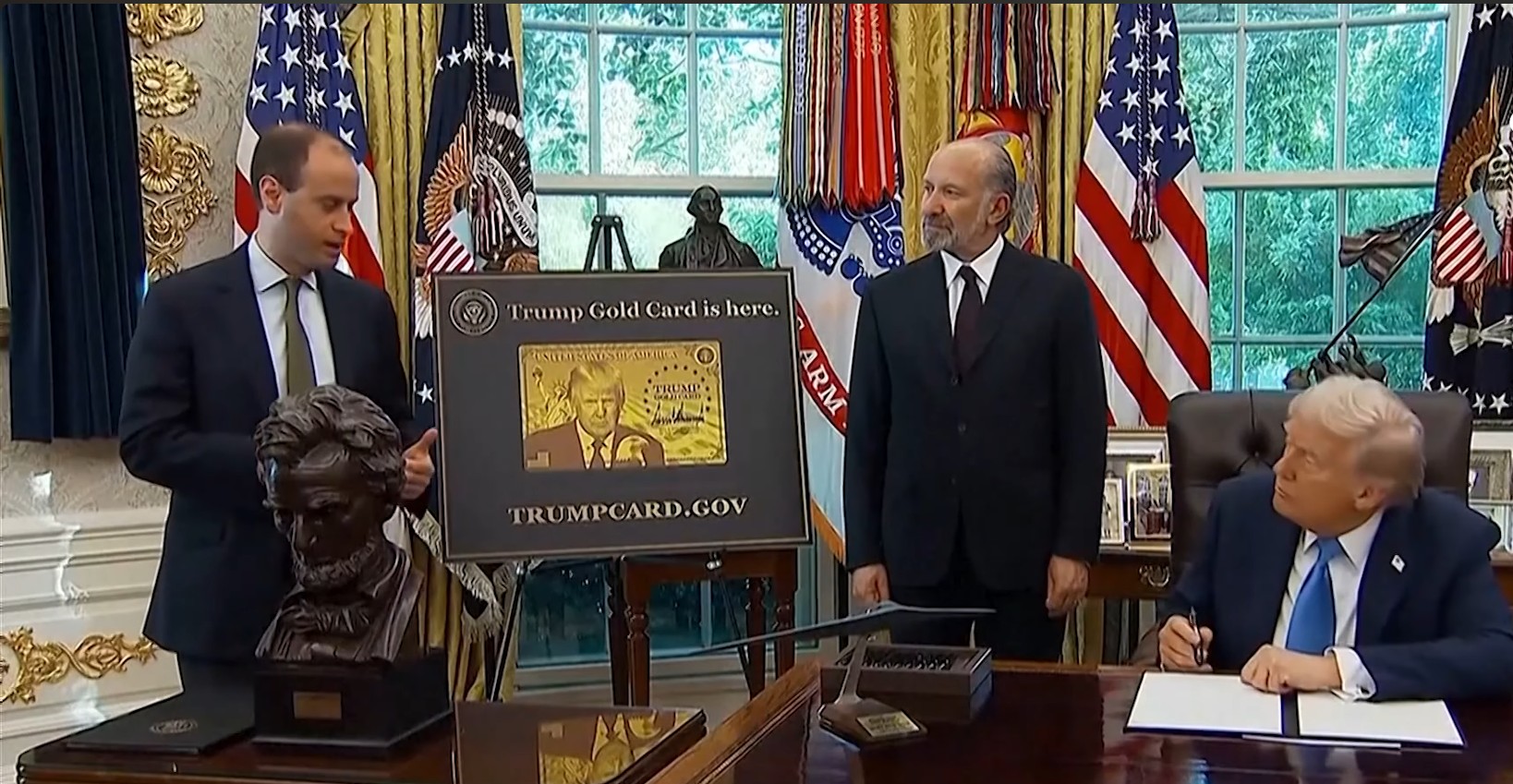
Thẻ Vàng Trump: Một con đường mới để có Thẻ Xanh cạnh tranh với chương trình EB-5
Kế hoạch thị thực “Thẻ Vàng” $1M mới của Trump cạnh tranh trực tiếp với chương trình EB-5 và gây ra những lo ngại pháp lý nghiêm trọng, vì nó thiếu cơ sở pháp lý và tái diễn giải các hạng mục EB-1/EB-2 theo cách có thể bị tòa án bác bỏ; khác với EB-5, nguồn vốn từ Thẻ Vàng được chuyển trực tiếp vào Kho bạc Hoa Kỳ, cho thấy sự chuyển hướng từ đầu tư tư nhân tạo việc làm sang thu nhập cho chính phủ và gây rủi ro cho việc gia hạn EB-5 vào năm 2027.

Cập nhật tháng 8 năm 2025 về vụ kiện liên quan đến giai đoạn duy trì – Những việc nhà đầu tư EB-5 cần thực hiện
AIIA đã phản đối vụ kiện của IIUSA nhằm kéo dài thời gian duy trì chương trình EB-5, bằng cách nộp một bản kiến nghị của bên thứ ba (amicus brief), giúp Tòa án của Thẩm phán Reyes ra phán quyết xác nhận quy định hai năm rủi ro của RIA đối với các nhà đầu tư sau RIA. USCIS hiện sẽ soạn thảo các quy định chính thức, và AIIA dự định huy động các nhà đầu tư trong giai đoạn lấy ý kiến công khai để bảo vệ cách giải thích này khỏi sự phản đối từ ngành công nghiệp.

Cuộc chiến bảo vệ nhà đầu tư EB-5 thiện chí
RIA được thiết kế để bảo vệ các nhà đầu tư EB-5 có thiện chí khi các dự án thất bại do không phải lỗi của họ, nhưng USCIS đã không thực hiện các biện pháp bảo vệ này, dẫn đến các vụ kiện như vụ kiện của Rajvir Batra, đồng sáng lập AIIA, và bảy nhà đầu tư khác. AIIA ủng hộ các hành động pháp lý này để đảm bảo thông báo kịp thời, thời gian khắc phục 180 ngày và duy trì tình trạng nhập cư của các nhà đầu tư.
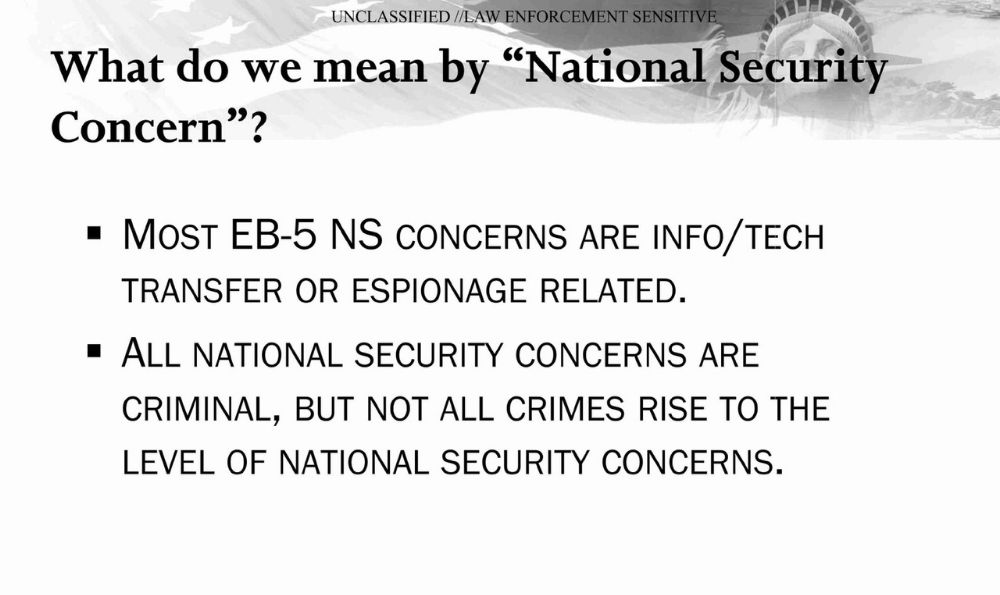
Dự án AIIA FOIA: Tiêu chuẩn xét duyệt bí mật của USCIS – Kiểm tra an ninh quốc gia
Các thông tin được tiết lộ theo Đạo luật Tự do Thông tin (FOIA) cho thấy Cục Di trú và Nhập tịch Hoa Kỳ (USCIS) sử dụng các tiêu chí “an ninh quốc gia” mập mờ và thường mang tính chủ quan - đặc biệt đối với nhà đầu tư từ các quốc gia được coi là có rủi ro cao như Trung Quốc - để đánh dấu các trường hợp EB-5 cần xem xét kéo dài hoặc từ chối. Các tiêu chí này bao gồm từ mối quan hệ với quân đội đến việc liên kết với một số trường đại học cụ thể. Các cuộc xem xét này có thể diễn ra ở bất kỳ giai đoạn nào và gây ra sự chậm trễ kéo dài nhiều năm trừ khi được giải quyết thông qua kiện tụng hoặc can thiệp chính trị.
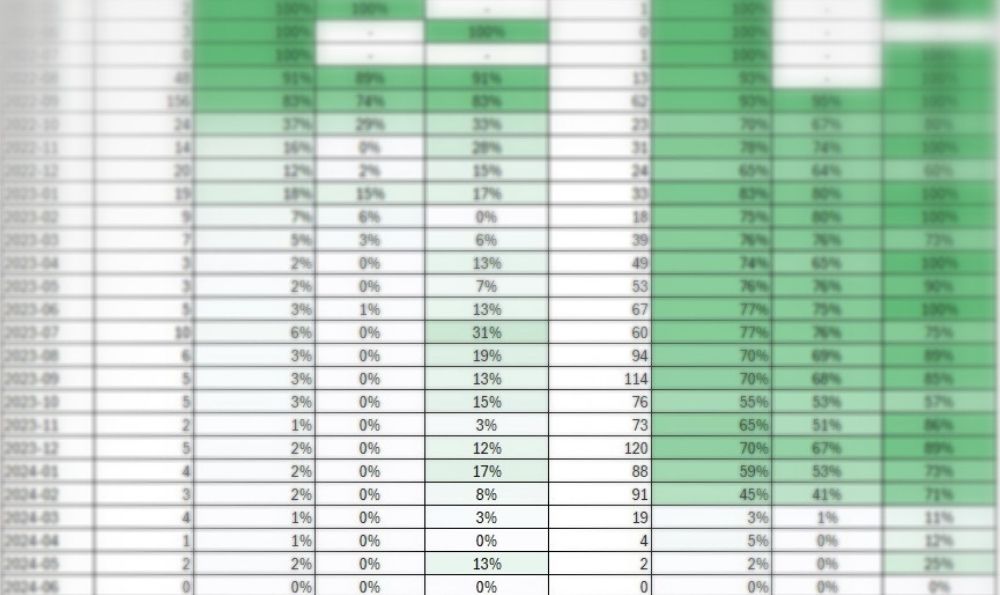
Dự án AIIA FOIA: Thống kê sau khi phê duyệt đơn kiến nghị RIA cho tháng 1 năm 2025
Dữ liệu FOIA của USCIS cho thấy việc xét duyệt đơn EB-5 sau RIA diễn ra chậm chạp, với các trường hợp ở khu vực nông thôn được xử lý nhanh hơn so với các trường hợp ở khu vực có tỷ lệ thất nghiệp cao, nhưng cả hai đều chưa thể giải quyết hết tồn đọng—nghĩa là thời gian chờ đợi sẽ kéo dài, đặc biệt đối với các nhà đầu tư HUA.

IIUSA không đạt được thỏa thuận với USCIS về thời gian duy trì.
AIIA đang phản đối vụ kiện của IIUSA có thể kéo dài thời gian duy trì chương trình EB-5 cho các nhà đầu tư sau RIA, làm suy yếu quy định 2 năm do Quốc hội ban hành. Một phiên điều trần gần đây đã diễn ra không thuận lợi cho phía chúng tôi, và mặc dù các quy định hiện hành vẫn có hiệu lực cho đến nay, một thỏa thuận hoặc phán quyết của tòa án có thể quay trở lại các khung thời gian có hại trước RIA, vì vậy AIIA đang chuẩn bị các hành động pháp lý và vận động để bảo vệ tất cả các nhà đầu tư.
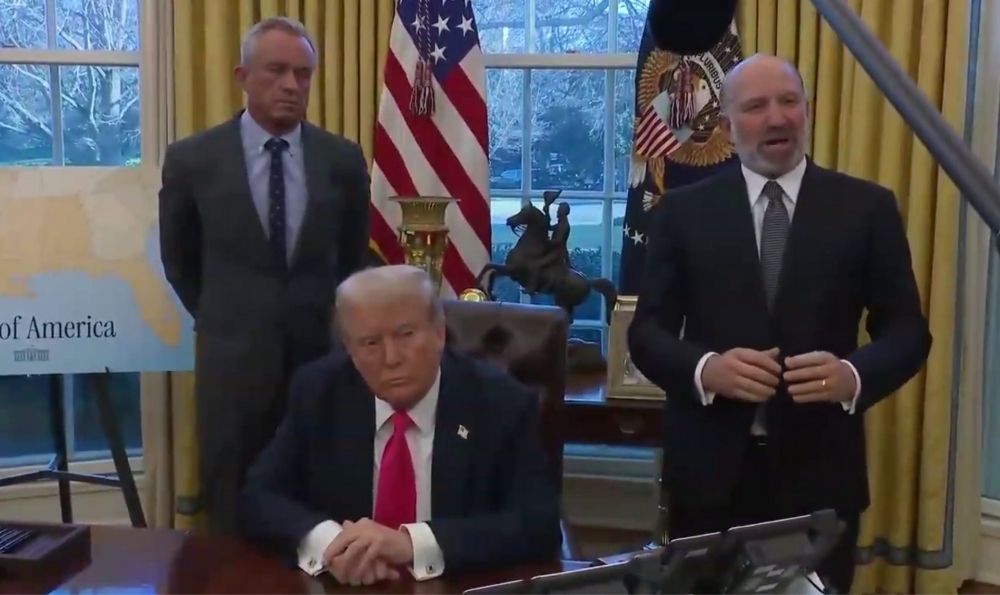
Sự mong muốn của Trump trong việc thay thế Chương trình EB-5 hiện tại
Ông Trump đã công bố visa “Thẻ Vàng” $5M để thay thế chương trình EB-5, nhưng chỉ Quốc hội mới có thể bãi bỏ chương trình EB-5, vốn được ủy quyền đến năm 2027 với các biện pháp bảo vệ nhà đầu tư mạnh mẽ. Hiệp hội Đầu tư và Định cư Hoa Kỳ (AIIA) sẽ đấu tranh chống lại bất kỳ nỗ lực bất hợp pháp nào nhằm gây hại cho chương trình EB-5 và khuyến khích các nhà đầu tư giữ vững niềm tin trong khi chuẩn bị cho các hoạt động vận động chính sách trong tương lai.
Cập nhật về vụ kiện về việc duy trì giữa IIUSA và USCIS
Ngày 28 tháng 1 năm 2025, phiên tòa xét xử vụ IIUSA kiện USCIS đã đặt ra nghi vấn về cách giải thích của DHS về quy định duy trì trong hai năm, đe dọa việc quay trở lại các quy tắc trước RIA với thời gian đầu tư dài hơn và rủi ro tái đầu tư. AIIA đang phản kháng bằng các biện pháp pháp lý và cần sự ủng hộ của quý vị để bảo vệ các nhà đầu tư EB-5.

Dự án FOIA của AIIA: Cập nhật thống kê kho hàng I-526E cho tháng 7 năm 2024
AIIA đã nộp các yêu cầu theo Đạo luật Tự do Thông tin (FOIA) tới USCIS để yêu cầu dữ liệu về các đơn I-526 và I-526E, cho thấy xu hướng từ tháng 4 năm 2022 đến tháng 7 năm 2024. Dữ liệu cho thấy nhu cầu tăng cao đối với các visa TEA ở khu vực có tỷ lệ thất nghiệp cao và vùng nông thôn, với thời gian chờ đợi kéo dài do số lượng visa hàng năm có hạn. Tình trạng ùn tắc đặc biệt đáng lo ngại đối với các ứng viên đến từ Trung Quốc và Ấn Độ.
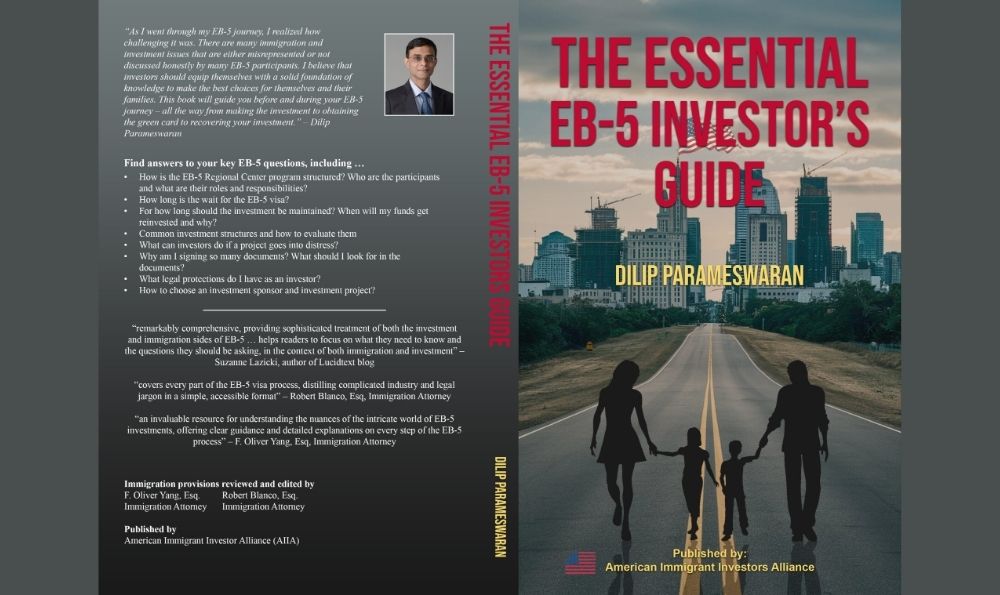
Thông báo về việc xuất bản cuốn "Hướng dẫn đầu tư EB-5 thiết yếu" do Dilip Parameswaran biên soạn.
AIIA hân hạnh giới thiệu cuốn "The Essential EB-5 Investor’s Guide" của Dilip Parameswaran, một chuyên gia ngân hàng đầu tư dày dặn kinh nghiệm đã thành công trong việc hướng dẫn quy trình EB-5. Cuốn sách này cung cấp những thông tin quan trọng về các khía cạnh di trú và đầu tư của chương trình EB-5, với sự đóng góp chuyên môn từ các luật sư EB-5. Cuốn sách có sẵn trên Amazon dưới cả hai định dạng điện tử và bìa mềm, là tài liệu tham khảo thiết yếu cho các nhà đầu tư EB-5 hiện tại và tiềm năng.

Dự án AIIA FOIA: Dữ liệu I-526 trước khi đánh giá tác động quy định (RIA) tính đến tháng 7 năm 2024
Các yêu cầu FOIA gần đây của AIIA đã tiết lộ dữ liệu chi tiết về các đơn xin EB-5 I-526 đang chờ xử lý tính đến tháng 7 năm 2024, nhấn mạnh tình trạng ùn tắc của các nhà đầu tư trước RIA, đặc biệt là từ Trung Quốc, Ấn Độ và phần còn lại của thế giới. Dữ liệu này nhấn mạnh thời gian chờ đợi đáng kể đối với các nhà đầu tư trước RIA, đồng thời cũng cho thấy tình trạng ùn tắc ngày càng gia tăng đối với các nhà đầu tư sau RIA, đặc biệt là từ Trung Quốc, nơi có thể không đủ visa để giải quyết tình trạng ùn tắc này cho đến năm 2030.

Tòa án phán quyết chống lại các trung tâm khu vực trong vụ kiện về việc gia hạn visa.
Một phán quyết của tòa án đã chặn nỗ lực của IIUSA trong việc ngăn chặn việc chuyển đổi các visa EB-5 chưa sử dụng từ danh mục dành riêng sang danh mục không dành riêng, đảm bảo có thêm visa cho các nhà đầu tư trước RIA, đặc biệt là những người đến từ Trung Quốc và Ấn Độ, từ đó giảm thời gian chờ đợi của họ. Quyết định này duy trì hiện trạng, mang lại lợi ích cho các nhà đầu tư trước RIA đồng thời duy trì khả năng tồn đọng cho các nhà đầu tư sau RIA trong danh mục dành riêng, và AIIA tiếp tục theo dõi vụ việc và bảo vệ quyền lợi của nhà đầu tư.
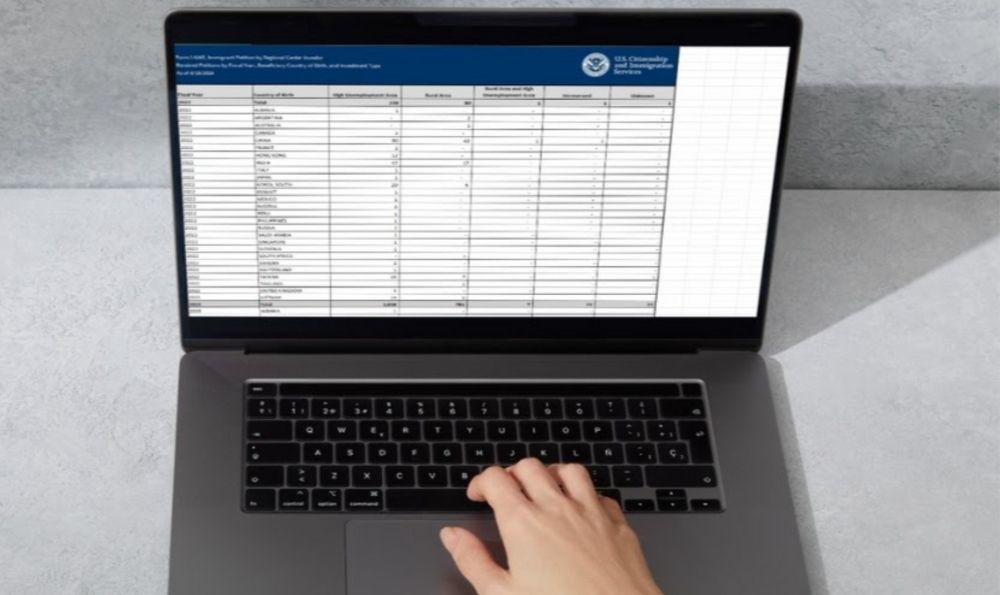
Tổng quan về thống kê I-526E cho tháng 3 năm 2024
Yêu cầu truy cập thông tin theo Đạo luật Tự do Thông tin (FOIA) gần đây của AIIA đã tiết lộ xu hướng nộp đơn xin thị thực EB-5 từ tháng 4 năm 2022 đến đầu năm 2024, cho thấy nhu cầu mạnh mẽ từ Trung Quốc và Ấn Độ, cùng với sự quan tâm ngày càng tăng từ Mỹ Latinh và Châu Âu. Dữ liệu nhấn mạnh sự mất cân bằng, với số đơn xin thị thực EB-5 tại các khu vực có tỷ lệ thất nghiệp cao vượt qua số đơn xin thị thực EB-5 tại các khu vực nông thôn, đặc biệt là tại Colombia và Châu Âu.

IIUSA lại ra tay: Vụ kiện về visa có thể gây hại cho các nhà đầu tư nhập cư
AIIA đang mạnh mẽ phản đối vụ kiện IIUSA v. Blinken, do IIUSA và các trung tâm khu vực khởi xướng, nhằm ngăn chặn việc chuyển đổi các visa EB-5 chưa sử dụng từ danh mục dự trữ sang danh mục không dự trữ, với lập luận rằng điều này gây hại cho các nhà đầu tư trước RIA đang phải đối mặt với tình trạng ùn tắc nghiêm trọng. Trong khi IIUSA cho rằng hành động này sẽ giúp các nhà đầu tư trong danh sách dự trữ, AIIA khẳng định rằng nó sẽ gây hại cho các nhà đầu tư trước RIA bằng cách giảm số lượng visa có sẵn cho những người đã chờ đợi, và cuối cùng, nó nhằm thay đổi chính sách để mang lại lợi ích cho các trung tâm khu vực bằng cách hy sinh lợi ích của cộng đồng nhà đầu tư rộng lớn hơn.

AIIA Tố Cáo Lên Tòa Án Tối Cao: Bản Tuyên Cáo Hỗ Trợ Của Chúng Tôi Trong Vụ Án Bouarfa v. Mayorkas
AIIA đang vận động bảo vệ quyền của các nhà đầu tư nhập cư trong việc khiếu nại các quyết định của USCIS tại tòa án liên bang, đặc biệt là liên quan đến việc hủy bỏ các đơn xin EB-5 đã được phê duyệt, mà USCIS cho rằng không thể bị xem xét lại bởi tòa án. Tòa án Tối cao sẽ xem xét vụ án Bouarfa v. Mayorkas để quyết định liệu các quyết định hủy bỏ này có thể bị kháng cáo hay không, và AIIA đã nộp một bản kiến nghị của bên thứ ba để ủng hộ quyền của các nhà đầu tư trong việc phản đối các quyết định này.

Phân tích vụ kiện giữa IIUSA và USCIS về Thời gian duy trì EB-5 (Phần 2)
Đọc phần 2 của phân tích hai phần của chúng tôi về đơn kiện của IIUSA liên quan đến việc duy trì chương trình, trong đó chúng tôi giải thích tại sao chúng tôi cho rằng lập luận của họ là không hợp lý, và những gì chúng tôi dự định làm để đảm bảo quyền lợi của các nhà đầu tư EB-5 được bảo vệ trong quá trình này.

Phân tích vụ kiện giữa IIUSA và USCIS về Thời gian duy trì EB-5 (Phần 1)
Đọc phần 1 của phân tích hai phần của chúng tôi về đơn kiện của IIUSA liên quan đến việc duy trì chương trình, trong đó chúng tôi giải thích tại sao chúng tôi cho rằng lập luận của họ là không hợp lý, và những gì chúng tôi dự định làm để đảm bảo quyền lợi của các nhà đầu tư EB-5 được bảo vệ trong quá trình này.

Các Trung tâm Khu vực đã nộp đơn kiện để khôi phục các quy định về thời gian duy trì cho các nhà đầu tư sau RIA.
Hiệp hội Đầu tư vào Hoa Kỳ (IIUSA), một tổ chức đại diện cho một số trung tâm khu vực EB-5, vừa nộp đơn kiện chống lại Cục Di trú và Nhập tịch Hoa Kỳ (USCIS) liên quan đến việc làm rõ về thời gian duy trì mới nhất. Chúng tôi tin rằng vụ kiện này có thể gây ảnh hưởng nghiêm trọng đến lợi ích tài chính của các nhà đầu tư EB-5, hãy đọc bài viết này để tìm hiểu lý do.
Tòa án cho rằng “Không có nguy cơ gây hại cấp bách trong vụ việc tăng phí”, Cuộc chiến vẫn tiếp tục.
Thẩm phán đã từ chối phê duyệt Lệnh Cấm Tạm Thời để ngăn chặn việc tăng phí của USCIS, nhưng cuộc chiến mới chỉ bắt đầu. Hãy đọc blog của chúng tôi để tìm hiểu thêm về cách chúng tôi dự định buộc USCIS phải chịu trách nhiệm.
Hãy giúp chúng tôi tài trợ cho vụ kiện của chúng tôi chống lại USCIS về việc tăng phí EB-5.
USCIS đang đứng trước nguy cơ tăng phí xử lý một cách trái phép đối với nhiều mẫu đơn liên quan đến chương trình EB-5. Hãy ủng hộ nỗ lực của chúng tôi để ngăn chặn USCIS áp đặt gánh nặng tài chính bất công này lên cộng đồng EB-5.
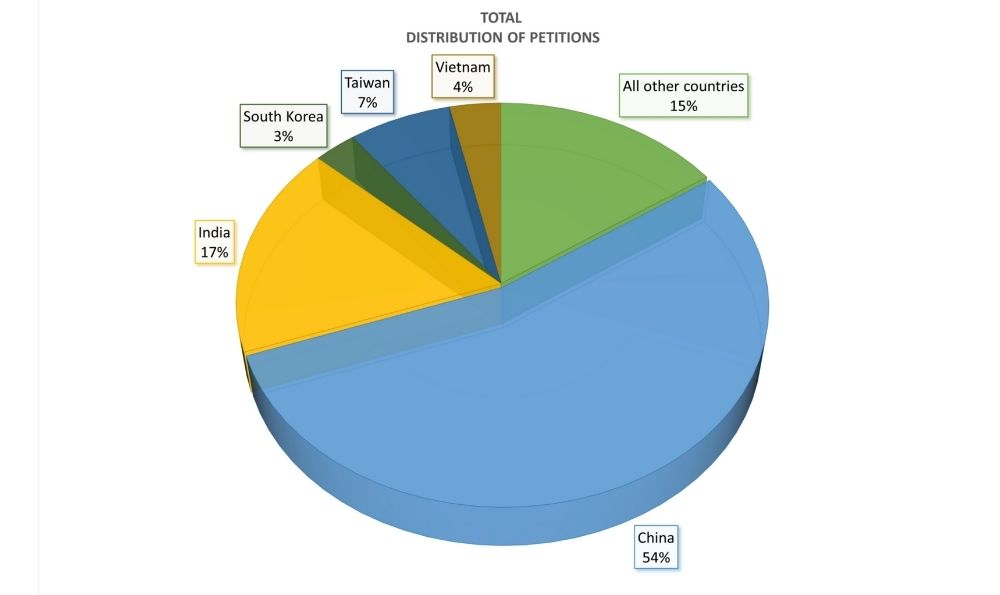
Dự án FOIA của AIIA: Cập nhật thống kê kho hàng I-526E cho năm 2023
AIIA trình bày phân tích dữ liệu chi tiết về ý nghĩa của dữ liệu FOIA mới này đối với các nhà đầu tư sau RIA. Hãy đọc blog của chúng tôi và tham gia webinar thảo luận về dữ liệu này trên YouTube để tìm hiểu thêm.

Cách chuẩn bị tài chính cho đầu tư EB-5 trong khi đang làm việc theo visa H-1B
Trong hướng dẫn này do Vrishin từ CapitalWe và AIIA đồng tác giả, chúng tôi đã tìm hiểu các phương pháp khác nhau mà các nhà đầu tư tiềm năng theo chương trình EB-5 đang sở hữu visa H1-B có thể chuẩn bị tốt nhất cho khoản đầu tư của mình trong tương lai.

Yêu cầu theo Đạo luật Tự do Thông tin (FOIA) về số liệu thống kê cập nhật của I-526E
Trong bài viết này, AIIA phân tích dữ liệu mới nhất về kho hàng I-526E được thu thập từ vụ kiện FOIA trước đó của chúng tôi. Chúng tôi đã tiến hành phân tích sâu về vấn đề "kho hàng ẩn" và nhấn mạnh sự mất cân đối giữa nhu cầu và nguồn cung trong các hạng mục EB-5 dành cho khu vực nông thôn và khu vực có tỷ lệ thất nghiệp cao.
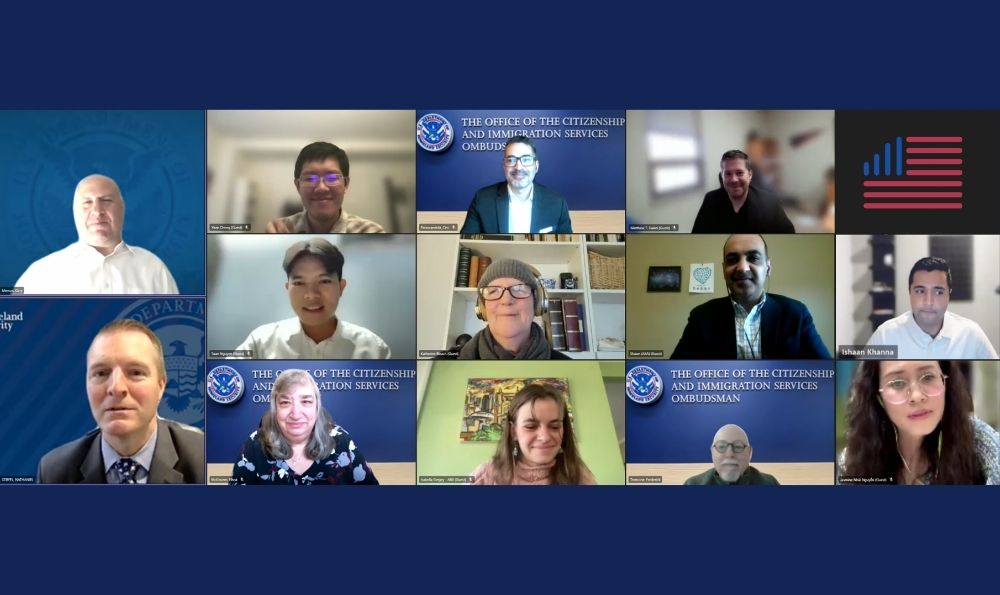
AIIA tổ chức cuộc họp lần thứ hai với Văn phòng Thanh tra viên của CIS.
Cuộc họp thứ hai của AIIA với Thanh tra Dịch vụ Công dân và Di trú (CISOMB) đã thảo luận về các vấn đề như thời gian duy trì, việc hết hạn tuổi, nguồn gốc và đường đi của quỹ, cũng như tính minh bạch với các nhà đầu tư EB-5 về việc tiếp nhận đơn xin và quá trình xét duyệt.
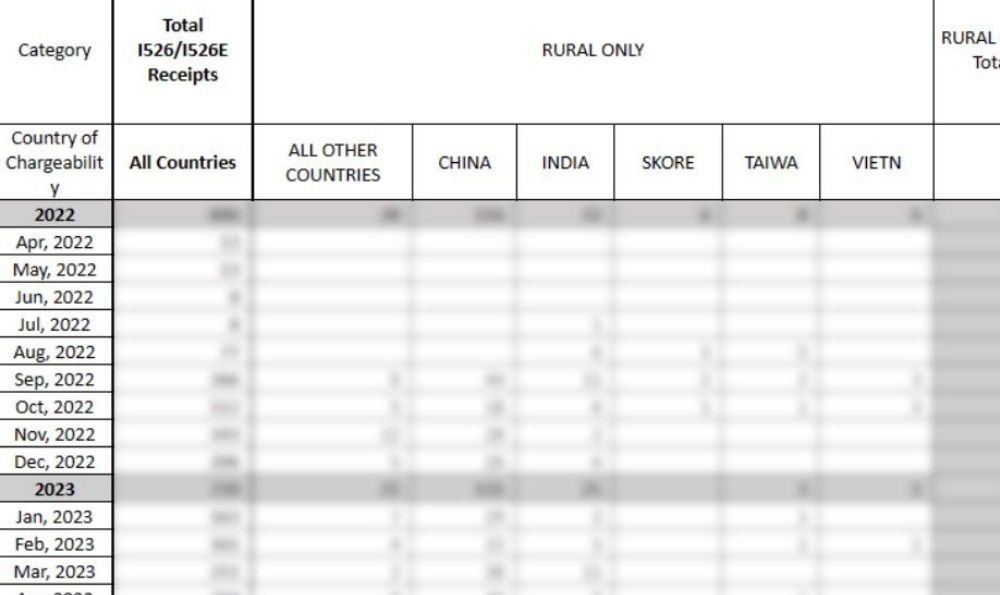
AIIA đã thu thập dữ liệu kho hàng I-526E để đánh giá tình trạng tồn đọng.
AIIA hiện đã có được cái nhìn chưa từng có về danh sách đơn xin I-526(E) được lưu trữ tại USCIS tính đến tháng 4 năm 2023. Dữ liệu này được thu thập thông qua yêu cầu theo Đạo luật Tự do Thông tin (FOIA) và được AIIA khởi kiện. Hiện nay, chúng ta cần tiếp tục đấu tranh cho sự minh bạch và tiếp tục yêu cầu USCIS cung cấp thêm thông tin về danh sách đơn xin EB-5 và tình trạng chậm trễ trong xử lý đơn tại USCIS.
AIIA gặp gỡ với Thanh tra viên của CIS
Đội ngũ AIIA đã tham dự cuộc họp đầu tiên do Văn phòng Thanh tra CIS tổ chức vào ngày 6 tháng 10, nơi đội ngũ đã thảo luận về các vấn đề ảnh hưởng đến cộng đồng nhà đầu tư EB-5. Chủ yếu, sự chậm trễ và thời gian xử lý kéo dài đối với các đơn xin EB-5 là nguyên nhân chính gây ra hầu hết các vấn đề mà nhà đầu tư nhập cư phải đối mặt, dẫn đến sự gia tăng nguy hiểm trong tỷ lệ tái phân bổ, từ chối đơn xin và tình trạng quá tuổi.

Ai là người chịu trách nhiệm về việc chậm trễ trong hồ sơ EB-5 của tôi?
Sự chậm trễ trong quy trình nhập cư EB-5 là vấn đề kéo dài, đã tích tụ thành tình trạng đình trệ trong việc xử lý hồ sơ đối với một số nhà đầu tư EB-5. AIIA đã biên soạn một hướng dẫn để xác định một số nguyên nhân chính gây ra sự chậm trễ này, cũng như giải thích cách chúng ta hiện nay hiểu về quy trình nhập cư EB-5 được thực hiện giữa Bộ An ninh Nội địa (DHS) và Bộ Ngoại giao (DoS).
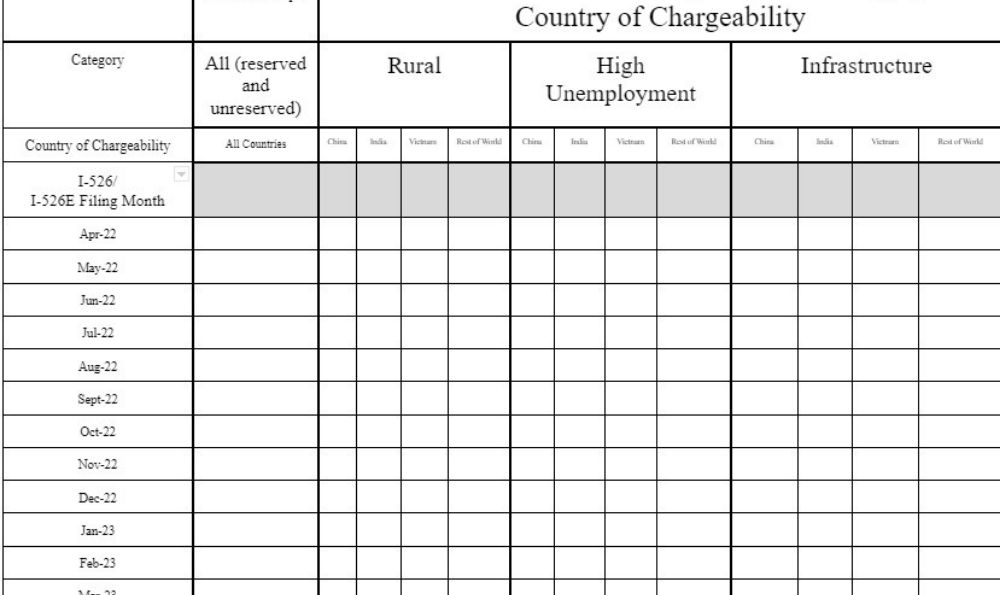
Chúng tôi đang khởi kiện USCIS vì đã không cung cấp dữ liệu kho hàng I-526E.
Vì USCIS một lần nữa không cung cấp cho chúng tôi thông tin phù hợp liên quan đến các yêu cầu FOIA trước đây của chúng tôi, AIIA – hợp tác với Công ty Galati – đang khởi kiện USCIS vì sự thiếu minh bạch này và để ngăn chặn việc hình thành một lượng công việc tồn đọng không thể nhìn thấy trong tương lai gần.

Giải quyết vấn đề ùn tắc visa
Với nhiều vấn đề tồn tại trong quy trình nhập cư của Hoa Kỳ, tình trạng ùn tắc visa đã trở thành mối quan tâm hàng đầu của các nhà đầu tư EB-5 trên toàn thế giới. AIIA phân tích và trình bày các giải pháp cải cách cơ chế được đề xuất để giải quyết tình trạng ùn tắc của chương trình EB-5, dựa trên các tiêu chí về tính khả thi, tính khả thi và tính ưu việt của từng giải pháp. Nếu bất kỳ giải pháp nào trong số này được triển khai trong vòng một năm tới, chương trình EB-5 có thể chứng kiến một sự thay đổi lớn trong việc phê duyệt và xử lý các đơn xin visa.

Đơn kiện đã được nộp liên quan đến Luật Đất đai của Người nước ngoài tại Florida, có thể có tác động đến các nhà đầu tư EB-5.
Chủ nghĩa bài ngoại đã chi phối các văn phòng thống đốc của Florida khi một luật cấm đầu tư và mua bán bất động sản của công dân các “quốc gia quan tâm” được thông qua vào tháng này. Điều mà dự luật này thực sự thể hiện là một nỗ lực phân biệt chủng tộc nhằm vi phạm các quyền hiến pháp của chủ yếu là người nhập cư Trung Quốc đang sinh sống, làm việc và đầu tư tại bang này. AIIA phân tích các rủi ro của các khoản đầu tư EB-5 trong tương lai tại Florida và bất kỳ tác động tiêu cực nào có thể xảy ra đối với hành trình EB-5 của nhà đầu tư.

Người nộp đơn EB-5 trước khi có quyết định của RIA phải chờ bao lâu để được cấp visa?
AIIA sử dụng dữ liệu mà chúng tôi đã thu thập thông qua các chiến dịch FOIA gần đây để cung cấp cho các nhà đầu tư EB-5 một ước tính tổng thể về thời gian chờ đợi dự kiến của các nhà đầu tư EB-5 từ các quốc gia có lượng đơn xin visa tồn đọng, dựa trên xu hướng dữ liệu lịch sử. Với thời gian xử lý đơn xin visa hiện tại của USCIS, triển vọng cho phần lớn các nhà đầu tư EB-5 từ các quốc gia có lượng đơn xin visa tồn đọng là rất u ám, đặc biệt là khi ít có biện pháp nào được thực hiện kể từ khi RIA được thông qua để khắc phục tình trạng thời gian chờ đợi kéo dài.
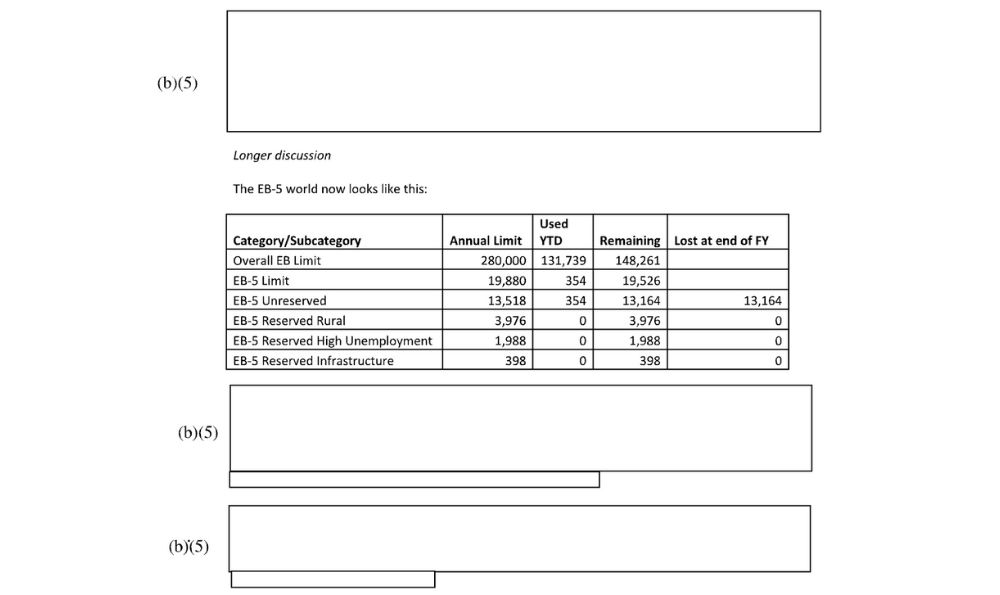
Vấn đề ùn tắc visa EB-5
Trong Phần hai của loạt bài về Tình trạng ùn tắc visa, AIIA phân tích các yếu tố nội tại góp phần gây ra tình trạng ùn tắc visa trong chương trình EB-5. Các yếu tố này bao gồm sự tồn tại của các hạn ngạch quốc gia và các hạng mục EB-5, tốc độ xử lý chậm, và các yếu tố khác.
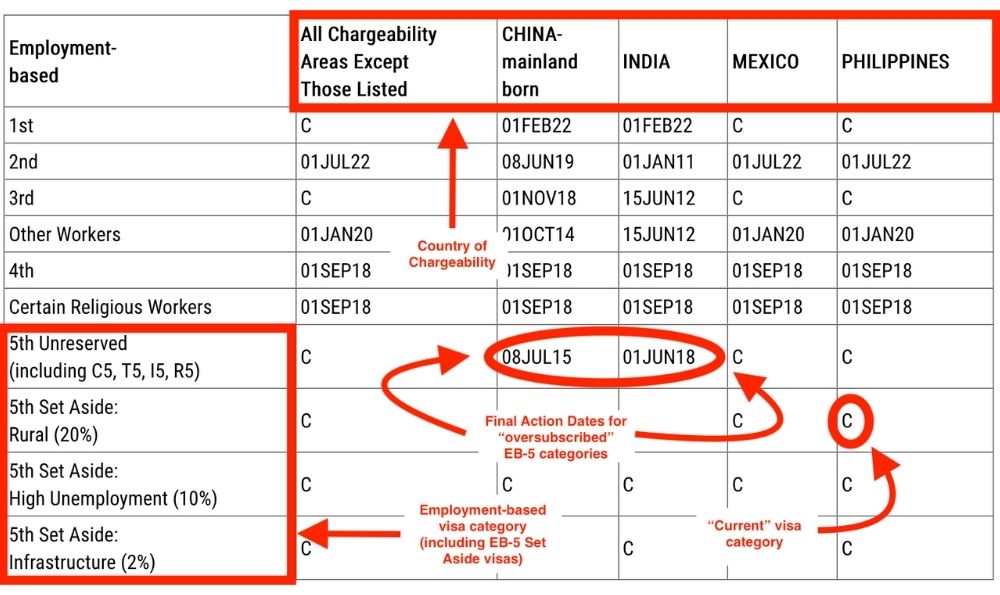
Visa Bulletin hoạt động như thế nào đối với nhà đầu tư EB-5?
Trong phần đầu tiên của loạt bài về tình trạng ùn tắc visa, AIIA cung cấp một giới thiệu tổng quan về chương trình EB-5, cách bản tin visa ảnh hưởng đến chương trình này, cũng như cách nhà đầu tư EB-5 nên hiểu bản tin visa thay vì dựa vào ngày ưu tiên của riêng họ. Thông tin này đặc biệt quan trọng đối với các nhà đầu tư phải đối mặt với tình trạng ùn tắc kéo dài dựa trên quốc gia chịu trách nhiệm của họ.
Vụ kiện FOIA thứ hai nhằm giải quyết việc từ chối đơn kiến nghị.
Vì USCIS đã không cung cấp cho chúng tôi thông tin phù hợp liên quan đến các yêu cầu FOIA trước đây của chúng tôi, AIIA – hợp tác với Công ty Galati – đang khởi kiện USCIS vì sự thiếu minh bạch và không hành động của cơ quan này.
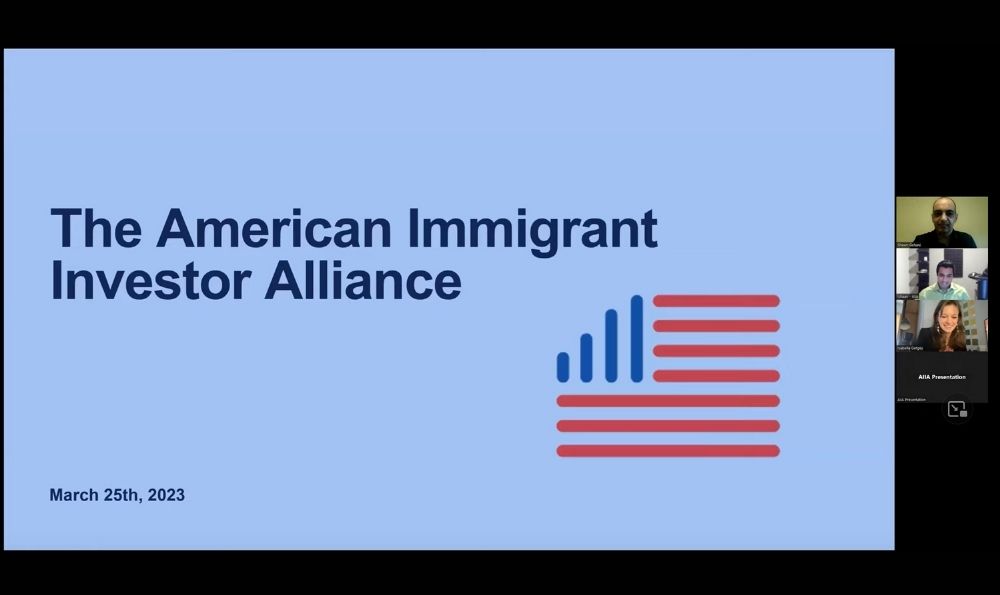
Hội thảo trực tuyến công khai về giai đoạn tiếp theo của các nỗ lực vận động chính sách của AIIA
Xem webinar đầu tiên của AIIA kể từ khi chương trình bị gián đoạn. Trong webinar này, chúng ta đã thảo luận về các vấn đề quan trọng và chưa được giải quyết của chương trình EB-5, bao gồm hiệu quả xử lý, tình trạng ùn tắc visa, việc duy trì và tái triển khai, cũng như sự thiếu minh bạch.
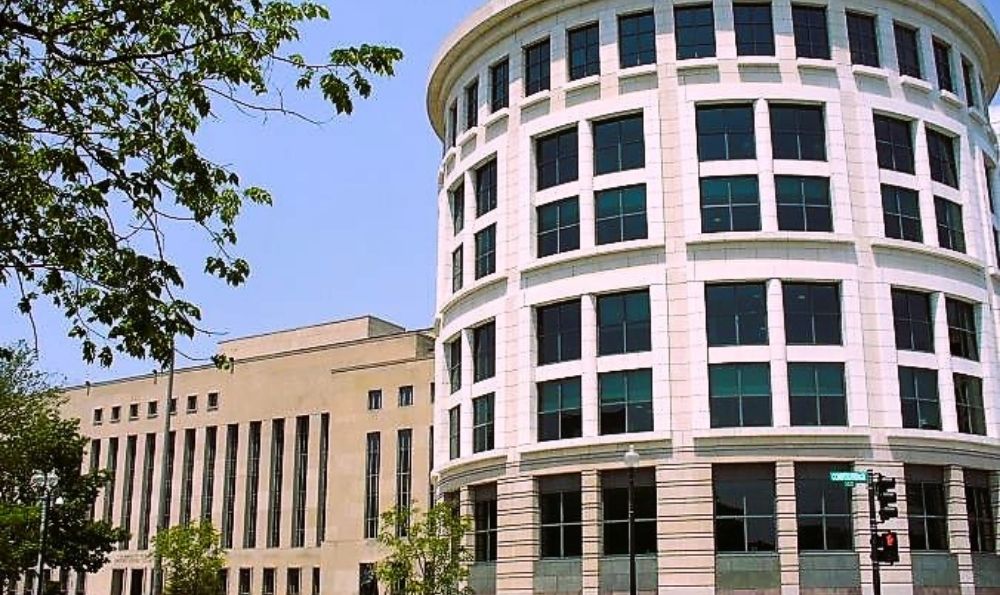
AIIA nộp đơn kiến nghị của bên thứ ba để ủng hộ nỗ lực yêu cầu thi hành án của nhà đầu tư.
AIIA đang ủng hộ vụ kiện của các nhà đầu tư EB-5 chống lại USCIS về việc chậm trễ trong việc xử lý đơn xin của họ. Các nhà đầu tư này đang khởi kiện để buộc USCIS phải xử lý các đơn xin EB-5 của họ, vốn đã bị chậm trễ trong thời gian dài.
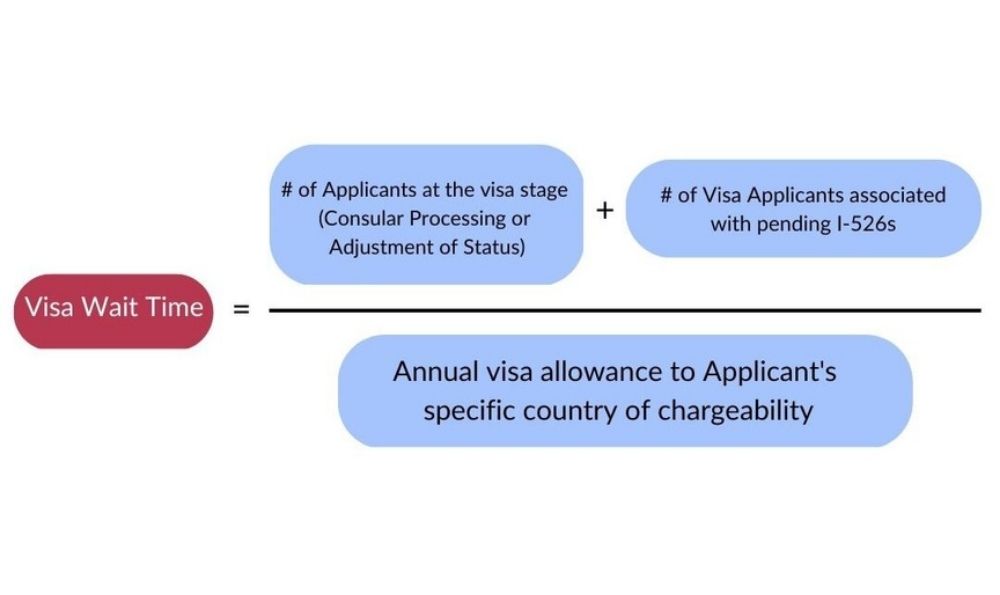
Dự án AIIA FOIA: Các đơn xin I-526 và I-829 đang chờ xử lý theo quốc gia
Dữ liệu mà AIIA nhận được thông qua yêu cầu theo Đạo luật Tự do Thông tin (FOIA) cho thấy số lượng đơn I-526 và I-829 đang chờ xử lý theo từng quốc gia, từ đó cho thấy tình trạng ùn tắc của các đơn EB-5 đang chờ được xử lý bởi USCIS. Thông tin này có thể được sử dụng để ước tính thời gian chờ visa cho các nhà đầu tư EB-5.
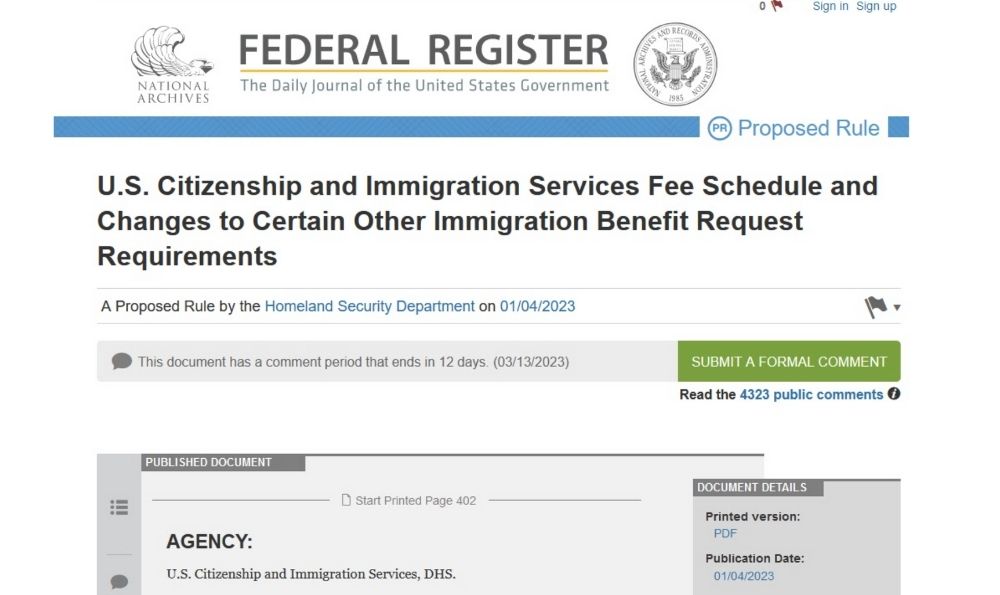
USCIS cho biết các nhà đầu tư EB-5 nên trả thêm 150%+ phí.
USCIS đang đề xuất tăng phí đáng kể đối với nhà đầu tư EB-5, cho rằng điều này là cần thiết do chương trình bị thiếu kinh phí. AIIA cho rằng điều này là bất công đối với nhà đầu tư vì không giải quyết được vấn đề thời gian xử lý chậm và các vấn đề trước đây liên quan đến dịch vụ của USCIS.
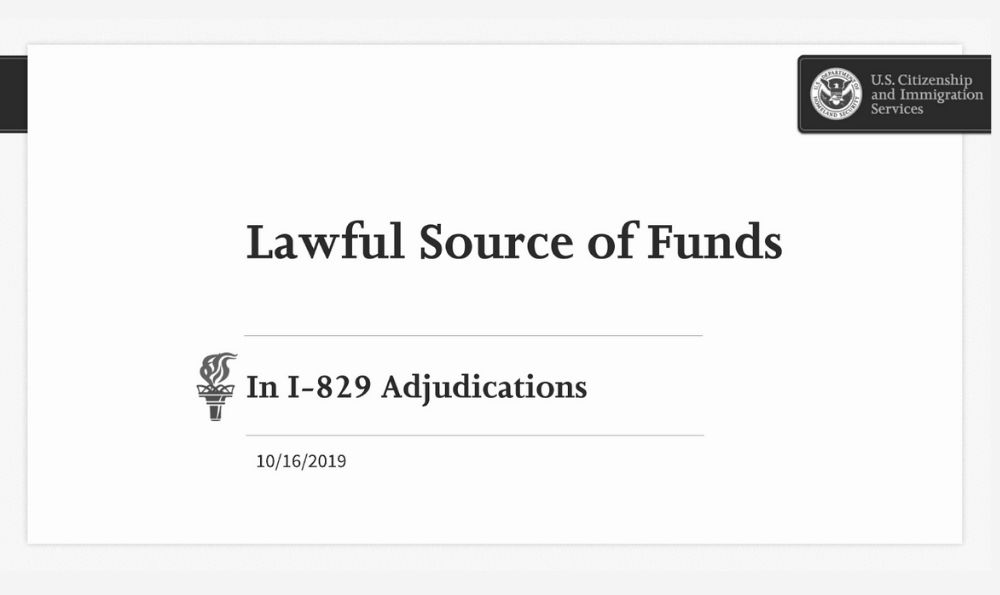
Dự án AIIA FOIA: Kiểm tra nguồn vốn tại giai đoạn I-829
USCIS đã cung cấp một số thông tin về việc xem xét lại nguồn vốn trong giai đoạn I-829, nhưng phần lớn thông tin này đã bị che giấu. Bài viết cũng tập trung vào vấn đề xem xét lại nguồn vốn và lộ trình chuyển tiền của nhà đầu tư. AIIA cho rằng việc kiểm tra này có thể không công bằng đối với các nhà đầu tư đã sử dụng các phương thức không chính thức để chuyển tiền.
AIIA đã gửi ý kiến và câu hỏi đến USCIS trước cuộc họp tham vấn các bên liên quan về chương trình EB-5 vào tháng 3 năm 2020.
Luật Cải cách và Tính liêm chính EB-5 (RIA) đã đưa ra các thay đổi, nhưng tác động đối với nhà đầu tư, đặc biệt là các nhà đầu tư trước RIA, vẫn chưa rõ ràng. AIIA đặt ra các câu hỏi về thời gian đầu tư, yêu cầu duy trì và tác động của việc chấm dứt hoạt động của các trung tâm khu vực.

AIIA tổ chức buổi gặp gỡ với các nhà đầu tư EB-5 tại Việt Nam
Trong chuyến thăm Việt Nam gần đây của AIIA, chúng tôi đã gặp gỡ các đối tác đại lý của mình tại Citizenship Pathway và Loyalpass để tìm hiểu về những khó khăn mà nhà đầu tư đang gặp phải liên quan đến nguồn gốc và nguồn vốn trong hồ sơ di trú của họ. Chuyến đi này là cơ hội tuyệt vời để chúng tôi gặp gỡ các nhà lãnh đạo cộng đồng trong cộng đồng nhà đầu tư EB-5 Việt Nam, và trực tiếp thảo luận về một số thất bại di trú nghiêm trọng nhất đã ảnh hưởng mạnh mẽ đến thị trường Việt Nam, như các quy trình xét duyệt tùy tiện và không thống nhất, cũng như việc đóng cửa các lãnh sự quán. Đọc thêm về những suy ngẫm của đội ngũ chúng tôi về chuyến đi Việt Nam tại đây!

AIIA gặp gỡ các nhà đầu tư EB-5 tại Việt Nam
Trong chuyến thăm Việt Nam gần đây của AIIA, chúng tôi đã gặp gỡ các đối tác đại lý của mình tại Citizenship Pathway và Loyalpass để tìm hiểu về những khó khăn mà nhà đầu tư đang gặp phải liên quan đến nguồn gốc và nguồn vốn trong hồ sơ di trú của họ. Chuyến đi này là cơ hội tuyệt vời để chúng tôi gặp gỡ các nhà lãnh đạo cộng đồng trong cộng đồng nhà đầu tư EB-5 Việt Nam, và trực tiếp thảo luận về một số thất bại di trú nghiêm trọng nhất đã ảnh hưởng mạnh mẽ đến thị trường Việt Nam, như các quy trình xét duyệt tùy tiện và không thống nhất, cũng như việc đóng cửa các lãnh sự quán. Đọc thêm về những suy ngẫm của đội ngũ chúng tôi về chuyến đi Việt Nam tại đây!
Xin chào thế giới! Đây là AIIA 2.0
AIIA giới thiệu giai đoạn mới nhất trong hoạt động vận động chính sách của mình: một trang web mới, kèm theo một phần tài nguyên hoàn toàn mới, giúp các nhà đầu tư EB-5 và chuyên gia tiếp cận thông tin liên quan nhất về chương trình EB-5.
Cập nhật từ AIIA, Thông báo tuyển dụng mới + Cuộc gọi Zoom
Tìm hiểu về các bước tiếp theo của AIIA trong chương trình hành động của chúng tôi, những hoạt động chúng tôi đã thực hiện kể từ khi ban hành Luật Cải cách và Tính liêm chính, các cơ hội nghề nghiệp và vị trí tình nguyện mới nhất của chúng tôi, cũng như sự kiện tương tác trực tuyến Zoom sắp tới với cộng đồng nhà đầu tư tuyệt vời của chúng tôi.

Xin chân thành cảm ơn các nhà tài trợ trong ngành EB-5 của chúng tôi.
AIIA xin chân thành cảm ơn tất cả các thành viên trong ngành EB-5 sau đây đã hỗ trợ AIIA cả về chuyên môn lẫn tài chính để thực hiện sứ mệnh của chúng tôi trong việc giúp tái ủy quyền Chương trình Trung tâm Khu vực EB-5 cho các nhà đầu tư EB-5 trên toàn thế giới.
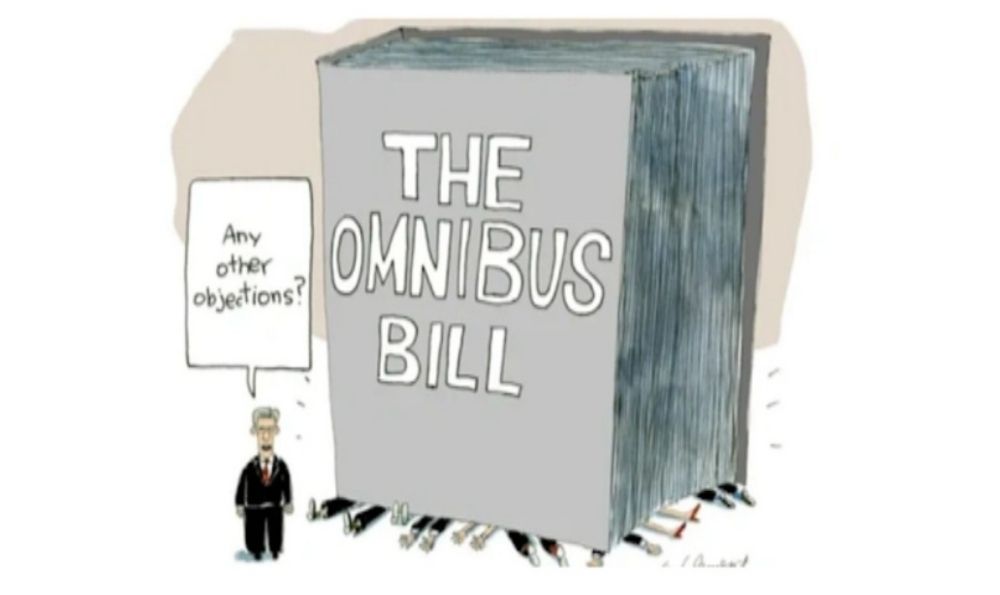
Bản tin #8: Điều gì sẽ xảy ra tiếp theo?
Nhà đầu tư EB-5 đang đối mặt với giai đoạn quan trọng trong vài tuần tới khi Quốc hội đàm phán về cải cách và gia hạn chương trình EB-5. Các nhân vật chính là Thượng nghị sĩ Leahy và Grassley, và dự luật của họ dự kiến sẽ được đưa vào dự luật phân bổ ngân sách Omnibus sắp tới. Việc áp dụng quy định miễn trừ cho các nhà đầu tư hiện tại là ưu tiên hàng đầu, và Hiệp hội Đầu tư EB-5 (AIIA) đang vận động để quy định này được đưa vào bất kỳ dự luật gia hạn nào hoặc như một biện pháp độc lập. Các vụ kiện chống lại Cơ quan Di trú và Nhập tịch Hoa Kỳ (USCIS) là phương án cuối cùng nhưng có thể cần thiết nếu các nỗ lực lập pháp thất bại.
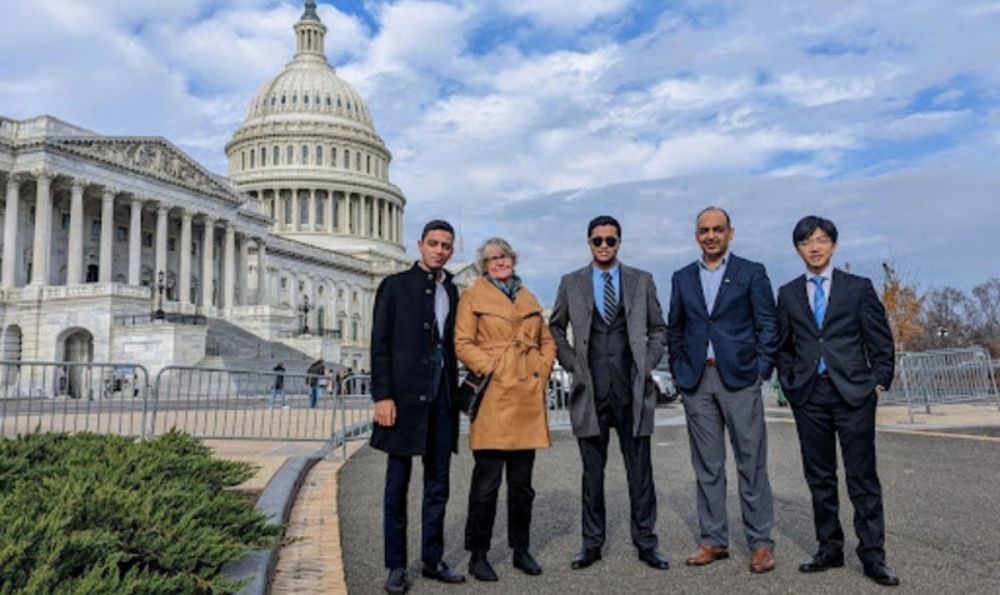
Bản tin #7: AIIA đến Washington DC
AIIA đã thực hiện một chuyến thăm vận động thành công tại Washington D.C., tiếp xúc với các văn phòng Quốc hội quan trọng và làm rõ những lo ngại của các nhà đầu tư EB-5, thúc đẩy sáng kiến miễn trừ cho các trường hợp hiện có và nhấn mạnh tác động của việc chương trình hết hạn đối với việc làm của người Mỹ, với kế hoạch thực hiện các hành động tiếp theo trong năm mới.
Bản tin #6: Kế hoạch dự phòng
Việc gia hạn Chương trình Trung tâm Khu vực EB-5 có khả năng sẽ được hoãn sang năm mới, do khả năng thấp của Dự luật Cải cách Trung tâm Khu vực EB-5 được Quốc hội thông qua. Với nguy cơ USCIS ngừng giữ các đơn xin EB-5 trong tình trạng chờ xử lý, việc Quốc hội cần nỗ lực giải quyết tình trạng của các nhà đầu tư EB-5 bị mắc kẹt trở nên quan trọng hơn bao giờ hết, hoặc bằng cách thông qua dự luật này, hoặc thông qua một sáng kiến như FIFPA.
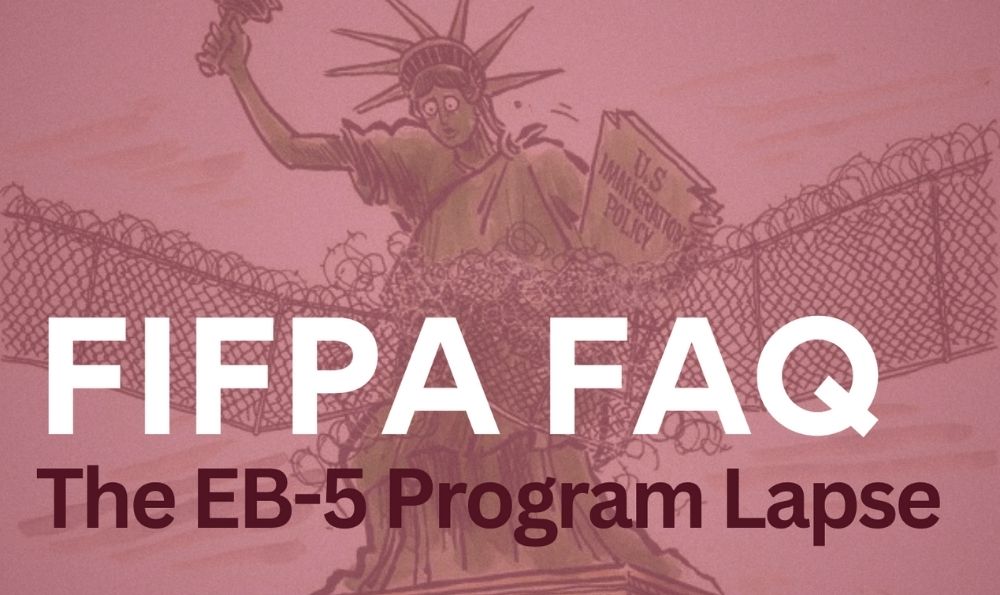
Luật Bảo vệ Công bằng cho Nhà đầu tư Nước ngoài: Câu hỏi thường gặp và Cập nhật
Một phân tích chi tiết về Dự luật Bảo vệ Công bằng cho Nhà đầu tư Nước ngoài (Foreign Investor Fairness Protection Act) được cập nhật của AIIA, nhằm bảo vệ các nhà đầu tư EB-5 hiện tại khỏi những thiếu sót của chương trình, và có thể thực hiện hành động độc lập nếu cần thiết.

Nhà đầu tư EB-5, hãy chia sẻ câu chuyện của bạn!
Các câu chuyện cảm động luôn là nền tảng quan trọng cho bất kỳ chiến dịch vận động thành công nào. AIIA mong muốn hỗ trợ lan tỏa các câu chuyện của người nhập cư theo chương trình EB-5 đến các thành viên Quốc hội khi chúng ta thảo luận về gánh nặng mà việc chương trình bị gián đoạn đã gây ra cho họ.
Bản tin #5 – Việc gia hạn không được dự kiến cho đến năm sau.
Việc gia hạn Chương trình Trung tâm Khu vực EB-5 có khả năng sẽ không diễn ra trước cuối năm; chúng ta cần đoàn kết để đảm bảo Quốc hội bảo vệ tương lai của các nhà đầu tư nhập cư.
Bản tin #4 – Khi nào việc xử lý đơn xin của tôi sẽ được tiếp tục?
Nhà đầu tư EB-5 đang rơi vào tình trạng bế tắc do chương trình Trung tâm Khu vực đã hết hạn. Các đơn xin của họ đang bị tạm hoãn và chưa rõ khi nào việc xử lý sẽ được tiếp tục. AIIA đang vận động cho một dự luật miễn trừ (FIFPA) để bảo vệ các nhà đầu tư hiện tại. Bạn có thể giúp bằng cách đóng góp hoặc chia sẻ câu chuyện của mình.
AIIA nộp đơn yêu cầu theo Đạo luật Tự do Thông tin (FOIA) tới Cục Di trú và Nhập tịch Hoa Kỳ (USCIS).
AIIA đã nộp đơn yêu cầu đầu tiên theo Đạo luật Tự do Thông tin (FOIA) để tìm hiểu thêm về việc phân bổ nhân sự tại IPO, chính sách và quy trình ra quyết định của USCIS trong thời gian gián đoạn, khối lượng xử lý hồ sơ tại IPO và các vấn đề liên quan khác.
AIIA gửi câu hỏi đến USCIS về Chương trình EB-5 và Hoạt động Tương tác Cộng đồng.
AIIA đã nộp một loạt câu hỏi liên quan đến chương trình EB-5 và các bên liên quan trong khuôn khổ cuộc tham vấn công khai gần đây nhất của USCIS, bao gồm các câu hỏi về việc chấm dứt chương trình RC còn lại, hoạt động và năng lực nhân sự của IPO, cũng như các chính sách xử lý trong thời gian chấm dứt hiện tại.
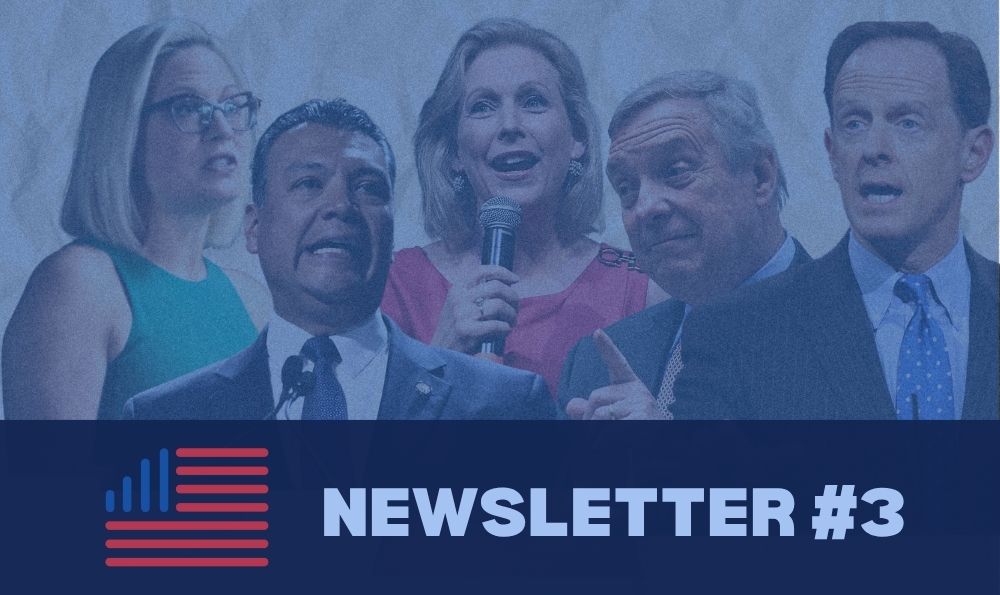
Bản tin #3 – Nỗ lực của chúng tôi đang mang lại kết quả
Đọc bản cập nhật mới nhất về các cột mốc lập pháp mà AIIA và cộng đồng EB-5 đã đạt được, cũng như thông tin chi tiết về tầm quan trọng của FIFPA, việc gia hạn chương trình và nỗ lực của cộng đồng chúng ta trong việc hỗ trợ công việc của AIIA và đưa đề xuất miễn trừ cho tất cả người nhập cư EB-5 vào thực tế.
Cập nhật Bản tin #2: Chương trình Lapse cần phải kết thúc
Trong bối cảnh chương trình EB-5 đang tạm ngừng, AIIA xin gửi đến quý vị những cập nhật mới nhất về diễn biến chính trị mới nhất liên quan đến vấn đề này thông qua chuỗi webinar lần thứ hai của chúng tôi với sự tham gia của các chuyên gia EB-5 uy tín. Cùng với cộng đồng của mình, chúng tôi đã thực hiện những bước đầu tiên để gia hạn chương trình EB-5 và nỗ lực mang lại công bằng cho các nhà đầu tư EB-5 trên toàn thế giới.
AIIA sẽ thúc đẩy việc thông qua Luật Bảo vệ Công bằng cho Nhà đầu tư Nước ngoài.
Để bảo vệ quyền lợi của các nhà đầu tư EB-5 đã đầu tư trước khi chương trình hết hạn, AIIA đang vận động cho dự luật FIFPA của riêng mình nhằm đảm bảo rằng các nhà đầu tư EB-5 có thể hoàn tất hành trình định cư của mình.
Câu hỏi thường gặp #1 - Chương trình Trung tâm Khu vực EB-5 hết hạn
Điều gì sẽ xảy ra với đơn xin EB-5 của tôi bây giờ khi chương trình đã hết hạn? Tôi có thể làm gì về điều này? Bài viết này cung cấp câu trả lời cho những câu hỏi thường gặp nhất về việc chương trình EB-5 hết hạn.
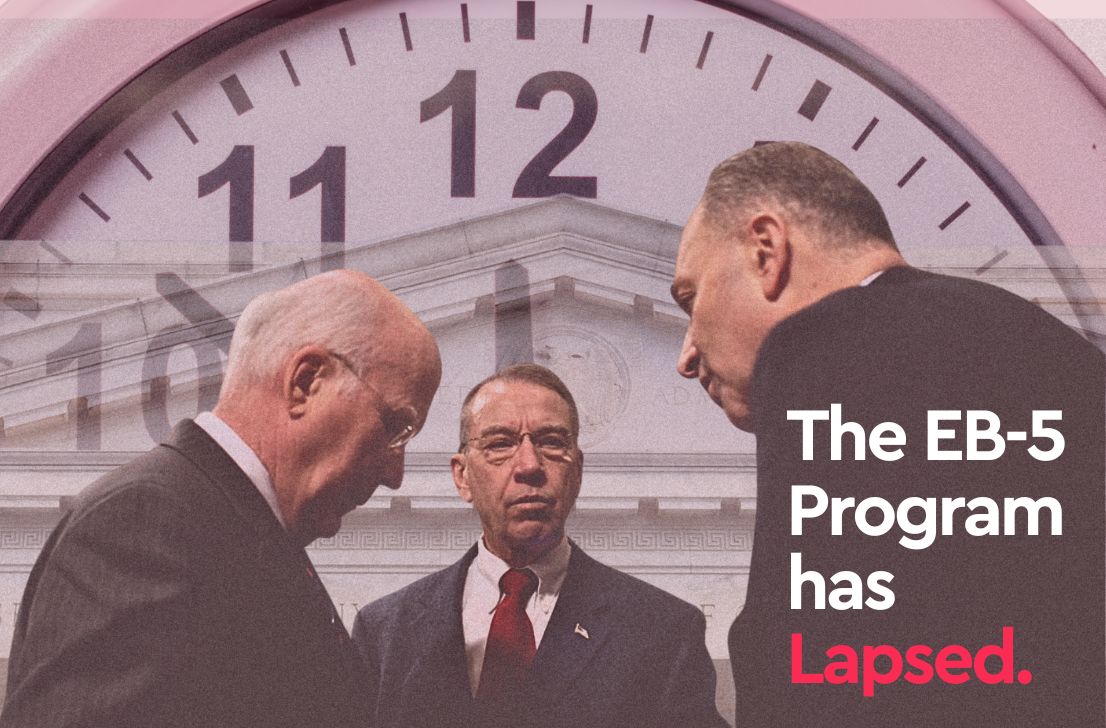
Chương trình EB-5 đã hết hạn.
Chương trình EB-5 đã hết hạn vào ngày 30 tháng 6 năm 2021 sau khi nỗ lực thông qua Đạo luật Cải cách và Tính liêm chính EB-5 không thành công; hãy xem bản ghi âm cuộc họp trực tuyến của AIIA để tìm hiểu thêm về tác động của điều này đối với các nhà đầu tư hiện tại và những gì chúng tôi đã làm để giúp bảo vệ các nhà đầu tư.
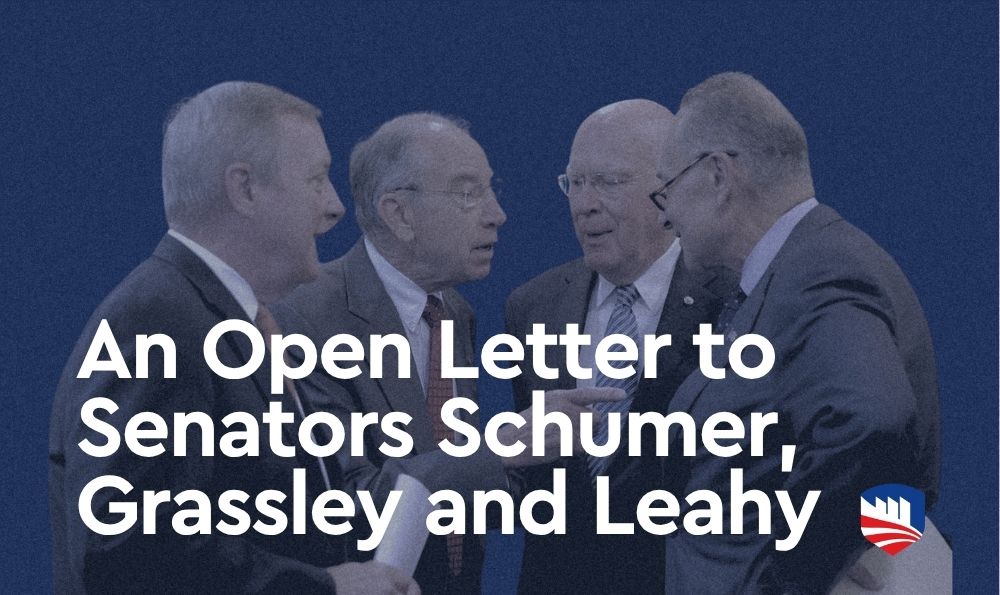
AIIA gửi thư ngỏ tới các Thượng nghị sĩ Schumer, Grassley và Leahy.
Chiến dịch tiếp cận Quốc hội của AIIA đã bắt đầu bằng việc soạn thảo một lá thư mở gửi các thượng nghị sĩ Schumer, Grassley và Leahy với sự hỗ trợ của cộng đồng nhà đầu tư EB-5 của chúng tôi.
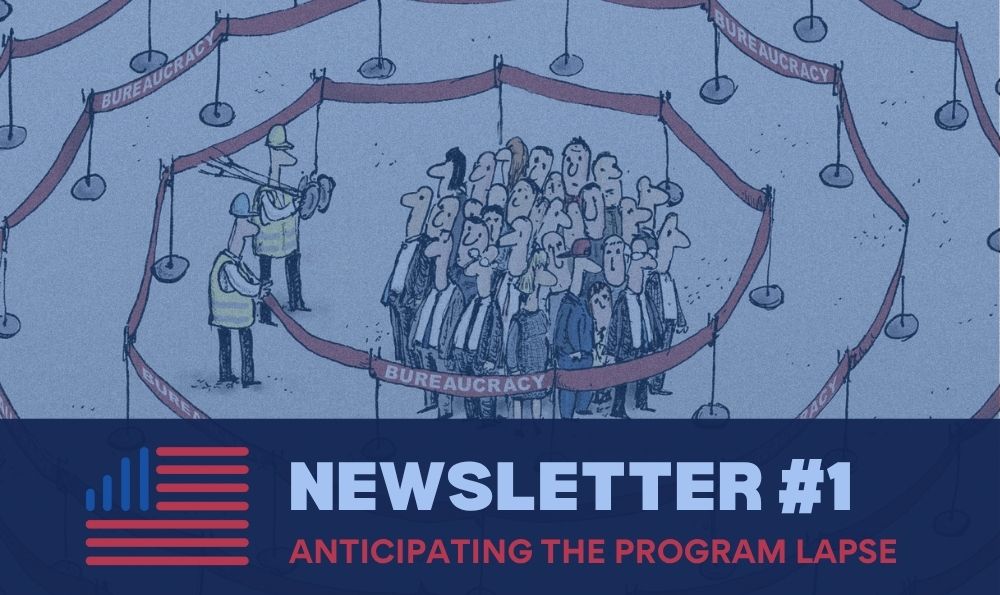
Cập nhật Bản tin #1: Sự mong đợi về việc chấm dứt Chương trình EB-5
AIIA thảo luận về khả năng chấm dứt chương trình Trung tâm Khu vực EB-5 và các đề xuất lập pháp, vụ kiện tụng, và chính sách hiện tại có thể ảnh hưởng đến các nhà đầu tư EB-5 đang chờ tái ủy quyền.
Nhà đầu tư EB-5 cần có tiếng nói
Hãy gặp gỡ Hiệp hội Nhà đầu tư Di trú Mỹ (American Immigrant Investor Alliance), một tổ chức phi lợi nhuận của Hoa Kỳ chuyên hoạt động nhằm đạt được sự công bằng và minh bạch trong Chương trình Nhà đầu tư Di trú EB-5.
Lọc blog theo chủ đề
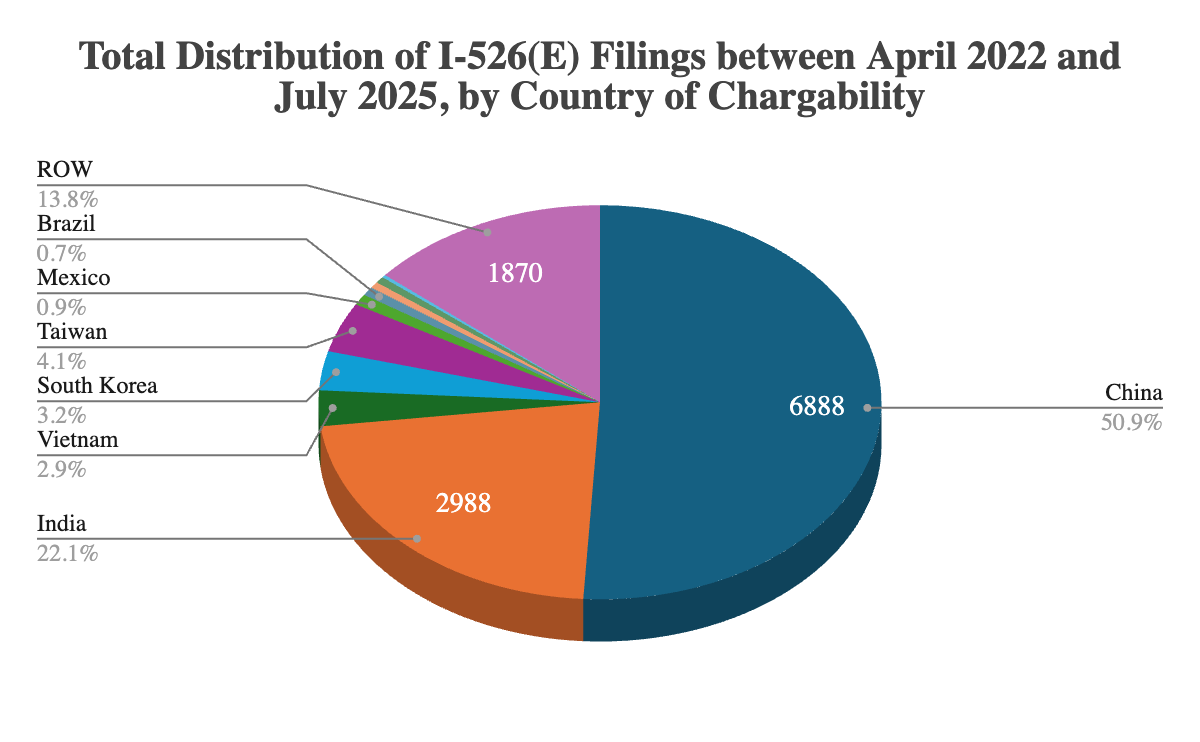
AIIA FOIA Series: Updated I-526E Inventory Statistics for July 2025
AIIA obtained new FOIA data through July 31, 2025 revealing how USCIS is actually processing EB-5 petitions, showing heavy prioritization of Rural cases, severe neglect of High Unemployment petitions, unclear handling of Infrastructure cases, and no imminent risk of Visa Bulletin cut-off dates in 2026 for set-aside categories. The data underscores serious transparency and processing failures at USCIS and highlights why continued AIIA advocacy and FOIA litigation are essential to protect EB-5 investors.
Tìm hiểu thêmAIIA Submits Comments on USCIS NPRM on Updated EB-5 Fee Rule
AIIA submitted comments on USCIS’s October 2025 EB-5 fee NPRM supporting revised, lawful fee levels but urging refunds for overpaid 2024 fees, codification of RIA processing timelines, transparency around the new technology fee, investor-protective implementation of new Form I-527, tiered fees to preserve market choice, and technical fixes for derivative investors.
Tìm hiểu thêmChúng tôi xin chúc mừng Thượng nghị sĩ Gallego về dự luật mới tận dụng Chương trình EB-5 để xây dựng nhà ở giá rẻ.
Dự luật EB-5 của Thượng nghị sĩ Gallego huy động vốn nước ngoài để xây dựng nhà ở giá rẻ. Sự hợp tác này đã củng cố mối quan hệ và uy tín của AIIA với Quốc hội trong lĩnh vực này.
Tìm hiểu thêm
Chúng tôi đã thắng kiện vụ kiện về việc tăng phí EB-5.
AIIA đã thắng kiện thành công trong vụ kiện chống lại việc tăng phí EB-5 của USCIS vào tháng 4 năm 2024, với phán quyết của một thẩm phán liên bang cho rằng cơ quan này đã tăng phí một cách trái pháp luật mà không tiến hành nghiên cứu phí bắt buộc và hành động tùy tiện theo Đạo luật Quản lý Hành chính (APA); các mức phí cũ, thấp hơn hiện đã có hiệu lực trở lại trong khi vụ kiện vẫn tiếp tục, và AIIA đang xem xét khả năng khởi kiện tập thể để đòi lại tiền cho các nhà đầu tư và trung tâm khu vực đã trả mức phí cao hơn.
Tìm hiểu thêmCòn một năm nữa để đầu tư vào dự án Trung tâm Khu vực EB-5.
AIIA cảnh báo rằng các nhà đầu tư vào Trung tâm Khu vực EB-5 sẽ mất quyền bảo vệ sau ngày 30/9/2026 trừ khi họ nộp đơn I-526E trước thời hạn đó, vì chương trình có thể hết hạn lần nữa vào năm 2027 trong bối cảnh chính quyền đang thúc đẩy chương trình “Thẻ Vàng” $1M cạnh tranh. AIIA—đơn vị sáng lập cơ chế miễn trừ cho chương trình EB-5—kêu gọi các nhà đầu tư và tổ chức phát hành hành động ngay lập tức và tiếp tục vận động cho việc gia hạn bảo vệ nếu Quốc hội không gia hạn chương trình.
Tìm hiểu thêmThẻ Vàng Trump: Một con đường mới để có Thẻ Xanh cạnh tranh với chương trình EB-5
Kế hoạch thị thực “Thẻ Vàng” $1M mới của Trump cạnh tranh trực tiếp với chương trình EB-5 và gây ra những lo ngại pháp lý nghiêm trọng, vì nó thiếu cơ sở pháp lý và tái diễn giải các hạng mục EB-1/EB-2 theo cách có thể bị tòa án bác bỏ; khác với EB-5, nguồn vốn từ Thẻ Vàng được chuyển trực tiếp vào Kho bạc Hoa Kỳ, cho thấy sự chuyển hướng từ đầu tư tư nhân tạo việc làm sang thu nhập cho chính phủ và gây rủi ro cho việc gia hạn EB-5 vào năm 2027.
Tìm hiểu thêmCập nhật tháng 8 năm 2025 về vụ kiện liên quan đến giai đoạn duy trì – Những việc nhà đầu tư EB-5 cần thực hiện
AIIA đã phản đối vụ kiện của IIUSA nhằm kéo dài thời gian duy trì chương trình EB-5, bằng cách nộp một bản kiến nghị của bên thứ ba (amicus brief), giúp Tòa án của Thẩm phán Reyes ra phán quyết xác nhận quy định hai năm rủi ro của RIA đối với các nhà đầu tư sau RIA. USCIS hiện sẽ soạn thảo các quy định chính thức, và AIIA dự định huy động các nhà đầu tư trong giai đoạn lấy ý kiến công khai để bảo vệ cách giải thích này khỏi sự phản đối từ ngành công nghiệp.
Tìm hiểu thêmCuộc chiến bảo vệ nhà đầu tư EB-5 thiện chí
RIA được thiết kế để bảo vệ các nhà đầu tư EB-5 có thiện chí khi các dự án thất bại do không phải lỗi của họ, nhưng USCIS đã không thực hiện các biện pháp bảo vệ này, dẫn đến các vụ kiện như vụ kiện của Rajvir Batra, đồng sáng lập AIIA, và bảy nhà đầu tư khác. AIIA ủng hộ các hành động pháp lý này để đảm bảo thông báo kịp thời, thời gian khắc phục 180 ngày và duy trì tình trạng nhập cư của các nhà đầu tư.
Tìm hiểu thêm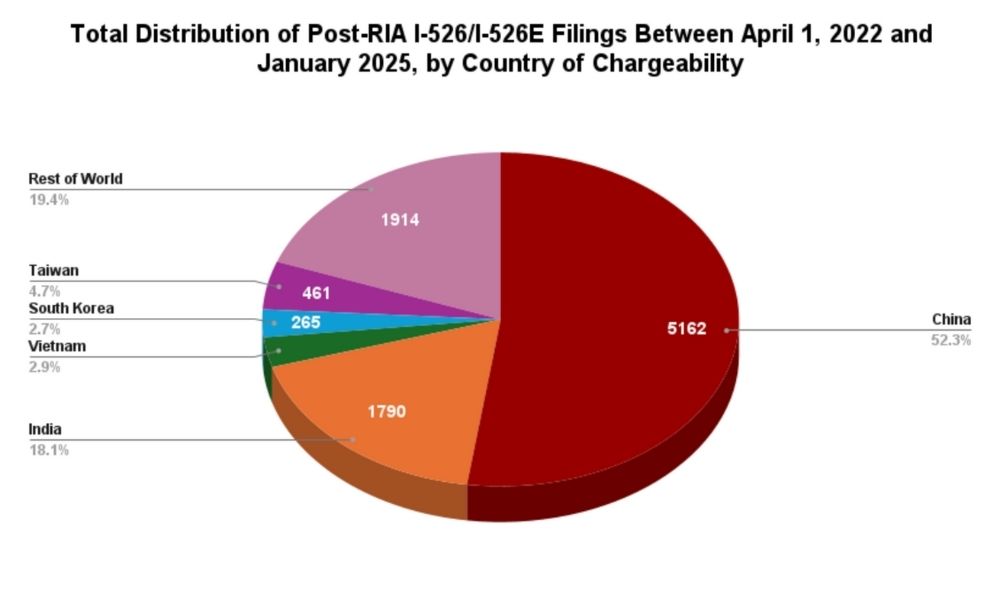
Liên hệ với chúng tôi
Nếu quý vị có bất kỳ câu hỏi, thắc mắc hoặc đề xuất hợp tác nào, xin vui lòng liên hệ với chúng tôi mà không ngần ngại.
 Vietnamese
  English
  Chinese