Vấn đề EB-5
Di trú
Các vấn đề hệ thống trong quy trình nhập cư EB-5 và Dịch vụ Công dân và Nhập cư Hoa Kỳ
Chúng ta đang đấu tranh vì điều gì?
Lĩnh vực di trú EB-5 đang đối mặt với nhiều thách thức đòi hỏi sự quan tâm cấp bách và cải cách. Trong số các vấn đề này, nổi bật nhất là tình trạng chậm trễ kéo dài trong việc xử lý visa và ùn tắc hồ sơ tại Cục Di trú và Quốc tịch Hoa Kỳ (USCIS). Những chậm trễ này không chỉ gây ra sự không chắc chắn mà còn cản trở việc thực hiện kịp thời các mục tiêu di trú của nhà đầu tư. Việc giải quyết những bất cập này là yếu tố then chốt để tạo ra một môi trường linh hoạt và thân thiện hơn với nhà đầu tư.
Việc trẻ em “hết tuổi” để đủ điều kiện xin visa là một vấn đề đáng lo ngại khác, nhấn mạnh sự cần thiết của việc cải cách. Các quy định về độ tuổi cứng nhắc trong hệ thống nhập cư hiện tại không tính đến thời gian xử lý kéo dài, dẫn đến việc gia đình bị chia cắt và làm suy yếu mục tiêu gia đình của chương trình. Việc vận động cải cách để khắc phục vấn đề này là cấp thiết, nhấn mạnh tầm quan trọng của việc duy trì sự đoàn kết gia đình trong chương trình EB-5.
Thời gian duy trì và việc từ chối tùy tiện các đơn xin visa là những thách thức quan trọng khác. Sự cứng nhắc trong các yêu cầu về thời gian duy trì cản trở khả năng của nhà đầu tư trong việc thích ứng với những thay đổi của hoàn cảnh, ảnh hưởng đến các khoản đầu tư của họ và thành công của các dự án EB-5. Đồng thời, việc từ chối tùy tiện làm suy giảm niềm tin của nhà đầu tư, do sự thiếu minh bạch trong quá trình xét duyệt visa gây ra sự không chắc chắn. Các cải cách giải quyết những vấn đề này, bao gồm việc thiết lập một thời gian duy trì linh hoạt hơn và tăng cường tính minh bạch trong quy trình xét duyệt visa, là điều cần thiết để củng cố tính toàn vẹn và sức hấp dẫn của chương trình EB-5.
Phòng tin tức
Tin tức và Bài viết về Di trú
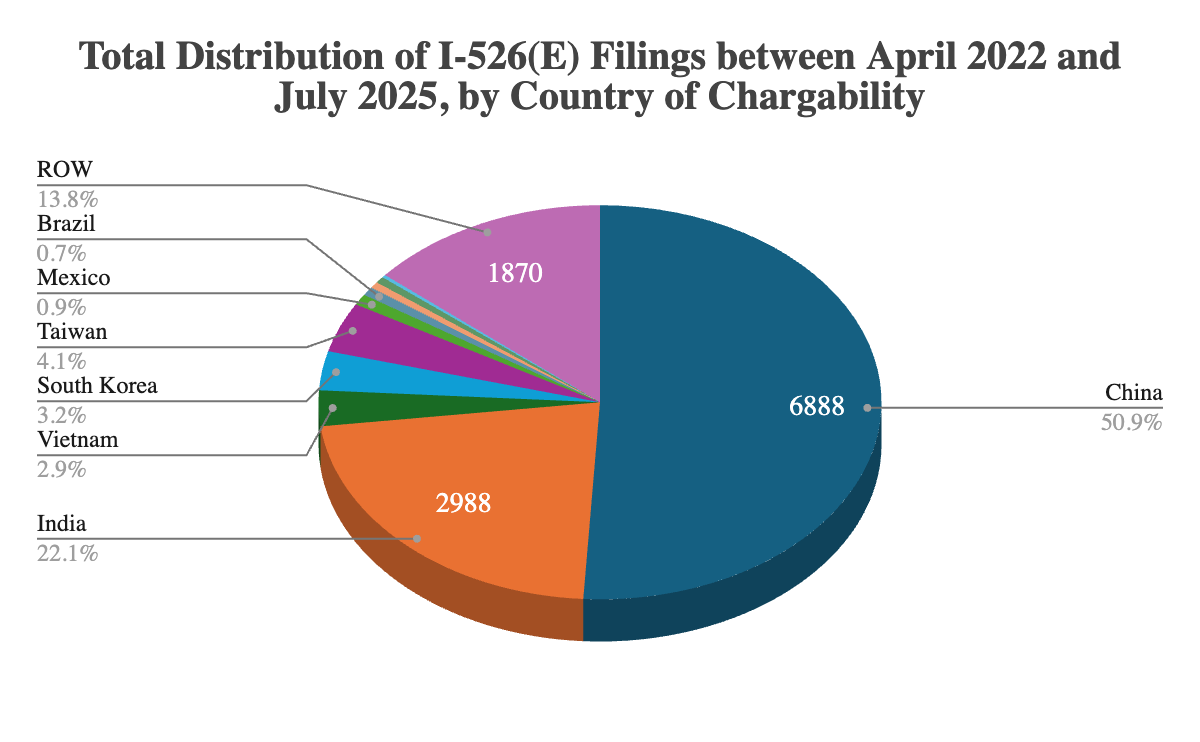
AIIA FOIA Series: Updated I-526E Inventory Statistics for July 2025
AIIA obtained new FOIA data through July 31, 2025 revealing how USCIS is actually processing EB-5 petitions, showing heavy prioritization of Rural cases, severe neglect of High Unemployment petitions, unclear handling of Infrastructure cases, and no imminent risk of Visa Bulletin cut-off dates in 2026 for set-aside categories. The data underscores serious transparency and processing failures at USCIS and highlights why continued AIIA advocacy and FOIA litigation are essential to protect EB-5 investors.
AIIA Submits Comments on USCIS NPRM on Updated EB-5 Fee Rule
AIIA submitted comments on USCIS’s October 2025 EB-5 fee NPRM supporting revised, lawful fee levels but urging refunds for overpaid 2024 fees, codification of RIA processing timelines, transparency around the new technology fee, investor-protective implementation of new Form I-527, tiered fees to preserve market choice, and technical fixes for derivative investors.
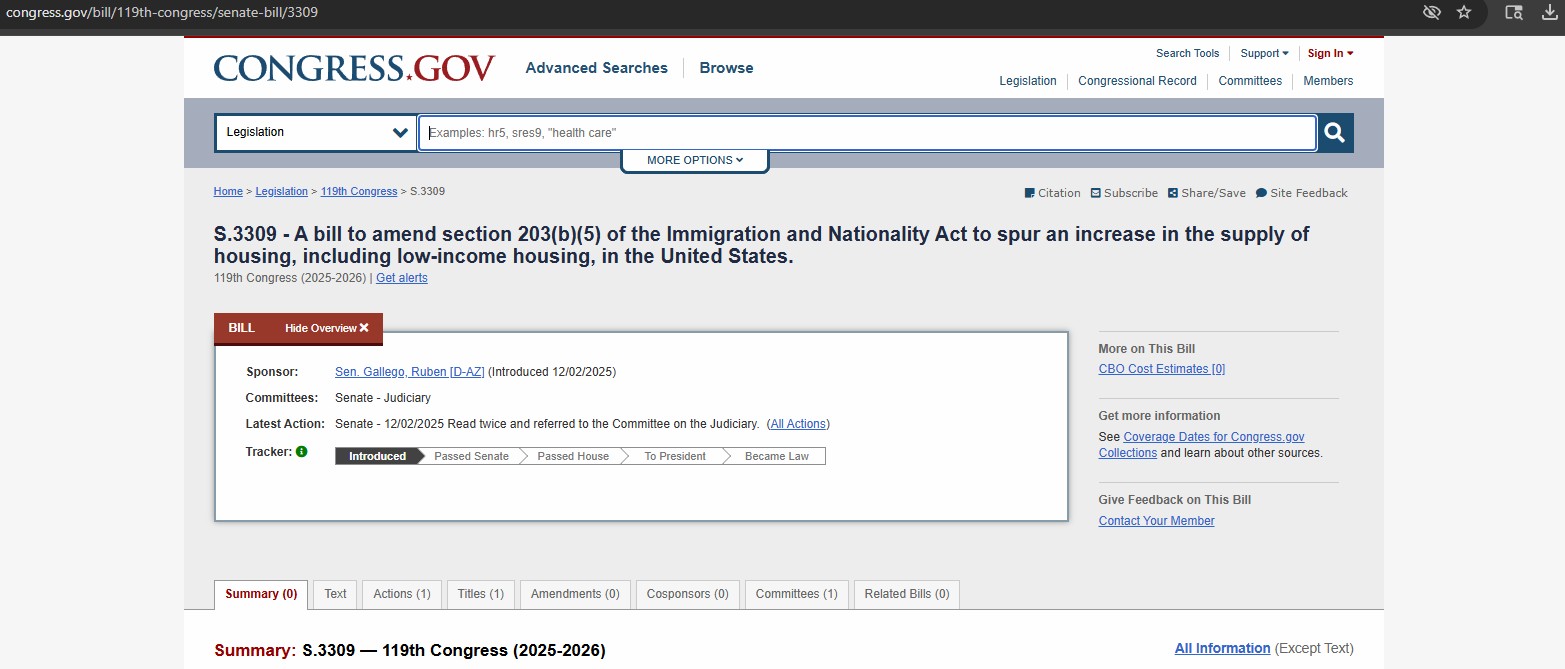
Chúng tôi xin chúc mừng Thượng nghị sĩ Gallego về dự luật mới tận dụng Chương trình EB-5 để xây dựng nhà ở giá rẻ.
Dự luật EB-5 của Thượng nghị sĩ Gallego huy động vốn nước ngoài để xây dựng nhà ở giá rẻ. Sự hợp tác này đã củng cố mối quan hệ và uy tín của AIIA với Quốc hội trong lĩnh vực này.

Chúng tôi đã thắng kiện vụ kiện về việc tăng phí EB-5.
AIIA đã thắng kiện thành công trong vụ kiện chống lại việc tăng phí EB-5 của USCIS vào tháng 4 năm 2024, với phán quyết của một thẩm phán liên bang cho rằng cơ quan này đã tăng phí một cách trái pháp luật mà không tiến hành nghiên cứu phí bắt buộc và hành động tùy tiện theo Đạo luật Quản lý Hành chính (APA); các mức phí cũ, thấp hơn hiện đã có hiệu lực trở lại trong khi vụ kiện vẫn tiếp tục, và AIIA đang xem xét khả năng khởi kiện tập thể để đòi lại tiền cho các nhà đầu tư và trung tâm khu vực đã trả mức phí cao hơn.

Cuộc chiến bảo vệ nhà đầu tư EB-5 thiện chí
RIA được thiết kế để bảo vệ các nhà đầu tư EB-5 có thiện chí khi các dự án thất bại do không phải lỗi của họ, nhưng USCIS đã không thực hiện các biện pháp bảo vệ này, dẫn đến các vụ kiện như vụ kiện của Rajvir Batra, đồng sáng lập AIIA, và bảy nhà đầu tư khác. AIIA ủng hộ các hành động pháp lý này để đảm bảo thông báo kịp thời, thời gian khắc phục 180 ngày và duy trì tình trạng nhập cư của các nhà đầu tư.
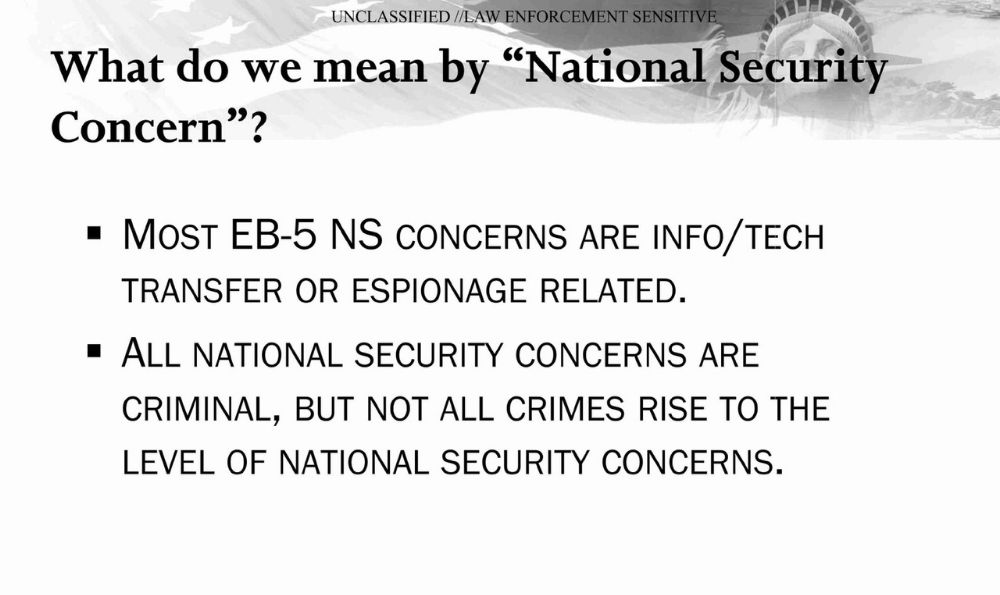
Dự án AIIA FOIA: Tiêu chuẩn xét duyệt bí mật của USCIS – Kiểm tra an ninh quốc gia
Các thông tin được tiết lộ theo Đạo luật Tự do Thông tin (FOIA) cho thấy Cục Di trú và Nhập tịch Hoa Kỳ (USCIS) sử dụng các tiêu chí “an ninh quốc gia” mập mờ và thường mang tính chủ quan - đặc biệt đối với nhà đầu tư từ các quốc gia được coi là có rủi ro cao như Trung Quốc - để đánh dấu các trường hợp EB-5 cần xem xét kéo dài hoặc từ chối. Các tiêu chí này bao gồm từ mối quan hệ với quân đội đến việc liên kết với một số trường đại học cụ thể. Các cuộc xem xét này có thể diễn ra ở bất kỳ giai đoạn nào và gây ra sự chậm trễ kéo dài nhiều năm trừ khi được giải quyết thông qua kiện tụng hoặc can thiệp chính trị.
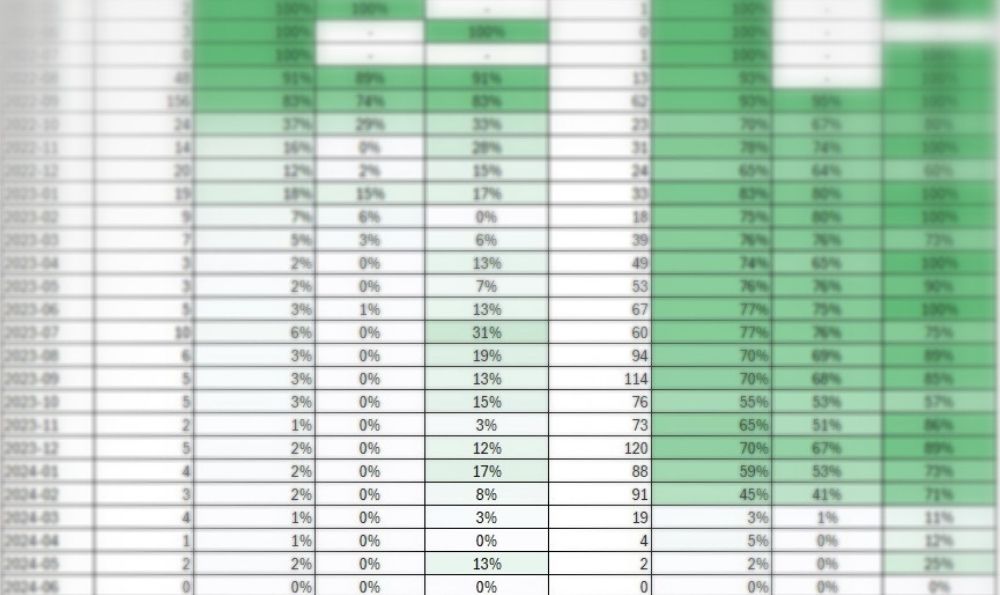
Dự án AIIA FOIA: Thống kê sau khi phê duyệt đơn kiến nghị RIA cho tháng 1 năm 2025
Dữ liệu FOIA của USCIS cho thấy việc xét duyệt đơn EB-5 sau RIA diễn ra chậm chạp, với các trường hợp ở khu vực nông thôn được xử lý nhanh hơn so với các trường hợp ở khu vực có tỷ lệ thất nghiệp cao, nhưng cả hai đều chưa thể giải quyết hết tồn đọng—nghĩa là thời gian chờ đợi sẽ kéo dài, đặc biệt đối với các nhà đầu tư HUA.
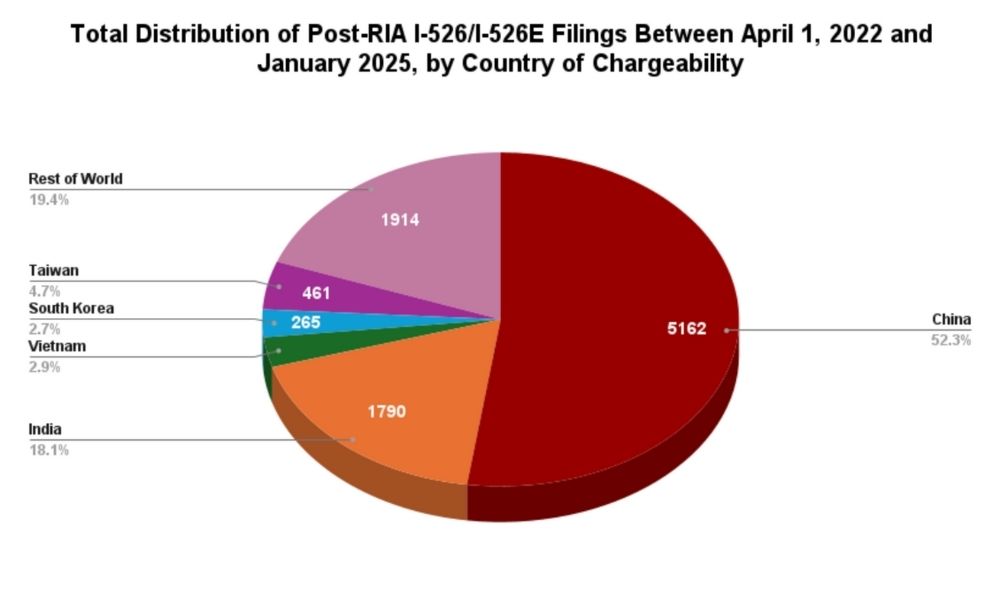
Dự án FOIA của AIIA: Cập nhật thống kê kho hàng I-526E cho tháng 1 năm 2025
Dữ liệu FOIA của USCIS do AIIA thu thập cho thấy nhu cầu EB-5 sau RIA vượt xa giới hạn visa hàng năm—khoảng 10 lần đối với khu vực có tỷ lệ thất nghiệp cao và 4 lần đối với khu vực nông thôn—gây ra thời gian chờ đợi tiềm năng kéo dài, đặc biệt là đối với Trung Quốc và Ấn Độ. Chúng tôi kêu gọi quý vị xem xét đóng góp để duy trì các vụ kiện FOIA và hoạt động vận động cho tính minh bạch của nhà đầu tư.

Dự án FOIA của AIIA: Cập nhật thống kê kho hàng I-526E cho tháng 7 năm 2024
AIIA đã nộp các yêu cầu theo Đạo luật Tự do Thông tin (FOIA) tới USCIS để yêu cầu dữ liệu về các đơn I-526 và I-526E, cho thấy xu hướng từ tháng 4 năm 2022 đến tháng 7 năm 2024. Dữ liệu cho thấy nhu cầu tăng cao đối với các visa TEA ở khu vực có tỷ lệ thất nghiệp cao và vùng nông thôn, với thời gian chờ đợi kéo dài do số lượng visa hàng năm có hạn. Tình trạng ùn tắc đặc biệt đáng lo ngại đối với các ứng viên đến từ Trung Quốc và Ấn Độ.
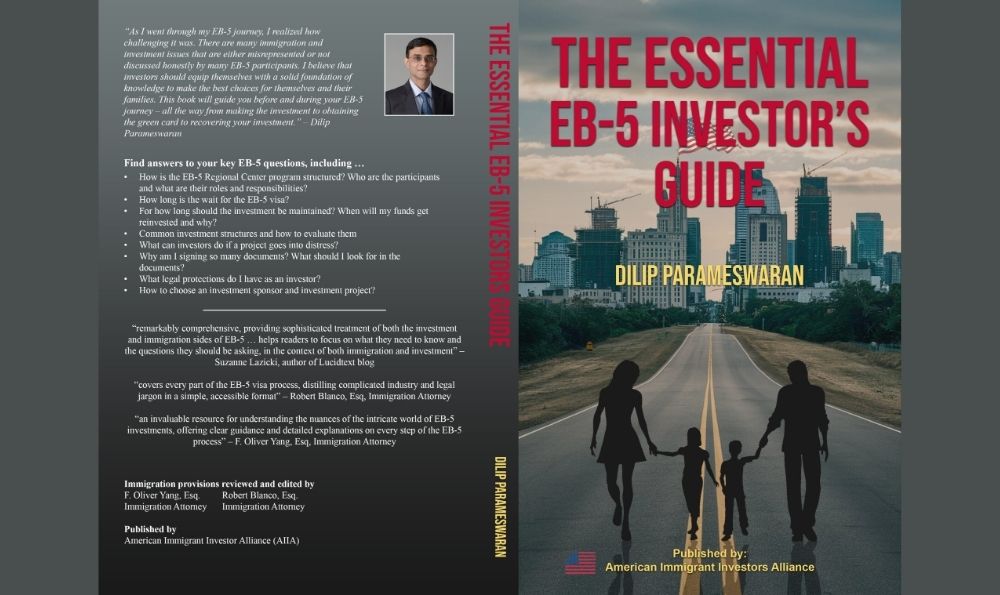
Thông báo về việc xuất bản cuốn "Hướng dẫn đầu tư EB-5 thiết yếu" do Dilip Parameswaran biên soạn.
AIIA hân hạnh giới thiệu cuốn "The Essential EB-5 Investor’s Guide" của Dilip Parameswaran, một chuyên gia ngân hàng đầu tư dày dặn kinh nghiệm đã thành công trong việc hướng dẫn quy trình EB-5. Cuốn sách này cung cấp những thông tin quan trọng về các khía cạnh di trú và đầu tư của chương trình EB-5, với sự đóng góp chuyên môn từ các luật sư EB-5. Cuốn sách có sẵn trên Amazon dưới cả hai định dạng điện tử và bìa mềm, là tài liệu tham khảo thiết yếu cho các nhà đầu tư EB-5 hiện tại và tiềm năng.

Dự án AIIA FOIA: Dữ liệu I-526 trước khi đánh giá tác động quy định (RIA) tính đến tháng 7 năm 2024
Các yêu cầu FOIA gần đây của AIIA đã tiết lộ dữ liệu chi tiết về các đơn xin EB-5 I-526 đang chờ xử lý tính đến tháng 7 năm 2024, nhấn mạnh tình trạng ùn tắc của các nhà đầu tư trước RIA, đặc biệt là từ Trung Quốc, Ấn Độ và phần còn lại của thế giới. Dữ liệu này nhấn mạnh thời gian chờ đợi đáng kể đối với các nhà đầu tư trước RIA, đồng thời cũng cho thấy tình trạng ùn tắc ngày càng gia tăng đối với các nhà đầu tư sau RIA, đặc biệt là từ Trung Quốc, nơi có thể không đủ visa để giải quyết tình trạng ùn tắc này cho đến năm 2030.

Tòa án phán quyết chống lại các trung tâm khu vực trong vụ kiện về việc gia hạn visa.
Một phán quyết của tòa án đã chặn nỗ lực của IIUSA trong việc ngăn chặn việc chuyển đổi các visa EB-5 chưa sử dụng từ danh mục dành riêng sang danh mục không dành riêng, đảm bảo có thêm visa cho các nhà đầu tư trước RIA, đặc biệt là những người đến từ Trung Quốc và Ấn Độ, từ đó giảm thời gian chờ đợi của họ. Quyết định này duy trì hiện trạng, mang lại lợi ích cho các nhà đầu tư trước RIA đồng thời duy trì khả năng tồn đọng cho các nhà đầu tư sau RIA trong danh mục dành riêng, và AIIA tiếp tục theo dõi vụ việc và bảo vệ quyền lợi của nhà đầu tư.
Các vấn đề trong lĩnh vực di trú
Chọn bất kỳ vấn đề nào ở trên để truy cập các tài nguyên, bài báo và bài viết blog liên quan đến vấn đề đó.
Đối với các bên liên quan đến Chương trình EB-5
Nguồn tài nguyên di trú nổi bật
Mặt tối của EB-5 - Tóm tắt các rủi ro liên quan
Yêu cầu "có nguy cơ", các điều khoản tái bố trí, nguy cơ gian lận, xử lý chậm trễ, từ chối đơn xin, và trẻ em hết tuổi được bảo vệ.
Tìm hiểu thêm
Nộp đơn yêu cầu xử lý khẩn cấp cho đơn xin thị thực EB-5
Yêu cầu gia hạn EB-5 chỉ áp dụng cho các dự án hoặc trường hợp cá nhân, và yêu cầu bằng chứng mạnh mẽ như thiệt hại tài chính, nhu cầu nhân đạo hoặc lợi ích quốc gia để được Cục Di trú và Nhập tịch Hoa Kỳ (USCIS) phê duyệt.
Tìm hiểu thêm
Lệnh Mandamus (WOM) về việc xử lý chậm trễ hồ sơ EB-5
Một lệnh Mandamus buộc USCIS phải xử lý các đơn xin EB-5 bị trì hoãn, nhưng yêu cầu chuyên môn pháp lý và không đảm bảo việc xử lý nhanh hơn.
Tìm hiểu thêm
Luật Chứng khoán và Luật Doanh nghiệp so với Luật Di trú trong bối cảnh Chương trình EB-5
Các tranh chấp đầu tư EB-5 và kết quả nhập cư liên quan đến các hệ thống pháp lý riêng biệt, do đó việc khởi kiện nhà phát hành thường không ảnh hưởng đến vụ việc nhập cư của nhà đầu tư. Nhà đầu tư nên hành động nhanh chóng nếu nghi ngờ có hành vi gian lận hoặc vấn đề dự án, vì sự chậm trễ có thể đe dọa cả vốn đầu tư và tình trạng nhập cư của họ.
Tìm hiểu thêm
“Yêu cầu cung cấp bằng chứng” (RFE) và “Thông báo ý định từ chối” (NOID) trong bối cảnh EB-5
USCIS ban hành các yêu cầu bổ sung tài liệu (RFEs) và thông báo về các vấn đề nghiêm trọng (NOIDs) để yêu cầu cung cấp tài liệu còn thiếu hoặc chỉ ra các vấn đề nghiêm trọng trong đơn xin EB-5; việc không phản hồi có thể dẫn đến việc đơn bị từ chối hoặc bị loại khỏi chương trình visa.
Tìm hiểu thêm
Nếu đơn xin EB-5 bị từ chối thì sao?
Nhà đầu tư có thể kháng cáo quyết định từ chối đơn xin EB-5 thông qua Văn phòng Kháng cáo của USCIS (AAO) hoặc tòa án liên bang, nhưng phải hành động nhanh chóng và tham khảo ý kiến của các luật sư di trú có kinh nghiệm để duy trì tính hợp lệ.
Tìm hiểu thêm
Vấn đề về việc hết hạn tuổi trong chương trình EB-5
Luật Bảo vệ Tuổi của Trẻ em (CSPA) giúp giữ nguyên tuổi của trẻ em trong các đơn xin thị thực EB-5, nhưng tình trạng ùn tắc thị thực kéo dài vẫn có thể khiến trẻ em vượt quá độ tuổi quy định và mất đi khả năng đủ điều kiện nhập cư.
Tìm hiểu thêmLiên hệ với chuyên gia
AIIA đã tuyển chọn một danh sách các chuyên gia hàng đầu, bao gồm luật sư, chuyên gia đầu tư và người viết kế hoạch kinh doanh, để hỗ trợ tất cả các bên liên quan đến chương trình EB-5.
Danh bạ các chuyên gia

AIIA đã tuyển chọn một danh sách các chuyên gia hàng đầu, bao gồm luật sư, chuyên gia đầu tư và người viết kế hoạch kinh doanh, để hỗ trợ tất cả các bên liên quan đến chương trình EB-5.
Xem Danh bạ Chuyên giaCâu hỏi thường gặp
Những thách thức chính về di trú mà các nhà đầu tư EB-5 đang phải đối mặt hiện nay là gì?
Nhà đầu tư EB-5 phải đối mặt với nhiều thách thức hệ thống, bao gồm tình trạng chậm trễ nghiêm trọng trong xử lý visa, lượng hồ sơ tồn đọng lớn tại USCIS và thiếu minh bạch trong quá trình xét duyệt đơn xin. Những vấn đề này gây ra sự không chắc chắn và cản trở nhà đầu tư đạt được mục tiêu di trú và đầu tư đúng thời hạn. Việc giải quyết những bất cập này là điều quan trọng để duy trì niềm tin của nhà đầu tư và đảm bảo chương trình EB-5 hoạt động đúng như mục tiêu đề ra.
Tại sao việc chậm trễ trong xử lý visa lại là một vấn đề nghiêm trọng trong chương trình EB-5?
Thời gian xử lý kéo dài có thể kéo dài trong nhiều năm, làm chậm tiến độ nhập cư của nhà đầu tư và gây phức tạp cho lịch trình dự án. Những trì hoãn này cũng góp phần gây ra áp lực gia đình và tài chính, đặc biệt đối với các nhà đầu tư có con cái phụ thuộc có thể mất tư cách xin visa do quá tuổi trong thời gian chờ đợi. AIIA kêu gọi việc xử lý nhanh chóng hơn và tăng cường tính minh bạch để quá trình này trở nên dự đoán được và công bằng hơn.
Liên hệ với chúng tôi
Nếu quý vị có bất kỳ câu hỏi, thắc mắc hoặc đề xuất hợp tác nào, xin vui lòng liên hệ với chúng tôi mà không ngần ngại.
 Vietnamese
  English
  Chinese