Vấn đề EB-5
Đầu tư và Chứng khoán > Thanh toán
Vấn đề trong việc hoàn trả vốn đầu tư EB-5 và quan hệ giữa nhà đầu tư và trung tâm khu vực
Chúng ta đang đấu tranh vì điều gì?
Việc hoàn trả vốn trong chương trình EB-5 là một yếu tố quan trọng của chương trình EB-5, ảnh hưởng đến mục tiêu và kỳ vọng của nhà đầu tư. Việc hoàn trả vốn thể hiện sự thành công và tính khả thi của dự án EB-5 và trung tâm khu vực, giúp nhà đầu tư đạt được mục tiêu tài chính và di trú, đồng thời giảm thiểu rủi ro và sự không chắc chắn cho cả nhà đầu tư và trung tâm khu vực. Do đó, việc hoàn trả vốn là yếu tố quan trọng mà nhà đầu tư cần xem xét khi lựa chọn dự án EB-5 và trung tâm khu vực.
Tuy nhiên, việc hoàn trả vốn cho nhà đầu tư không hề dễ dàng và đi kèm với nhiều rủi ro.
Phòng tin tức
Tin tức và Bài viết về Đầu tư và Chứng khoán

AIIA tổ chức cuộc họp lần thứ hai với Văn phòng Thanh tra viên của CIS.
Cuộc họp thứ hai của AIIA với Thanh tra Dịch vụ Công dân và Di trú (CISOMB) đã thảo luận về các vấn đề như thời gian duy trì, việc hết hạn tuổi, nguồn gốc và đường đi của quỹ, cũng như tính minh bạch với các nhà đầu tư EB-5 về việc tiếp nhận đơn xin và quá trình xét duyệt.

Cơn ác mộng của việc tái triển khai
Tóm tắt về vấn đề tái đầu tư EB-5, trong đó nêu rõ rằng các nhà đầu tư EB-5 phải duy trì khoản đầu tư của mình trong một khoảng thời gian nhất định. Điều này có thể gây khó khăn cho các nhà đầu tư vì thời gian xử lý đơn xin EB-5 có thể rất lâu. AIIA đang vận động để thay đổi chính sách tái đầu tư nhằm mang lại lợi ích cho các nhà đầu tư.
Đối với các bên liên quan đến Chương trình EB-5
Nguồn tài nguyên đầu tư và chứng khoán nổi bật

Mặt tối của EB-5 - Tóm tắt các rủi ro liên quan
Yêu cầu "có nguy cơ", các điều khoản tái bố trí, nguy cơ gian lận, xử lý chậm trễ, từ chối đơn xin, và trẻ em hết tuổi được bảo vệ.
Tìm hiểu thêm
Nhà đầu tư EB-5 có quyền khởi kiện để đòi lại khoản đầu tư của mình tại các tòa án Hoa Kỳ.
Người không phải công dân, bao gồm cả nhà đầu tư EB-5, có những quyền hiến pháp mạnh mẽ tại Hoa Kỳ — bao gồm quyền được xét xử công bằng và quyền khởi kiện — và việc khởi kiện thông thường không ảnh hưởng đến kết quả nhập cư. Nhà đầu tư nên hiểu rõ quy định về thẩm quyền xét xử, xem xét hợp đồng của mình và ghi chép lại bất kỳ đe dọa hoặc trả đũa nào, vì khởi kiện thường là biện pháp hiệu quả duy nhất khi các bên phát hành chậm trễ trong việc thanh toán, quản lý quỹ sai trái hoặc có hành vi vi phạm.
Tìm hiểu thêm
Luật Chứng khoán và Luật Doanh nghiệp so với Luật Di trú trong bối cảnh Chương trình EB-5
Các tranh chấp đầu tư EB-5 và kết quả nhập cư liên quan đến các hệ thống pháp lý riêng biệt, do đó việc khởi kiện nhà phát hành thường không ảnh hưởng đến vụ việc nhập cư của nhà đầu tư. Nhà đầu tư nên hành động nhanh chóng nếu nghi ngờ có hành vi gian lận hoặc vấn đề dự án, vì sự chậm trễ có thể đe dọa cả vốn đầu tư và tình trạng nhập cư của họ.
Tìm hiểu thêm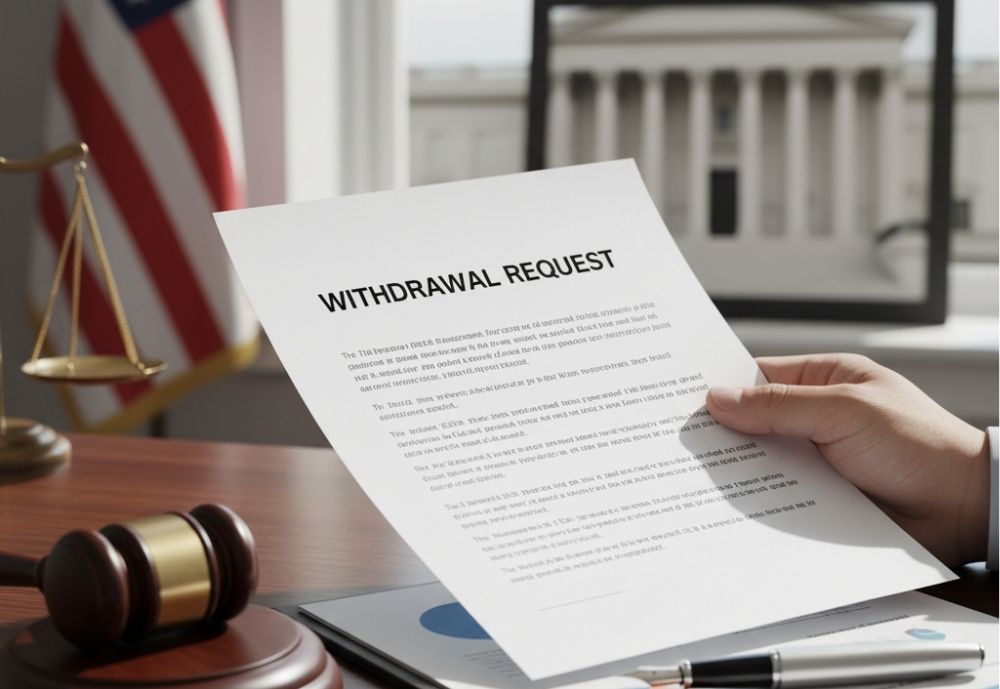
Rút vốn sớm khỏi dự án EB-5
Việc rút vốn EB-5 sớm thường gặp khó khăn vì số tiền đã được đầu tư vào dự án và phải duy trì trạng thái “có rủi ro”, nhưng nhà đầu tư có thể yêu cầu hoàn trả chỉ khi hợp đồng bị vi phạm hoặc việc từ chối của bên phát hành không có lý do kinh doanh hợp lệ. Việc khởi kiện có thể được thực hiện trong một số trường hợp hạn chế, tuy nhiên nhà đầu tư phải cung cấp bằng chứng mạnh mẽ hoặc đối mặt với nguy cơ bị từ chối và chi phí pháp lý thêm.
Tìm hiểu thêm
Chuẩn bị cho vụ kiện chống lại Trung tâm Khu vực EB-5
Thành công trong các vụ kiện EB-5 phụ thuộc vào việc chuẩn bị hồ sơ đầy đủ, do đó nhà đầu tư nên lưu giữ tất cả tài liệu - từ hợp đồng đến tin nhắn - và duy trì thời gian biểu rõ ràng để củng cố các yêu cầu trong tương lai. Bằng chứng bằng ngôn ngữ nước ngoài phải được dịch chuyên nghiệp, vì sai sót hoặc thiếu tài liệu có thể làm suy yếu nghiêm trọng vụ kiện.
Tìm hiểu thêm
Cách tìm một luật sư giỏi về tranh tụng EB-5
Chọn một luật sư có kinh nghiệm về EB-5 và tranh tụng, người có tổ chức, chú trọng đến chi tiết và tránh đưa ra các cam kết. Tùy thuộc vào trường hợp của bạn, bạn có thể cần một luật sư chuyên về chứng khoán hoặc doanh nghiệp. AIIA có thể kết nối bạn với các luật sư đã được kiểm tra và đánh giá.
Tìm hiểu thêm
Sức mạnh trong số đông: Tố tụng tập thể
Việc hợp tác trong các vụ kiện EB-5 có thể giúp giảm chi phí, nhưng các nhà đầu tư phải thống nhất về mục tiêu, đảm bảo không vi phạm các quy tắc bảo mật và hợp tác chặt chẽ với luật sư để hình thành một nhóm thống nhất. Các vụ kiện hợp tác thành công đòi hỏi sự đồng thuận về lợi ích, tổ chức mạnh mẽ và đội ngũ lãnh đạo có năng lực, trong khi tất cả các thành viên phải sẵn sàng đối mặt với thời gian, việc tiết lộ thông tin và độ phức tạp liên quan.
Tìm hiểu thêm
Thuận lợi trong vụ kiện tập thể theo Chương trình EB-5
Các vụ kiện tập thể cho phép một nhà đầu tư đại diện cho tất cả các nhà đầu tư khác bị thiệt hại tương tự, mang lại sức mạnh thương lượng lớn hơn và thường có rủi ro tài chính thấp hơn so với các vụ kiện chung, nhưng chúng phức tạp hơn nhiều và phải đáp ứng các tiêu chí nghiêm ngặt như số lượng, tính điển hình và tính ưu việt. Khi luật sư chuyên về vụ kiện tập thể nhận vụ án theo hình thức trả phí theo kết quả, điều này thường cho thấy sự tự tin mạnh mẽ vào tính hợp lệ của vụ án.
Tìm hiểu thêm
Chi phí tố tụng trong chương trình EB-5
Thuận lợi là tốn kém, nhưng nhà đầu tư có thể giảm chi phí bằng cách hợp tác với nhau và sử dụng luật sư cung cấp cấu trúc phí theo kết quả hoặc kết hợp—thỉnh thoảng được hỗ trợ bởi các nhà tài trợ vụ kiện bên thứ ba. Mặc dù các lựa chọn này giúp giảm chi phí ban đầu, chúng thường yêu cầu từ bỏ một phần khoản bồi thường, và việc chuẩn bị kỹ lưỡng vẫn là yếu tố quan trọng để thắng kiện.
Tìm hiểu thêm
Thực trạng trọng tài: Những điều nhà đầu tư EB-5 cần biết
Hầu hết các nhà đầu tư EB-5 đều bị ràng buộc bởi các điều khoản trọng tài bắt buộc trong các tài liệu chào bán (PPMs) của họ, yêu cầu các tranh chấp phải được giải quyết thông qua các cơ quan trọng tài như AAA hoặc JAMS thay vì tòa án. Mặc dù trọng tài có thể nhanh chóng và tiết kiệm chi phí hơn, các nhà phát hành đôi khi sử dụng phí trọng tài cao để ngăn chặn các khiếu nại, khiến việc có sự tư vấn của luật sư giàu kinh nghiệm trở nên thiết yếu để đánh giá liệu trọng tài có thực sự bắt buộc hay không.
Tìm hiểu thêm
“Quan hệ trực tiếp” trong vụ kiện EB-5
Các nhà phát hành EB-5 thường thiết kế các cấu trúc phức tạp và mối quan hệ “privity” hẹp để làm cho việc khởi kiện trở nên khó khăn, buộc nhà đầu tư phải đối mặt với những vụ kiện khó khăn và phải ra tòa tại các bang có hệ thống pháp lý bất lợi như New York hoặc Delaware. Tuy nhiên, nhà đầu tư vẫn có thể khởi kiện - bao gồm cả các vụ kiện gián tiếp - khi họ có thể chứng minh hành vi sai trái của các bên ngoài mối quan hệ "privity" trực tiếp, dựa trên bằng chứng hợp đồng mạnh mẽ.
Tìm hiểu thêmLiên hệ với chuyên gia
AIIA đã tuyển chọn một danh sách các chuyên gia hàng đầu, bao gồm luật sư, chuyên gia đầu tư và người viết kế hoạch kinh doanh, để hỗ trợ tất cả các bên liên quan đến chương trình EB-5.
Danh bạ các chuyên gia

AIIA đã tuyển chọn một danh sách các chuyên gia hàng đầu, bao gồm luật sư, chuyên gia đầu tư và người viết kế hoạch kinh doanh, để hỗ trợ tất cả các bên liên quan đến chương trình EB-5.
Xem Danh bạ Chuyên giaCâu hỏi thường gặp
“Trả nợ” có nghĩa là gì trong chương trình EB-5?
Trong chương trình EB-5, việc hoàn trả vốn đầu tư đề cập đến việc trả lại số vốn ban đầu mà nhà đầu tư đã đóng góp sau khi đầu tư đáp ứng đầy đủ các yêu cầu của chương trình—thường là sau khi các nghĩa vụ tạo việc làm và duy trì việc làm được hoàn thành. Việc hoàn trả thành công cho thấy cả dự án EB-5 và trung tâm khu vực đã được quản lý hiệu quả và mục tiêu tài chính cũng như mục tiêu di trú của nhà đầu tư đang tiến triển đúng hướng.
Điều gì khiến việc thanh toán trong các khoản đầu tư EB-5 trở nên khó khăn đến vậy?
Việc hoàn trả vốn có thể phức tạp do các yêu cầu nhập cư nghiêm ngặt và các yếu tố kinh tế. Quy định EB-5 yêu cầu vốn phải được giữ “trong tình trạng rủi ro” cho đến khi quá trình nhập cư của nhà đầu tư hoàn tất. Do thời gian xử lý của USCIS có thể kéo dài nhiều năm, nhà đầu tư thường phải đối mặt với sự chậm trễ trước khi vốn có thể được hoàn trả hợp pháp. Sự biến động của thị trường, sự chậm trễ của dự án và các quy định không rõ ràng về việc tái đầu tư càng làm phức tạp thêm thời gian và tính an toàn của việc hoàn trả vốn.
Nhà đầu tư có thể đánh giá rủi ro trả nợ như thế nào trước khi lựa chọn một dự án EB-5?
Nhà đầu tư nên đánh giá kỹ lưỡng chiến lược thoái vốn của dự án, xem xét các điều khoản vay và lịch trình trả nợ, đồng thời xác nhận rằng trung tâm khu vực có thành tích tốt trong việc trả nợ thành công. Việc thực hiện thẩm định độc lập và tính minh bạch từ phía nhà phát triển dự án là vô cùng quan trọng. AIIA khuyến khích nhà đầu tư ưu tiên tính minh bạch trong việc trả nợ và trách nhiệm của dự án khi lựa chọn các cơ hội EB-5.
Liên hệ với chúng tôi
Nếu quý vị có bất kỳ câu hỏi, thắc mắc hoặc đề xuất hợp tác nào, xin vui lòng liên hệ với chúng tôi mà không ngần ngại.
 Vietnamese
  English
  Chinese