EB-5 Issue
Immigration > Visa Backlog
Issues regarding retrogression, visa category oversubscription, and visa wait times
What We’re Fighting For
The visa backlog within the EB-5 program stands as a formidable barrier that demands immediate attention from all EB-5 stakeholders. The protracted waiting times for visa approvals at the U.S. Citizenship and Immigration Services (USCIS) introduce undue delays and uncertainties for EB-5 investors. This backlog, characterized by a considerable accumulation of pending visa applications, significantly impedes investors’ progress, prolonging the time it takes for them to receive the approvals necessary for lawful permanent residency.
The consequences of the visa backlog extend beyond individual investors, casting a shadow on the viability and success of EB-5 projects as a whole. Project timelines are often contingent on the timely availability of immigrant visas for investors, and prolonged backlogs can disrupt these carefully planned schedules. Developers and regional centers reliant on EB-5 funding face challenges in maintaining project momentum, potentially jeopardizing the economic impact and job creation goals associated with these initiatives.
To address the visa backlog, it is imperative to implement reforms that streamline the visa processing system and reduce the accumulated backlog at USCIS. AIIA’s advocacy efforts will focus on promoting efficiency in visa adjudication, allocating adequate resources to address the backlog, and ensuring that the EB-5 program continues to attract investors without subjecting them to prolonged periods of uncertainty. A more expeditious and responsive visa processing system is pivotal to the sustained success and attractiveness of the EB-5 program to both investors and project developers alike.
Newsroom
Immigration News & Articles
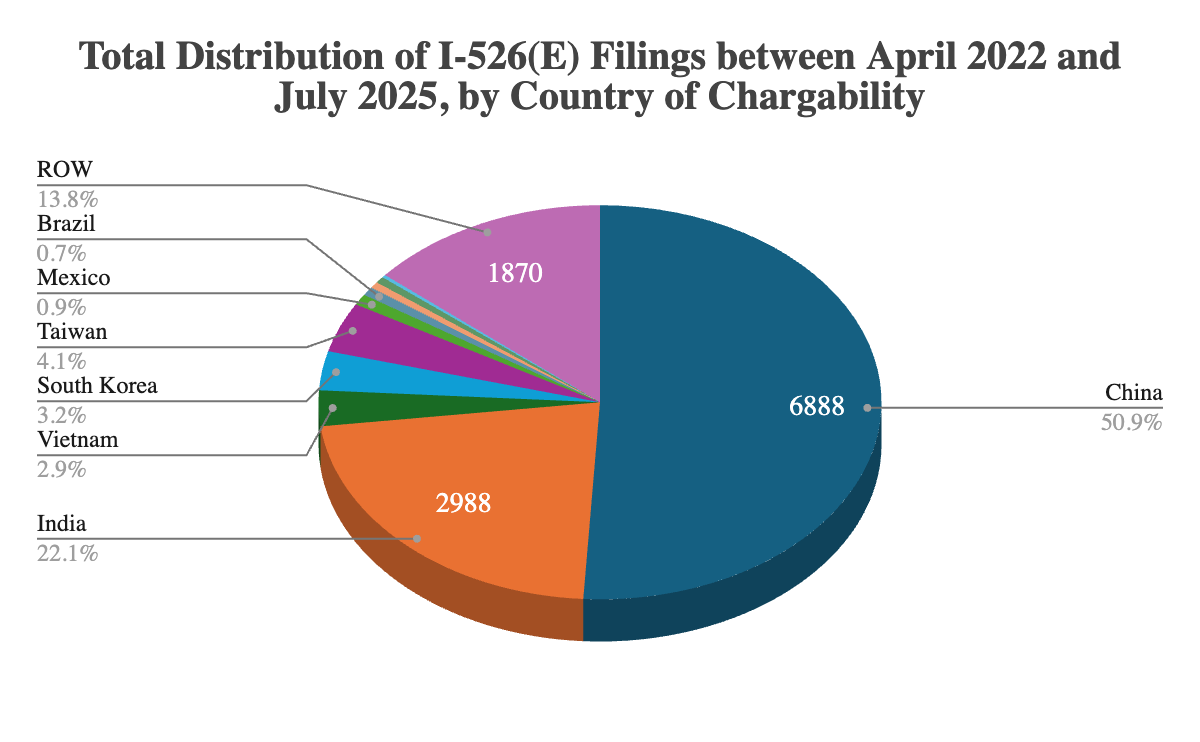
AIIA FOIA Series: Updated I-526E Inventory Statistics for July 2025
AIIA obtained new FOIA data through July 31, 2025 revealing how USCIS is actually processing EB-5 petitions, showing heavy prioritization of Rural cases, severe neglect of High Unemployment petitions, unclear handling of Infrastructure cases, and no imminent risk of Visa Bulletin cut-off dates in 2026 for set-aside categories. The data underscores serious transparency and processing failures at USCIS and highlights why continued AIIA advocacy and FOIA litigation are essential to protect EB-5 investors.
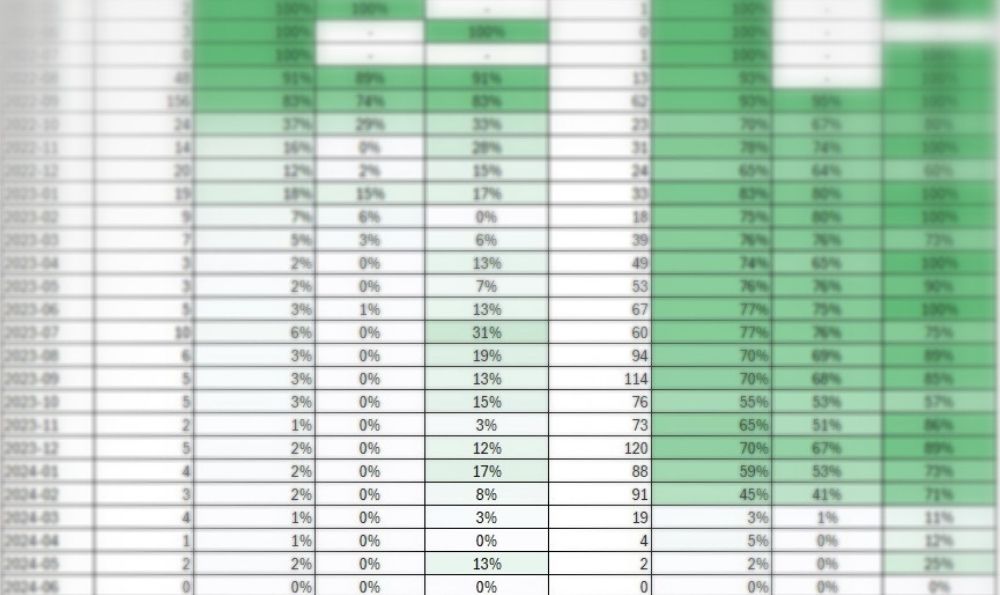
AIIA FOIA Series: Post RIA Petition Approval Statistics for January 2025
USCIS FOIA data shows post-RIA EB-5 adjudications are slow, with rural cases moving faster than high unemployment cases but both far from clearing the backlog—meaning long waits ahead, especially for HUA investors.
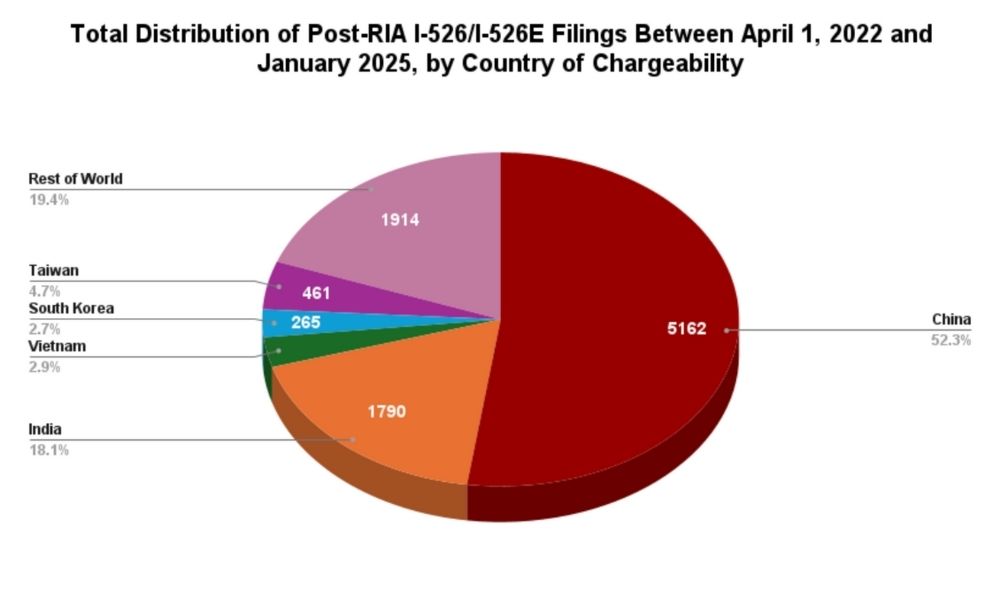
AIIA FOIA Series: Updated I-526E Inventory Statistics for January 2025
USCIS FOIA data obtained by AIIA shows post-RIA EB-5 demand far exceeds annual visa limits—about 10× for high unemployment and 4× for rural—creating long potential wait times, especially for China and India. We ask you to consider donating to sustain FOIA litigation and advocacy for investor transparency.

AIIA FOIA Series: Updated I-526E Inventory Statistics for July 2024
AIIA has filed FOIA requests to USCIS for data on I-526 and I-526E filings, revealing trends from April 2022 to July 2024. The data shows a rise in demand for high unemployment and rural TEA visas, with wait times increasing due to limited annual visa availability. The backlog is especially concerning for applicants from China and India.

AIIA FOIA Series: Pre-RIA I-526 Data as of July 2024
AIIA's recent FOIA requests have uncovered detailed data on pending EB-5 I-526 petitions as of July 2024, highlighting the backlog of pre-RIA investors, particularly from China, India, and the Rest of World. The data emphasizes the significant wait times for pre-RIA investors, while also shedding light on the growing backlog for post-RIA investors, especially from China, where there may not be enough visas to clear the backlog by 2030.

Courts Rule Against Regional Centers on Visa Rollover Lawsuit
A court ruling has blocked IIUSA's attempt to prevent the rollover of unused EB-5 set-aside visas into the unreserved category, ensuring more visas for pre-RIA investors, especially those from China and India, reducing their wait times. This decision preserves the status quo, benefiting past investors while maintaining potential backlogs for post-RIA set-aside investors, and AIIA continues to monitor the case and protect investor interests.
Overview of I-526E Statistics for March 2024
AIIA’s recent FOIA request reveals trends in EB-5 petition filings from April 2022 to early 2024, showing strong demand from China and India, with increasing interest from Latin America and Europe. The data highlights an imbalance, with High Unemployment Area petitions surpassing Rural petitions, especially in Colombia and Europe.

IIUSA Strikes Again: Visa Lawsuit Could Harm Immigrant Investors
AIIA is strongly opposing the lawsuit IIUSA v. Blinken, filed by IIUSA and regional centers, which aims to prevent the rollover of unused set-aside EB-5 visas into the unreserved category, arguing that it harms pre-RIA investors facing significant backlogs. While IIUSA claims this action will help set-aside investors, AIIA asserts that it will hurt pre-RIA investors by reducing available visas for those already waiting, and it ultimately seeks to change policy to benefit regional centers at the expense of the broader investor community.
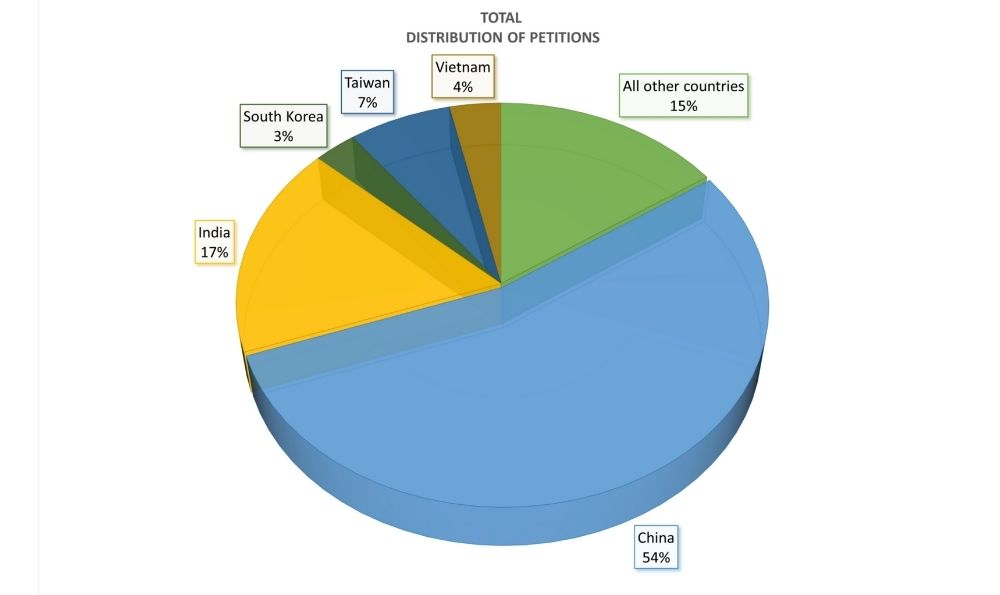
AIIA FOIA Series: Updated I-526E Inventory Statistics for 2023
AIIA presents a detailed data analysis on just how this new FOIA data means for post-RIA investors, read our blog and our webinar discussing this data on Youtube to learn more.

FOIA Request for Updated I-526E Inventory Statistics
In this blog, AIIA analyzes the newest batch of I-526E inventory data born from our previous FOIA litigation. We did a deep dive on the issue of "invisible backlog" and highlighted the lopsided demand and supply of Rural and High Unemployment Reserved EB-5 categories.
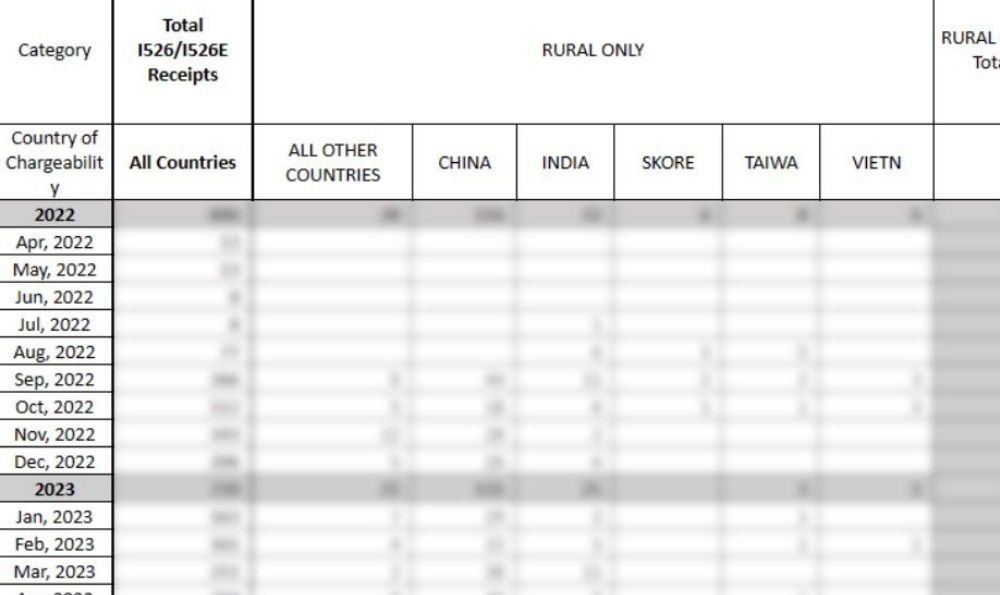
AIIA Obtains I-526E Inventory Data for Backlog Assessment
AIIA has now received a never before seen look at the I-526(E) petition inventory held at the USCIS as of April 2023. This data was obtained through a Freedom of Information Act (FOIA) request and litigated by AIIA. Now, we must continue the fight for transparency and continue to push USCIS for further information about EB-5 petition inventories and processing delays at USCIS.

Who Is Responsible for My EB-5 Delay?
Delays in the EB-5 immigration process are chronic issues which have accumulated into processing standstills for some EB-5 investors. AIIA has put together a guide to identify some of the largest of these delays, as well as to explain how we currently understand the EB-5 immigration process to be administered between the DHS and DoS.
For EB-5 Stakeholders
Featured Immigration Resources

Connect With A Professional
AIIA has curated a list of the top professionals from attorneys, investment specialists, to business plan writers to support all all EB-5 stakeholders
Directory of Professionals

AIIA has curated a list of the top professionals from attorneys, investment specialists, to business plan writers to support all all EB-5 stakeholders
View Directory of ProfessionalsFrequently Asked Questions
What is the EB-5 visa backlog, and why is it a problem?
The EB-5 visa backlog refers to the large number of pending visa applications awaiting review and approval at USCIS. This buildup causes prolonged waiting times for investors seeking permanent residency in the United States. The delays create uncertainty for families, disrupt investment timelines, and weaken confidence in the EB-5 program’s reliability and efficiency.
How does the visa backlog affect EB-5 investors?
For investors, the backlog can mean years of waiting before receiving visa approvals. This extended uncertainty affects family planning, educational opportunities, and business decisions. It also exposes investors to changing policies and market conditions during their wait, making it more difficult to manage their investment and immigration goals effectively.
How is AIIA advocating to resolve the EB-5 visa backlog?
AIIA is committed to advocating for systemic reforms that reduce delays and improve adjudication efficiency. This includes pressing USCIS and Congress to allocate sufficient resources for EB-5 processing, promoting policy changes that eliminate bottlenecks, and ensuring that the EB-5 program remains an attractive and credible immigration pathway for investors worldwide.
Get In Touch With Us
If you have any questions, inquiries, or collaboration proposals, please don’t hesitate to reach out to us.
 English
  Chinese
  Vietnamese