EB-5 Issue
EB-5 Policy and Oversight > Government Litigation
Lawsuits and legal battles with the U.S. Government
What We’re Fighting For
Government litigation emerges as a vital tool in driving reform within the realm of EB-5 immigration, with the American Immigrant Investor Alliance (AIIA) at the forefront of leveraging legal avenues for change. Recognizing that the United States holds the distinction of being the most litigious country globally, the AIIA strategically employs litigation to advance the cause of immigration reform. By filing amicus briefs with investors, AIIA contributes to shaping legal precedent and promoting accountability within the U.S. Citizenship and Immigration Services (USCIS).
In addition to mandamus efforts, AIIA utilizes government litigation to address nonresponses to Freedom of Information Act (FOIA) requests. FOIA serves as a crucial mechanism for accessing essential information and data from USCIS, fostering transparency within the immigration system. When faced with noncompliance or delays in responses to FOIA requests, AIIA engages in legal action to compel the release of essential information. These efforts underscore the Alliance’s commitment to transparency, holding government agencies accountable for providing necessary data to stakeholders.
Through these legal initiatives, the AIIA contributes to a more accountable and transparent immigration process, aligning with the broader context of litigation as an influential force in driving systemic reforms in the United States. By actively participating in litigation to address nonresponses to FOIA requests, AIIA reinforces its dedication to advocating for the rights and interests of EB-5 investors, contributing to a more transparent and accountable immigration process.
Newsroom
EB-5 Policy & Oversight News & Articles

Class Action Lawsuit Filed Against USCIS for EB-5 Fee Refunds
Did you pay inflated EB-5 filing fees after April 2024? AIIA has filed a federal class action lawsuit against USCIS to recover your money.

We Won The EB-5 Fee Increase Lawsuit
AIIA successfully won its lawsuit against USCIS’s April 2024 EB-5 fee increases, with a federal judge ruling that the agency unlawfully raised fees without conducting the required fee study and acted arbitrarily under the APA; the old, lower fees are now back in effect while litigation continues, and AIIA is exploring a potential class action to seek refunds for investors and regional centers who paid the higher fees.

August 2025 Update on the Sustainment Period Lawsuit – What EB-5 Investors Need to Do
AIIA opposed IIUSA’s lawsuit to extend the EB-5 sustainment period, filing an amicus brief that helped secure a ruling from Judge Reyes affirming the RIA’s two-year at-risk rule for post-RIA investors. USCIS will now draft formal regulations, and AIIA plans to mobilize investors during the public comment period to protect this interpretation from industry pushback.

The Fight to Protect Good Faith EB-5 Investors
The RIA was designed to protect “good faith” EB-5 investors when projects fail due to no fault of their own, but USCIS has failed to implement these protections, leading to lawsuits like those by AIIA co-founder Rajvir Batra and seven other investors. AIIA supports these legal actions to ensure timely notices, 180-day cure periods, and preservation of investors’ immigration status.

IIUSA Fails to Come to An Agreement with USCIS on Sustainment Period
AIIA is opposing an IIUSA lawsuit that could lengthen the EB-5 sustainment period for post-RIA investors, undermining the 2-year rule set by Congress. A recent hearing went poorly for our side, and while current rules remain in effect for now, a settlement or court ruling could revert to harmful pre-RIA timelines, so AIIA is preparing legal and advocacy actions to protect all investors.

Update on the IIUSA vs USCIS Sustainment Lawsuit
On Jan. 28, 2025, a court hearing in IIUSA v. USCIS cast doubt on DHS’s two-year sustainment interpretation, risking a return to pre-RIA rules with longer investment periods and redeployment risks. AIIA is fighting back with legal action and needs your support to protect EB-5 investors.

Courts Rule Against Regional Centers on Visa Rollover Lawsuit
A court ruling has blocked IIUSA's attempt to prevent the rollover of unused EB-5 set-aside visas into the unreserved category, ensuring more visas for pre-RIA investors, especially those from China and India, reducing their wait times. This decision preserves the status quo, benefiting past investors while maintaining potential backlogs for post-RIA set-aside investors, and AIIA continues to monitor the case and protect investor interests.

IIUSA Strikes Again: Visa Lawsuit Could Harm Immigrant Investors
AIIA is strongly opposing the lawsuit IIUSA v. Blinken, filed by IIUSA and regional centers, which aims to prevent the rollover of unused set-aside EB-5 visas into the unreserved category, arguing that it harms pre-RIA investors facing significant backlogs. While IIUSA claims this action will help set-aside investors, AIIA asserts that it will hurt pre-RIA investors by reducing available visas for those already waiting, and it ultimately seeks to change policy to benefit regional centers at the expense of the broader investor community.
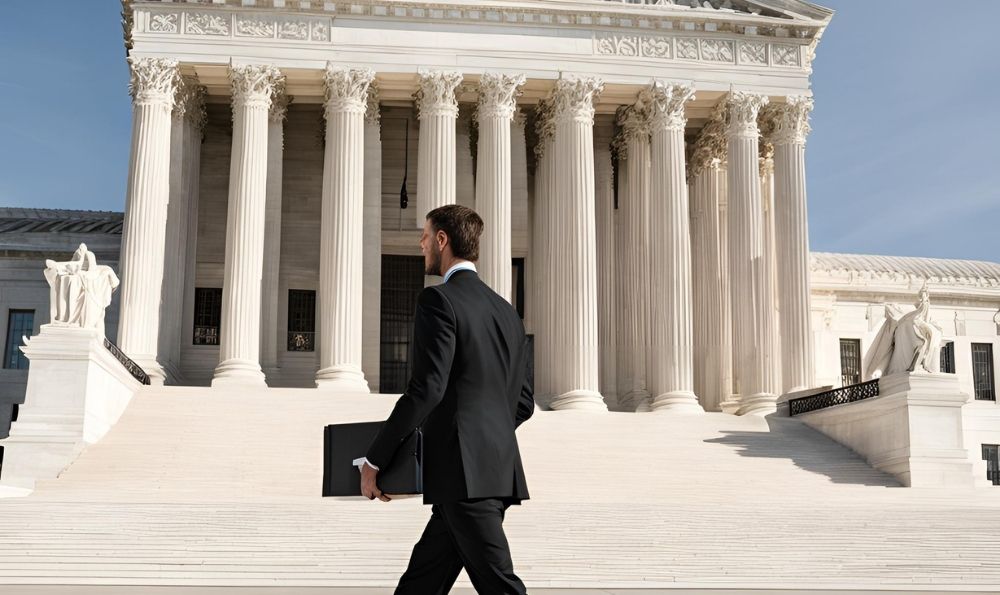
AIIA Goes to the Supreme Court: Our Amicus Brief in Bouarfa v. Mayorkas
AIIA is advocating for immigrant investors' rights to challenge USCIS decisions in federal court, particularly regarding the revocation of approved EB-5 petitions, which USCIS argues should be immune from judicial review. The Supreme Court is set to hear the case Bouarfa v. Mayorkas to decide whether these revocations can be appealed, and AIIA has filed an amicus brief to support investors' right to contest such decisions.

Analysis of the IIUSA vs USCIS Suit on EB-5 Sustainment Period (Part 2)
Read part 2 of our two-part analysis on IIUSA's sustainment lawsuit complaint regarding why we believe their logic is faulty, and what we plan to do to make sure EB-5 investors' rights are protected in the process.

Analysis of the IIUSA vs USCIS suit on EB-5 Sustainment Period (Part 1)
Read part 1 of our two-part analysis on IIUSA's sustainment lawsuit complaint regarding why we believe their logic is faulty, and what we plan to do to make sure EB-5 investors' rights are protected in the process.

Regional Centers File Lawsuit to Revert Sustainment Period Rules for Post-RIA Investors
IIUSA, an organization representing a number of EB-5 regional centers, have just filed a lawsuit against USCIS over this updated sustainment period clarification. We believe that this lawsuit has the potential to gravely undermine the financial interests of EB-5 investors.
For EB-5 Stakeholders
Featured EB-5 Policy & Oversight Resources

Connect With A Professional
AIIA has curated a list of the top professionals from attorneys, investment specialists, to business plan writers to support all all EB-5 stakeholders
Directory of Professionals

AIIA has curated a list of the top professionals from attorneys, investment specialists, to business plan writers to support all all EB-5 stakeholders
View Directory of ProfessionalsFrequently Asked Questions
Why does AIIA engage in government litigation related to the EB-5 program?
AIIA uses litigation as a strategic tool to promote transparency, accountability, and reform within the EB-5 system. By taking legal action against unfair practices, delays, or noncompliance by government agencies, AIIA ensures that EB-5 investors’ rights are protected and that the U.S. Citizenship and Immigration Services (USCIS) operates under consistent and lawful standards.
How does AIIA’s legal advocacy benefit EB-5 investors?
Through litigation, AIIA directly defends the rights and interests of EB-5 investors. Legal actions help expose inefficiencies, clarify regulations, and force agencies to uphold their responsibilities. By driving systemic reforms through the courts, AIIA ensures that EB-5 investors can rely on a more transparent, predictable, and fair immigration process.
Does litigating the US government negatively impact my EB-5 case?
Litigating against the government, regardless of whether you win the case or not, typically does not affect the validity of your case and immigration status.
Get In Touch With Us
If you have any questions, inquiries, or collaboration proposals, please don’t hesitate to reach out to us.
 English
  Chinese
  Vietnamese