EB-5 Issue
Investment and Securities
Problems immigrant investors face with their EB-5 Investment
What We’re Fighting For
The reform of EB-5 securities law is crucial for safeguarding the interests of EB-5 investors and fostering a more transparent and secure investment environment. One of the key issues that necessitate reform is the concept of sustainment periods. The current regulations impose stringent requirements on EB-5 investors to sustain their investment for a specified period, often hindering their ability to navigate changing circumstances or market conditions. Reforming sustainment periods can provide investors with greater flexibility, allowing them to adapt their investments to evolving economic landscapes without compromising their eligibility for permanent residency.
Redeployment is another significant concern within the EB-5 program. The current regulations lack clarity on how funds should be redeployed after the initial investment period, leading to potential challenges for investors seeking to meet program requirements. Reforming these securities laws to provide explicit guidance on redeployment practices would offer investors more certainty and prevent undue complications in managing their investments. Clearer guidelines can also contribute to more efficient capital utilization, benefiting both investors and the projects they support.
Repayment issues further underscore the need for reform in EB-5 related securities laws. Ambiguities surrounding the timing and terms of repayment can create uncertainties for investors, impacting their ability to plan and manage their finances effectively. By addressing repayment concerns through comprehensive reform, the EB-5 program can attract more investors and enhance its reputation as a reliable and investor-friendly initiative. Ultimately, a well-reformed regulatory framework would not only protect the interests of EB-5 investors but also contribute to the program’s long-term success and positive impact on the U.S. economy.
Newsroom
Investment and Securities News & Articles
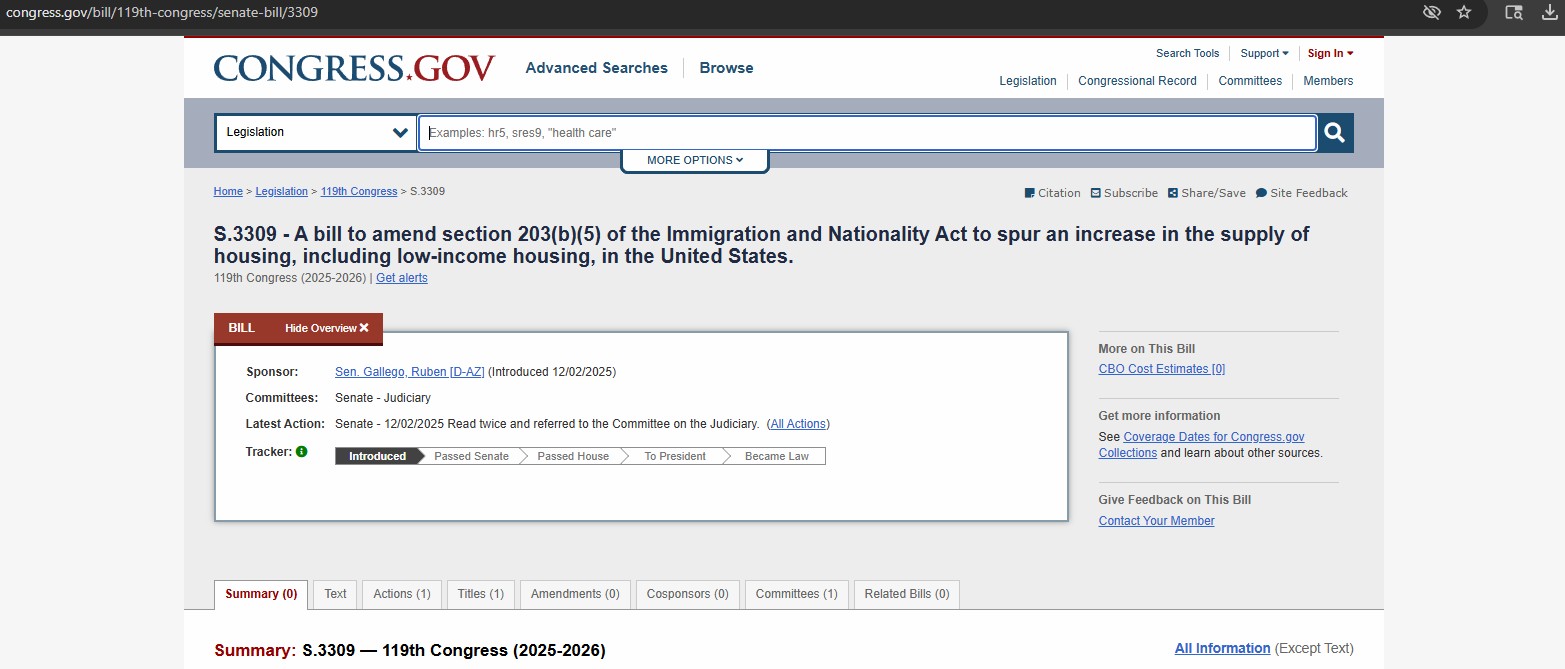
We Congratulate Senator Gallego for New Legislation that Leverages the EB-5 Program to Build Affordable Housing
Sen. Gallego's EB-5 bill mobilizes foreign capital to build affordable housing. This collaboration has boosted AIIA's Congressional ties & credibility in this space.

August 2025 Update on the Sustainment Period Lawsuit – What EB-5 Investors Need to do
AIIA opposed IIUSA’s lawsuit to extend the EB-5 sustainment period, filing an amicus brief that helped secure a ruling from Judge Reyes affirming the RIA’s two-year at-risk rule for post-RIA investors. USCIS will now draft formal regulations, and AIIA plans to mobilize investors during the public comment period to protect this interpretation from industry pushback.

IIUSA fails to come to an agreement with USCIS on sustainment period
AIIA is opposing an IIUSA lawsuit that could lengthen the EB-5 sustainment period for post-RIA investors, undermining the 2-year rule set by Congress. A recent hearing went poorly for our side, and while current rules remain in effect for now, a settlement or court ruling could revert to harmful pre-RIA timelines, so AIIA is preparing legal and advocacy actions to protect all investors.

Update on the IIUSA vs USCIS Sustainment Lawsuit
On Jan. 28, 2025, a court hearing in IIUSA v. USCIS cast doubt on DHS’s two-year sustainment interpretation, risking a return to pre-RIA rules with longer investment periods and redeployment risks. AIIA is fighting back with legal action and needs your support to protect EB-5 investors.

Analysis of the IIUSA vs USCIS suit on EB-5 Sustainment Period (Part 2)
Read part 2 of our two-part analysis on IIUSA's sustainment lawsuit complaint regarding why we believe their logic is faulty, and what we plan to do to make sure EB-5 investors' rights are protected in the process.

Analysis of the IIUSA vs USCIS suit on EB-5 Sustainment Period (Part 1)
Read part 1 of our two-part analysis on IIUSA's sustainment lawsuit complaint regarding why we believe their logic is faulty, and what we plan to do to make sure EB-5 investors' rights are protected in the process.

Regional Centers file lawsuit to revert sustainment period rules for post-RIA investors
Invest in the USA (IIUSA), an organization representing a number of EB-5 regional centers, have just filed a lawsuit against USCIS over this updated sustainment period clarification. We believe that this lawsuit has the potential to gravely undermine the financial interests of EB-5 investors, read this blog to find out why.

How to financially prepare for an EB-5 investment while working on the H-1B
In this guide co-written by Vrishin from CapitalWe and AIIA, we explored the different methods which prospective EB-5 investors on H1-B visa can best prepare for their eventual investment.
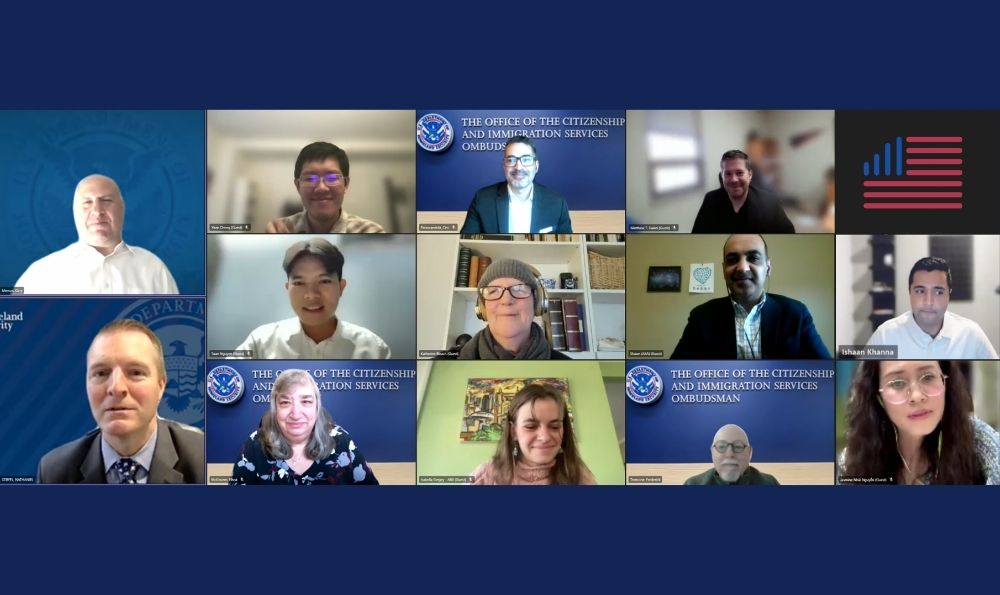
AIIA Holds Second Meeting with CIS Ombudsman’s Office
AIIA’s second meeting with the Citizenship and Immigrant Services Ombudsman (CISOMB) covered topics such as the sustainment period, aging out, source and path of funds issues, as well as transparency with EB-5 investors regarding petition intake and adjudications.

AIIA meets with CIS Ombudsman
The AIIA Team attended their first meeting hosted by the CIS Ombudsman on October 6th, where the team discussed all kinds of issues affecting the EB-5 investor community. Predominantly, delays and stunted processing times for EB-5 petitions are the root of most issues facing immigrant investors, causing dangerously high spikes in the rate of redeployment, petition denials, and aging out.

Injunction filed on Florida Alien Land Law that has potential impact on EB-5 investors
Xenophobia dominated Florida’s gubernatorial offices when a law to ban investments and property acquisition by citizens of “countries of interest” passed this month. What this bill really signifies is a racist effort to violate the constitutional rights of primarily Chinese immigrants living, working, and investing in the state. AIIA analyzes the risks of future EB-5 investment made in Florida and any negative impacts expected on the investor’s EB-5 journey.
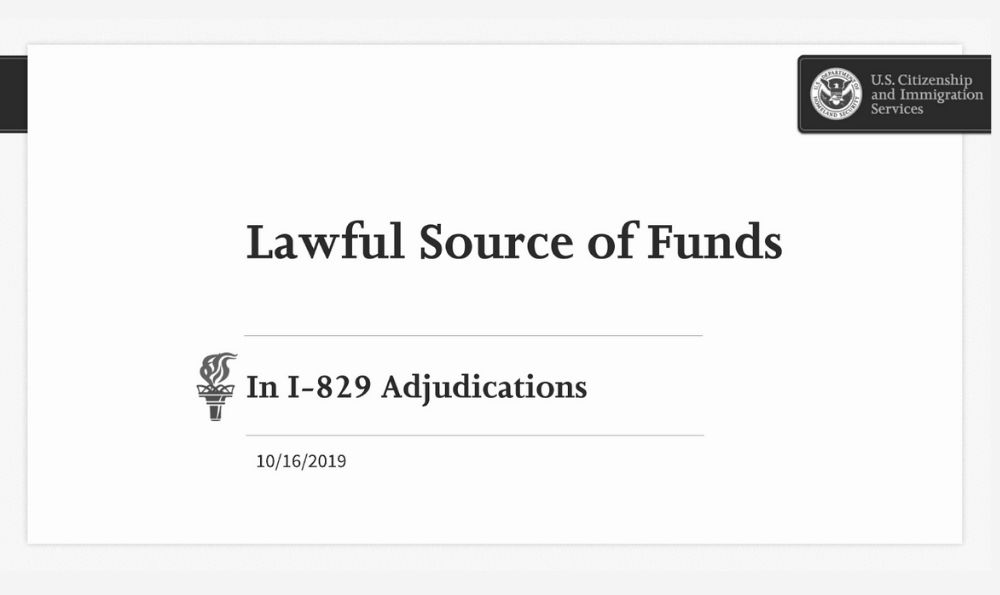
AIIA FOIA Series: Source of Funds Review at I-829 stage
USCIS has provided some information on the re-adjudication of Source of Funds are I-829 stage, but much of it is redacted. The article also focuses on the issue of re-examining the source of funds and path of funds used by investors. AIIA says that this scrutiny can be unfair to investors who used informal methods to transfer funds.
Issues Within Investment and Securities
Select any of the issues before to access resources, news articles, and blog posts about that issue.
For EB-5 Stakeholders
Featured Investment and Securities Resources

The Dark Side of EB-5 - A Summary of the Risks Involved
The "at-risk" requirement, redeployment clauses, potential fraud, delayed processing, petition denials, and children aging out.
Learn More
EB-5 Investors Have the Right to Sue for Recovery of Their Investment In U.S. Courts
Non-citizens, including EB-5 investors, have strong constitutional rights in the U.S. — including due process and the right to sue — and pursuing litigation generally does not harm immigration outcomes. Investors should understand venue rules, review their contracts, and document any threats or retaliation, as litigation is often the only effective remedy when issuers delay repayment, mismanage funds, or engage in misconduct.
Learn More
Securities and Corporate Law vs. Immigration Law in the EB-5 Context
EB-5 investment disputes and immigration outcomes involve separate legal systems, so pursuing litigation against an issuer typically does not harm an investor’s immigration case. Investors should act quickly if they suspect fraud or project issues, since delays can jeopardize both their capital and immigration status.
Learn More
Premature Withdrawal from an EB-5 Project
Early EB-5 withdrawals are usually difficult because funds are deployed into the project and must remain “at risk,” but investors may pursue repayment only when contracts are violated or the issuer’s refusal lacks legitimate business justification. Litigation is possible in limited cases, though investors must show strong evidence or risk denial and additional legal costs.
Learn More
Preparing for Litigation against an EB-5 Regional Center
Successful EB-5 litigation depends on thorough documentation, so investors should save all records—from contracts to messages—and maintain clear timelines to strengthen any future claims. Foreign-language evidence must be professionally translated, as errors or missing documents can seriously weaken a case.
Learn More
How to find a good EB-5 Litigation Attorney
Choose an attorney with EB-5 and litigation experience who is organized, detail-oriented, and avoids making guarantees. You may need a securities or corporate lawyer depending on your case. AIIA can connect you with vetted attorneys.
Learn More
Strength in Numbers: Pooled Litigation
Pooling EB-5 litigation can reduce costs, but investors must align on goals, ensure confidentiality rules aren’t violated, and work closely with attorneys to form a unified group. Successful pooled cases require shared interests, strong organization, and a capable leadership team, while all members must be ready for the time, disclosure, and complexity involved.
Learn More
Class Action Litigation in EB-5
Class actions let one investor represent all similarly harmed investors, offering greater leverage and typically lower financial risk than pooled lawsuits, but they are far more complex and must meet strict criteria like numerosity, typicality, and superiority. When qualified class-action counsel takes a case on contingency, it often signals strong confidence in the case’s merits.
Learn More
Cost of Litigation in EB-5
Litigation is expensive, but investors can reduce costs by working together and using attorneys who offer contingency or hybrid fee structures—sometimes supported by third-party litigation funders. While these options lower upfront expenses, they typically require giving up a portion of any recovery, and strong preparation remains critical to winning a case.
Learn More
Arbitration Realities: What EB-5 Investors Need to Know
Most EB-5 investors are bound by mandatory arbitration clauses in their PPMs, requiring disputes to be resolved through forums like AAA or JAMS instead of court. While arbitration can be faster and cheaper, issuers sometimes use high arbitration fees to deter claims, making experienced counsel essential to evaluate whether arbitration is truly required.
Learn More
“Privity” in EB-5 Litigation
EB-5 issuers often design complex structures and narrow “privity” relationships to make litigation difficult, forcing investors into uphill battles and unfavorable jurisdictions like New York or Delaware. Even so, investors can still pursue claims—including derivative suits—when they can show misconduct by parties outside direct privity, backed by strong contract-based evidence.
Learn More
The Redeployment Conundrum
Redeployment litigation arises when NCE managers reinvest EB-5 funds without proper judgment, exposing investors to unnecessary risk despite broad contractual discretion. Investors may have claims—especially when managers act in bad faith, conduct poor due diligence, or force redeployment decisions that jeopardize immigration or financial outcomes.
Learn MoreConnect With A Professional
AIIA has curated a list of the top professionals from attorneys, investment specialists, to business plan writers to support all all EB-5 stakeholders
Directory of Professionals

AIIA has curated a list of the top professionals from attorneys, investment specialists, to business plan writers to support all all EB-5 stakeholders
View Directory of ProfessionalsFAQ
What is the sustainment period?
The sustainment period refers to the minimum time EB-5 investors must keep their capital invested in a qualifying project to maintain immigration eligibility. Current rules often lack flexibility, forcing investors to keep funds tied up in projects longer than anticipated, even when circumstances change. AIIA advocates for a more adaptable and investor-friendly sustainment period that reflects economic realities while still meeting program goals.
What does “redeployment” mean in the EB-5 context, and why is it problematic?
Redeployment occurs when an investor’s EB-5 funds are reinvested into a new project after the original project concludes, often due to USCIS’s long processing time and visa backlogs. However, current guidance on redeployment is vague and inconsistent, leaving investors uncertain about what qualifies as compliant reinvestment. AIIA advocates for clear, written rules on redeployment to prevent confusion and ensure funds are used responsibly and transparently.
How do repayment issues affect EB-5 investors?
Ambiguities around when and how investors can be repaid after meeting EB-5 requirements create uncertainty and financial stress. Some investors face long delays in receiving returns or encounter unclear terms that make planning difficult. Reforming repayment guidelines would ensure predictable, fair, and transparent repayment processes, giving investors the confidence needed to participate in the program.
Get In Touch With Us
If you have any questions, inquiries, or collaboration proposals, please don’t hesitate to reach out to us.
 English
  Chinese
  Vietnamese