EB-5 Issue
Immigration > Processing Delays
Slow petition processing, procedural delays, and other updates on government oversight
What We’re Fighting For
The persistent issue of slow EB-5 visa processing at U.S. Citizenship and Immigration Services (USCIS) and the Immigrant Investor Program Office (IPO) remains a formidable challenge, impeding the aspirations of EB-5 investors and their families and stunting the efficacy of the EB-5 program as a whole. The prolonged processing times for EB-5 petitions creates an environment of uncertainty for investors, delaying their ability to achieve lawful permanent residency in the United States. This slow-paced processing adversely impacts the financial and personal plans of investors, diminishing the attractiveness of the EB-5 program as a viable immigration pathway overseas.
Moreover, the delayed processing of EB-5 visas disrupts the economic vitality of projects funded through the program. Project developers and regional centers, reliant on timely capital injections from EB-5 investors, also face significant hurdles when confronted with extended processing times. These delays can yield increased costs for investor legal expenses, lose families employment and personal opportunities, and create challenges in meeting job creation and source of funds requirements. A more efficient and expeditious visa processing system is essential to uphold the integrity and reliability of the EB-5 program, ensuring that investors can navigate the immigration process with predictability and confidence in USCIS’s services.
Addressing the issue of slow EB-5 visa processing requires a multi-faceted approach, encompassing procedural reforms and resource allocation. Streamlining adjudication processes, optimizing USCIS workflows, and dedicating adequate resources to handle the increasing volume of EB-5 applications are crucial steps toward expediting visa processing. AIIA’s advocacy efforts focus on fostering collaboration between EB-5 investors, the EB-5 industry, and the US government to implement reforms that enhance the speed and efficiency of the EB-5 visa processing system. By prioritizing and rectifying the challenges associated with slow processing, the EB-5 program can better fulfill its objectives and continue to contribute positively to the U.S. economy.
Newsroom
Processing Delays News & Articles
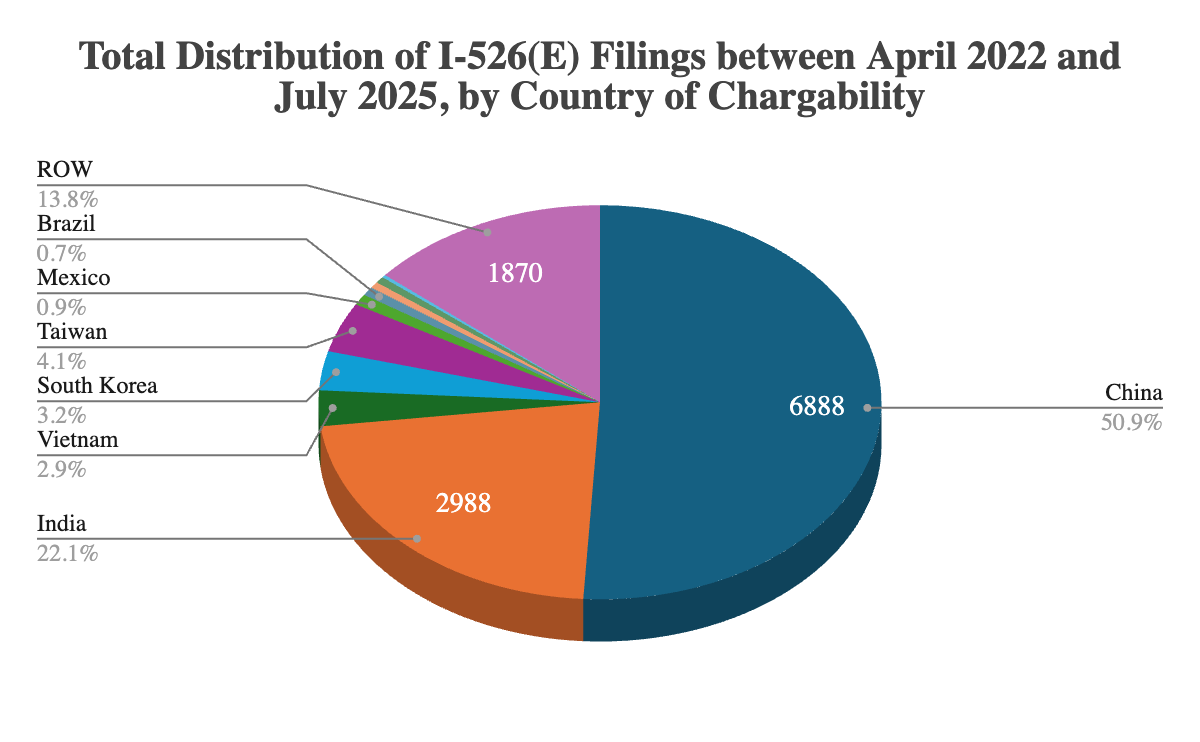
AIIA FOIA Series: Updated I-526E Inventory Statistics for July 2025
AIIA obtained new FOIA data through July 31, 2025 revealing how USCIS is actually processing EB-5 petitions, showing heavy prioritization of Rural cases, severe neglect of High Unemployment petitions, unclear handling of Infrastructure cases, and no imminent risk of Visa Bulletin cut-off dates in 2026 for set-aside categories. The data underscores serious transparency and processing failures at USCIS and highlights why continued AIIA advocacy and FOIA litigation are essential to protect EB-5 investors.

AIIA Holds Second Meeting with CIS Ombudsman’s Office
AIIA’s second meeting with the Citizenship and Immigrant Services Ombudsman (CISOMB) covered topics such as the sustainment period, aging out, source and path of funds issues, as well as transparency with EB-5 investors regarding petition intake and adjudications.

AIIA meets with CIS Ombudsman
The AIIA Team attended their first meeting hosted by the CIS Ombudsman on October 6th, where the team discussed all kinds of issues affecting the EB-5 investor community. Predominantly, delays and stunted processing times for EB-5 petitions are the root of most issues facing immigrant investors, causing dangerously high spikes in the rate of redeployment, petition denials, and aging out.

Who is responsible for my EB-5 delay?
Delays in the EB-5 immigration process are chronic issues which have accumulated into processing standstills for some EB-5 investors. AIIA has put together a guide to identify some of the largest of these delays, as well as to explain how we currently understand the EB-5 immigration process to be administered between the DHS and DoS.

Solving the Visa Backlog Problem
With so many issues prevalent in the U.S. immigration process, visa backlogs have dominated the concerns of Eb-5 immigrants everywhere. AIIA analyzes and outlines the different institutional fixes proposed to fix EB-5’s backlog program based on their respective merits, feasibility, and favorability. If any of these solutions are implemented within the next year, the EB-5 program could see a massive overhaul of approvals and processed petitions.

How long must pre-RIA EB-5 applicants expect to wait for a visa?
AIIA utilizes the data we have gathered through our recent FOIA campaigns to offer EB-5 investors an overall estimation on the expected wait time of EB-5 investors from backlogged countries based on historical data trends. With USCIS current petition processing times, the outlooks for most retrogressed immigrants is grim, considering little has been done since the passage of the RIA to remediate wait times.
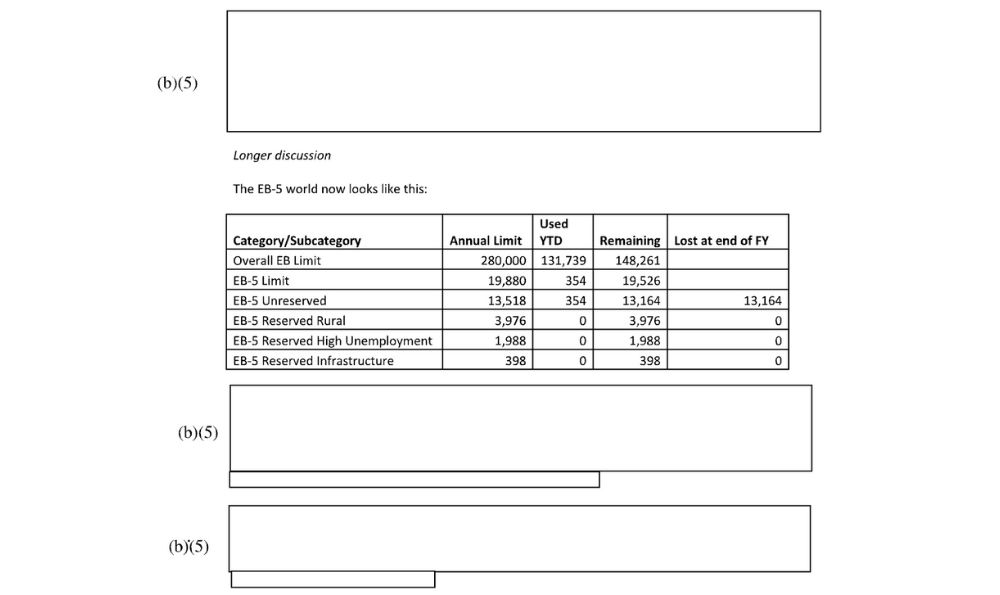
The EB-5 Visa Backlog Problem
In Part two of the Visa Backlog Series, AIIA outlines the inherit factors that contribute to the emergence of visa backlog within the EB-5 program. These factors include the existence of national caps and EB-5 categories, slow processing speed, and so on.
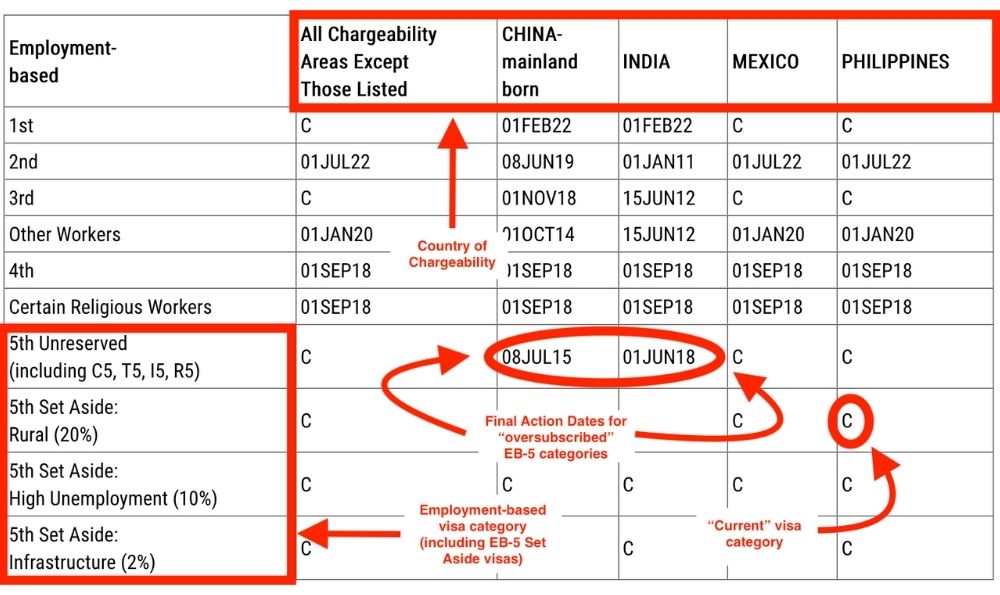
How does the Visa Bulletin work for EB-5 investors?
In this first installment of the Visa Backlog series, AIIA offers a comprehensive introduction to the EB-5 program, how the visa bulletin plays into it, as well as how EB-5 investors should interpret the visa bulletin in lieu of their own priority dates. This information should be especially important to investors who face extended backlog based on their country of chargeability.
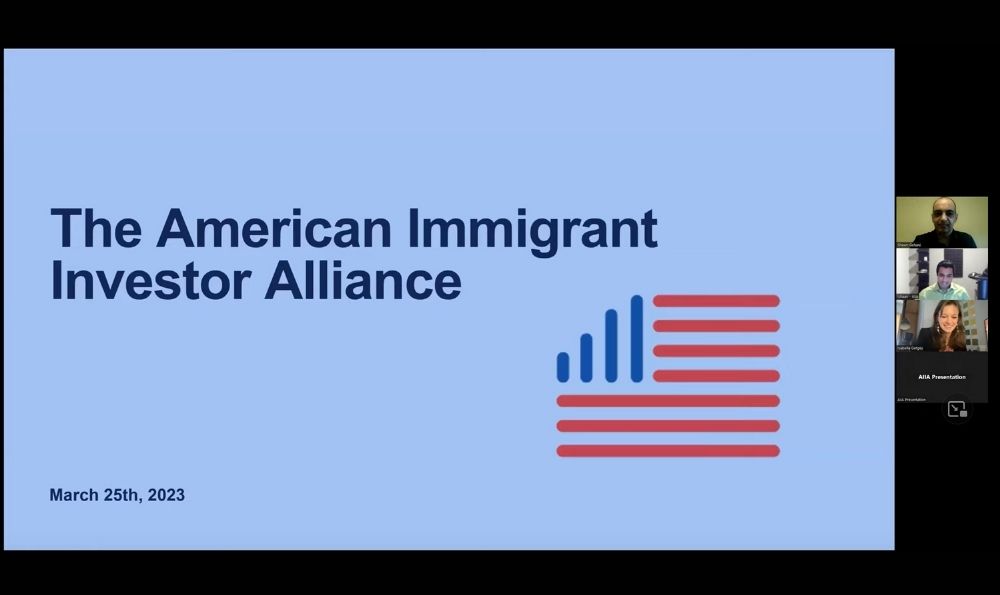
Public webinar on AIIA’s next phase of advocacy efforts
Watch the first AIIA webinar since the program lapse. During which we discussed important, outstanding issues of the EB-5 program, including processing efficiency, visa backlog, sustainment and redeployment, and the lack of transparency.
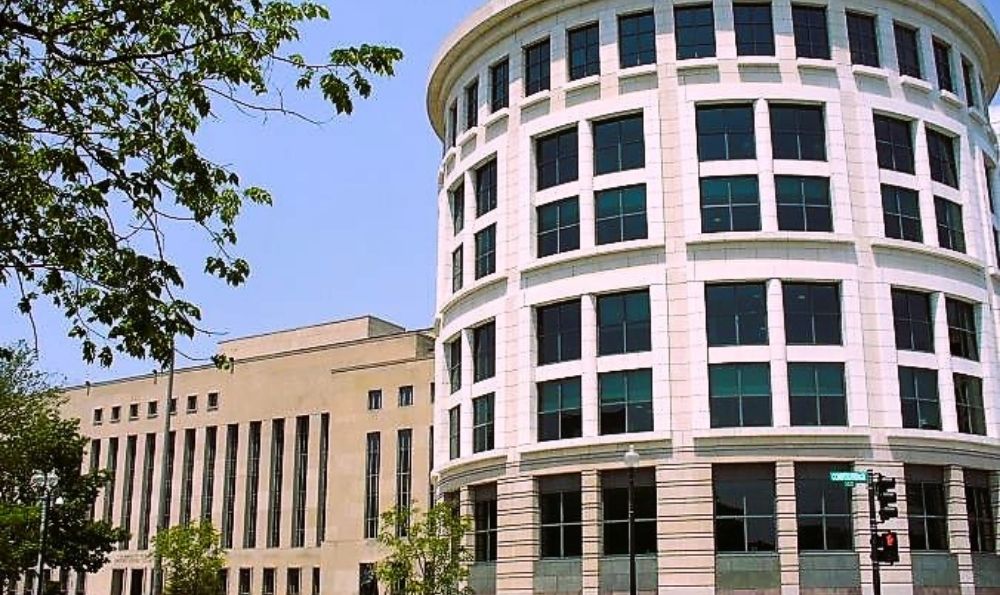
AIIA files Amicus Brief to support investor Mandamus efforts
AIIA is backing a lawsuit by EB-5 investors against USCIS for delays in processing their petitions. These investors are suing to force USCIS to finally process their EB-5 petitions, which have been experiencing long delays.
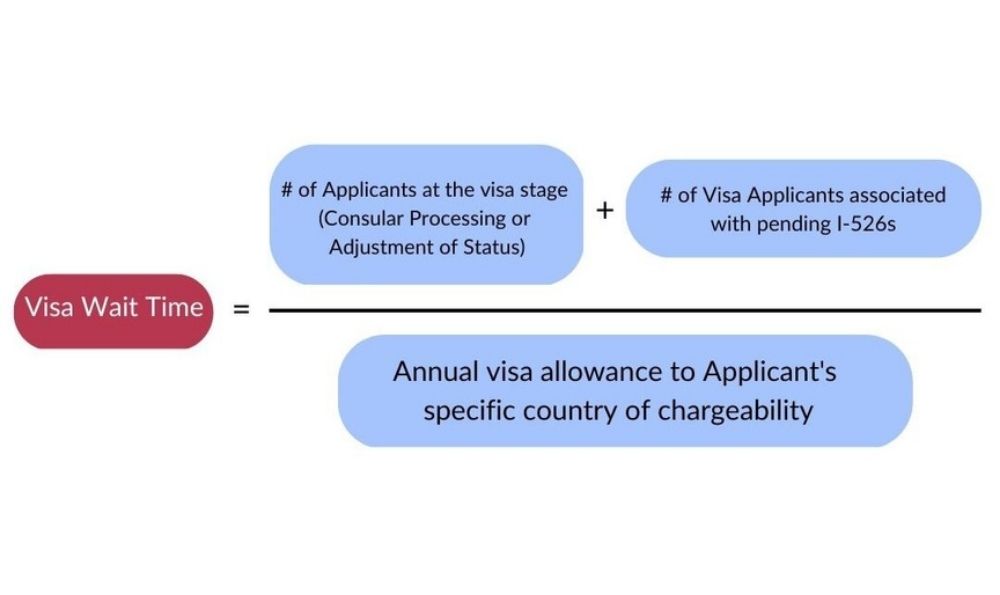
AIIA FOIA Series: Pending I-526 and I-829 petitions by country
The data AIIA received through a FOIA request shows the number of pending I-526 and I-829 petitions by country revealing the backlog of EB-5 petitions waiting to be processed by USCIS. The information can be used to estimate visa wait times for EB-5 investors.
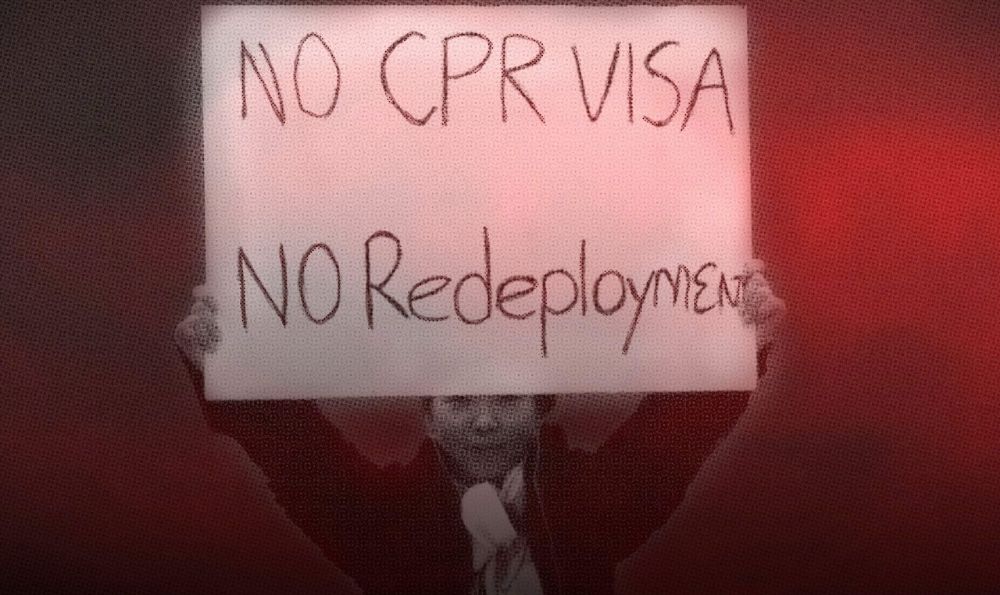
The Nightmare that is Redeployment
A summary of the EB-5 redeployment issue discussing how EB-5 investors must keep their money invested for a certain amount of time. This can be a problem for investors because the processing time for EB-5 petitions can be very long. AIIA is lobbying for changes to the redeployment policy that would benefit investors.
For EB-5 Stakeholders
Featured Processing Delay Resources

File an Expedite Request for the EB-5 petition
EB-5 expedite requests are limited to project or individual cases, requiring strong evidence like financial loss, humanitarian need, or national interest for USCIS approval.
Learn More
Writ of Mandamus (WOM) for Delayed EB-5 Processing
A Writ of Mandamus compels USCIS to act on delayed EB-5 petitions, but requires legal expertise and offers no guarantee of faster processing.
Learn More
The Issue of Aging Out in EB-5
The Child Status Protection Act (CSPA) helps freeze a child’s age on EB-5 petitions, but long visa backlogs still risk children aging out and losing immigration eligibility.
Learn MoreConnect With A Professional
AIIA has curated a list of the top professionals from attorneys, investment specialists, to business plan writers to support all all EB-5 stakeholders
Directory of Professionals

AIIA has curated a list of the top professionals from attorneys, investment specialists, to business plan writers to support all all EB-5 stakeholders
View Directory of ProfessionalsFrequently Asked Questions
Why is slow visa processing such a major issue for EB-5 investors?
Prolonged processing times at USCIS and the Immigrant Investor Program Office (IPO) create deep uncertainty for EB-5 investors and their families. These delays postpone lawful permanent residency, disrupt financial planning, and can cause families to miss educational or employment opportunities. The unpredictability also discourages potential investors abroad, weakening confidence in the EB-5 program as a reliable immigration option.
How do slow processing times affect EB-5 projects and regional centers?
Extended delays impact not only investors but also project developers and regional centers that depend on EB-5 capital for economic growth. When investor petitions are stuck in long queues, projects may face funding shortages, increased administrative costs, and difficulties meeting job creation or compliance requirements. The resulting uncertainty can slow local economic development and diminish the EB-5 program’s overall impact.
What steps can be taken to improve EB-5 visa processing times?
Solutions include streamlining USCIS adjudication procedures, improving internal workflows, and allocating more staff and resources to handle the EB-5 caseload. Enhanced training, better technology systems, and clear accountability metrics could also make processing more predictable and efficient. These measures would allow investors and developers to plan with confidence and reduce the economic disruptions caused by long wait times.
How is AIIA addressing the issue of slow EB-5 visa processing?
AIIA actively advocates for procedural reform and increased government efficiency through direct engagement with policymakers, public transparency efforts, and coalition-building within the EB-5 community. By highlighting the real-world impacts of slow processing and pushing for targeted improvements at USCIS and IPO, AIIA works to ensure that EB-5 investors receive timely, fair, and transparent adjudications.
Get In Touch With Us
If you have any questions, inquiries, or collaboration proposals, please don’t hesitate to reach out to us.
 English
  Chinese
  Vietnamese