EB-5 Issue
Investment and Securities > Sustainment and Redeployment
Issues with redeployment and sustainment of EB-5 investment capital
What We’re Fighting For
The convoluted landscape of EB-5 investments is exemplified by the ever-present issues caused by redeployment and sustainment periods. Both of these practices have created a system where financial imperatives and regulatory demands clash, often to the detriment of investors and the integrity of the EB-5 program itself. A culture of financial scrutiny, intertwined with a regulatory framework lacking in adaptability, has led to a scenario where the redeployment of capital after the initial investment becomes a formidable challenge. The politicization of economic policies and a lack of evidence-based evaluation result in a one-way march towards ever more complex redeployment strategies.
Investors navigating the EB-5 world find themselves trapped in a web of uncertainties, where the need for sustained job creation collides with the realities of capital redeployment in an ever-shifting economic landscape. The financial stakes are monumental, and the burden falls disproportionately on those who seek to secure their future in the United States through lawful investment channels. However, the recent political shifts and evolving EB-5 market have combined to create a pivotal juncture, perhaps the best opportunity in years, to reassess and reform the practice of sustained investments.
Far too many investors are left grappling with the challenges of redeploying capital in manners that comply with regulatory requirements while striving to maintain their funds. The opaque nature of redeployment strategies and the associated sustainment periods often jeopardize the financial health and security of investors. The effects of such challenges, particularly on projects aiming to create jobs and stimulate economic growth, are well known. Investors face significant financial hurdles and uncertainties, contributing to needless economic strain and, in some cases, the failure of promising ventures.
Investors’ rights to transparent information, reliable investment options, and a fair and predictable regulatory environment are often curtailed beyond what is necessary for program integrity. Not only are these activities crucial for investors to retain trust in the EB-5 program, but they also contribute to the overall success and sustainability of the program by fostering confidence among potential investors. The need for reform and a recalibration of the EB-5 landscape is evident, urging stakeholders to collaborate on solutions that strike a balance between economic vitality and regulatory compliance.
Newsroom
Investment and Securities News & Articles

August 2025 Update on the Sustainment Period Lawsuit – What EB-5 Investors Need to do
AIIA opposed IIUSA’s lawsuit to extend the EB-5 sustainment period, filing an amicus brief that helped secure a ruling from Judge Reyes affirming the RIA’s two-year at-risk rule for post-RIA investors. USCIS will now draft formal regulations, and AIIA plans to mobilize investors during the public comment period to protect this interpretation from industry pushback.

IIUSA fails to come to an agreement with USCIS on sustainment period
AIIA is opposing an IIUSA lawsuit that could lengthen the EB-5 sustainment period for post-RIA investors, undermining the 2-year rule set by Congress. A recent hearing went poorly for our side, and while current rules remain in effect for now, a settlement or court ruling could revert to harmful pre-RIA timelines, so AIIA is preparing legal and advocacy actions to protect all investors.

Update on the IIUSA vs USCIS Sustainment Lawsuit
On Jan. 28, 2025, a court hearing in IIUSA v. USCIS cast doubt on DHS’s two-year sustainment interpretation, risking a return to pre-RIA rules with longer investment periods and redeployment risks. AIIA is fighting back with legal action and needs your support to protect EB-5 investors.

Analysis of the IIUSA vs USCIS suit on EB-5 Sustainment Period (Part 2)
Read part 2 of our two-part analysis on IIUSA's sustainment lawsuit complaint regarding why we believe their logic is faulty, and what we plan to do to make sure EB-5 investors' rights are protected in the process.

Analysis of the IIUSA vs USCIS suit on EB-5 Sustainment Period (Part 1)
Read part 1 of our two-part analysis on IIUSA's sustainment lawsuit complaint regarding why we believe their logic is faulty, and what we plan to do to make sure EB-5 investors' rights are protected in the process.

Regional Centers file lawsuit to revert sustainment period rules for post-RIA investors
Invest in the USA (IIUSA), an organization representing a number of EB-5 regional centers, have just filed a lawsuit against USCIS over this updated sustainment period clarification. We believe that this lawsuit has the potential to gravely undermine the financial interests of EB-5 investors, read this blog to find out why.
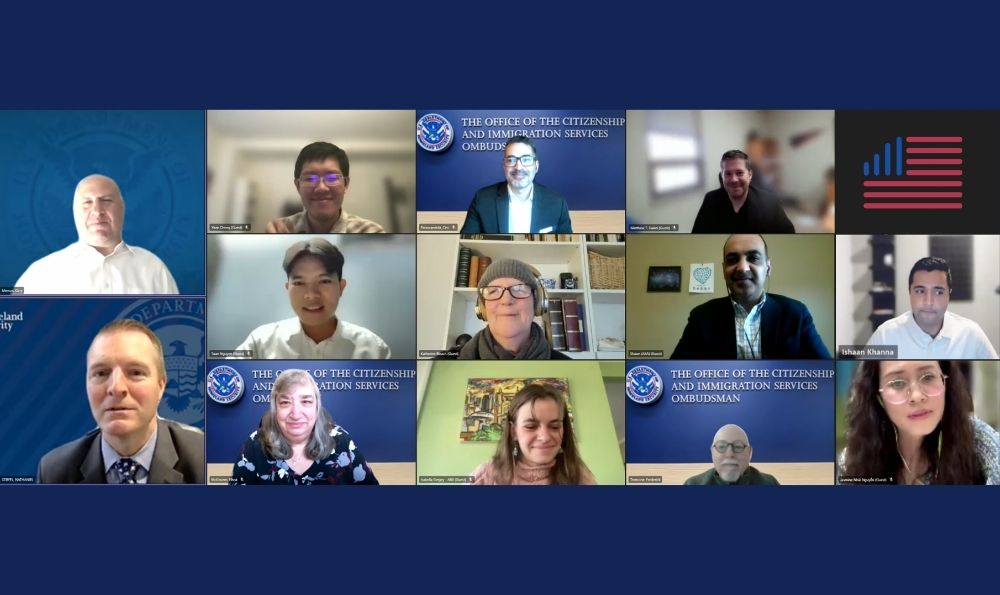
AIIA Holds Second Meeting with CIS Ombudsman’s Office
AIIA’s second meeting with the Citizenship and Immigrant Services Ombudsman (CISOMB) covered topics such as the sustainment period, aging out, source and path of funds issues, as well as transparency with EB-5 investors regarding petition intake and adjudications.
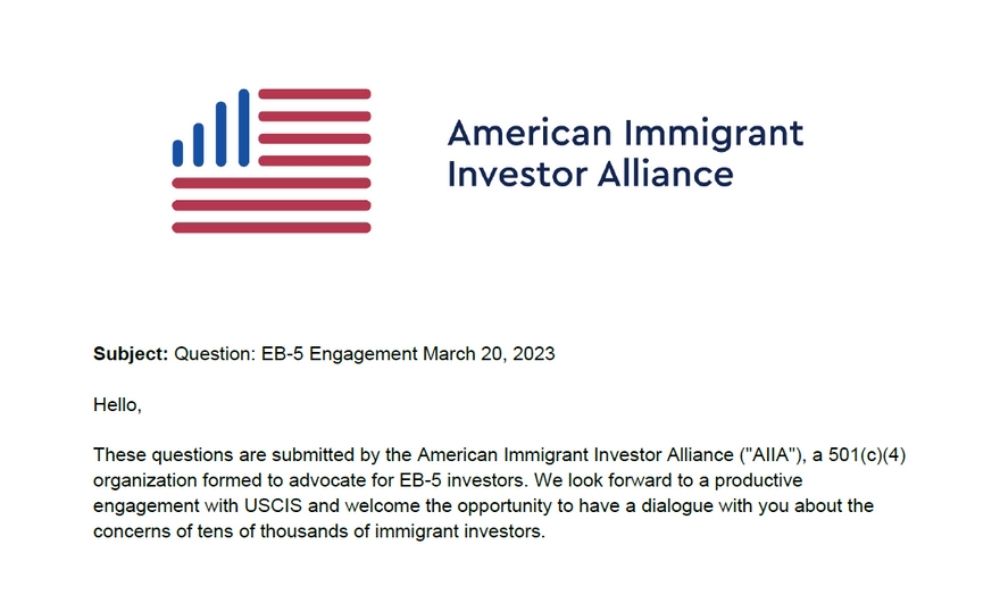
AIIA Submits Comments and Questions to USCIS Ahead of March 20 EB-5 Stakeholder Engagement
The EB-5 Reform and Integrity Act (RIA) introduced changes, but the impact on investors, particularly pre-RIA investors, remains unclear. AIIA raises questions about investment period, sustainment requirements, and the effect of regional center terminations.
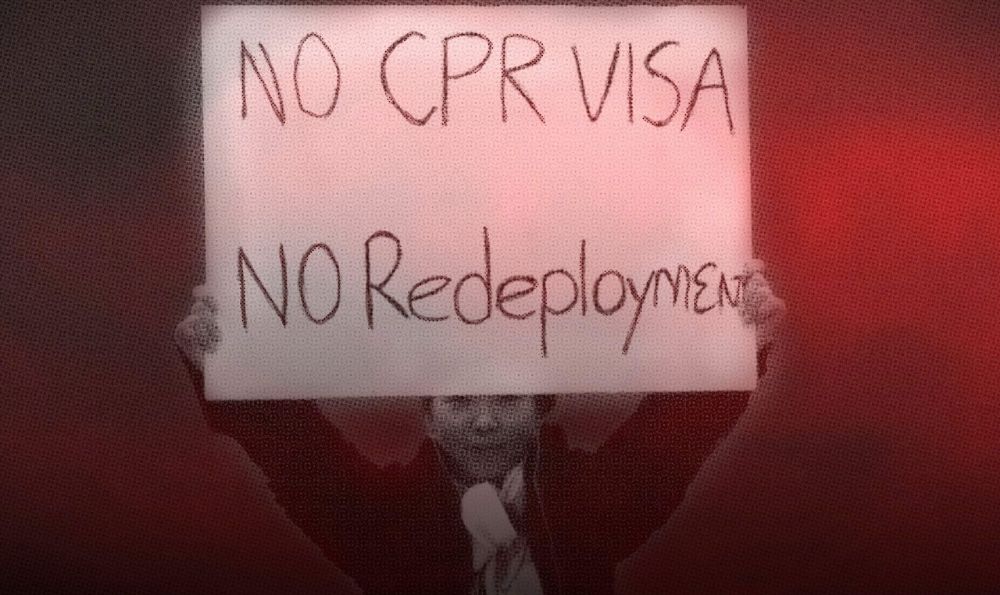
The Nightmare that is Redeployment
A summary of the EB-5 redeployment issue discussing how EB-5 investors must keep their money invested for a certain amount of time. This can be a problem for investors because the processing time for EB-5 petitions can be very long. AIIA is lobbying for changes to the redeployment policy that would benefit investors.
For EB-5 Stakeholders
Featured Investment and Securities Resources

The Dark Side of EB-5 - A Summary of the Risks Involved
The "at-risk" requirement, redeployment clauses, potential fraud, delayed processing, petition denials, and children aging out.
Learn More
Premature Withdrawal from an EB-5 Project
Early EB-5 withdrawals are usually difficult because funds are deployed into the project and must remain “at risk,” but investors may pursue repayment only when contracts are violated or the issuer’s refusal lacks legitimate business justification. Litigation is possible in limited cases, though investors must show strong evidence or risk denial and additional legal costs.
Learn More
The Redeployment Conundrum
Redeployment litigation arises when NCE managers reinvest EB-5 funds without proper judgment, exposing investors to unnecessary risk despite broad contractual discretion. Investors may have claims—especially when managers act in bad faith, conduct poor due diligence, or force redeployment decisions that jeopardize immigration or financial outcomes.
Learn MoreConnect With A Professional
AIIA has curated a list of the top professionals from attorneys, investment specialists, to business plan writers to support all all EB-5 stakeholders
Directory of Professionals

AIIA has curated a list of the top professionals from attorneys, investment specialists, to business plan writers to support all all EB-5 stakeholders
View Directory of ProfessionalsFrequently Asked Questions
Why are redeployment and sustainment periods such major issues in the EB-5 program?
Redeployment and sustainment rules have become two of the most complex and controversial aspects of the EB-5 program. Investors are required to keep their funds “at risk” for extended periods, often beyond the original project’s timeline. When the first investment ends before immigration approval, funds must be redeployed—creating confusion, legal risk, and financial uncertainty. This combination has made compliance burdensome and sometimes detrimental to investors’ interests.
Why is reform of redeployment and sustainment policies so urgently needed?
Current redeployment and sustainment practices lack transparency, adaptability, and fairness, leading to uncertainty for investors and instability for projects. Reform would establish clearer rules, greater flexibility, and stronger investor protections, ensuring that EB-5 participants are not penalized for circumstances beyond their control. A more predictable system would also restore confidence in the EB-5 program as a viable pathway for both immigration and investment.
Get In Touch With Us
If you have any questions, inquiries, or collaboration proposals, please don’t hesitate to reach out to us.
 English
  Chinese
  Vietnamese