Since USCIS has failed to provide us with the appropriate information regarding our prior FOIA requests, AIIA–in partnership with the Galati Firm–is suing USCIS for this lack of transparency and inaction.
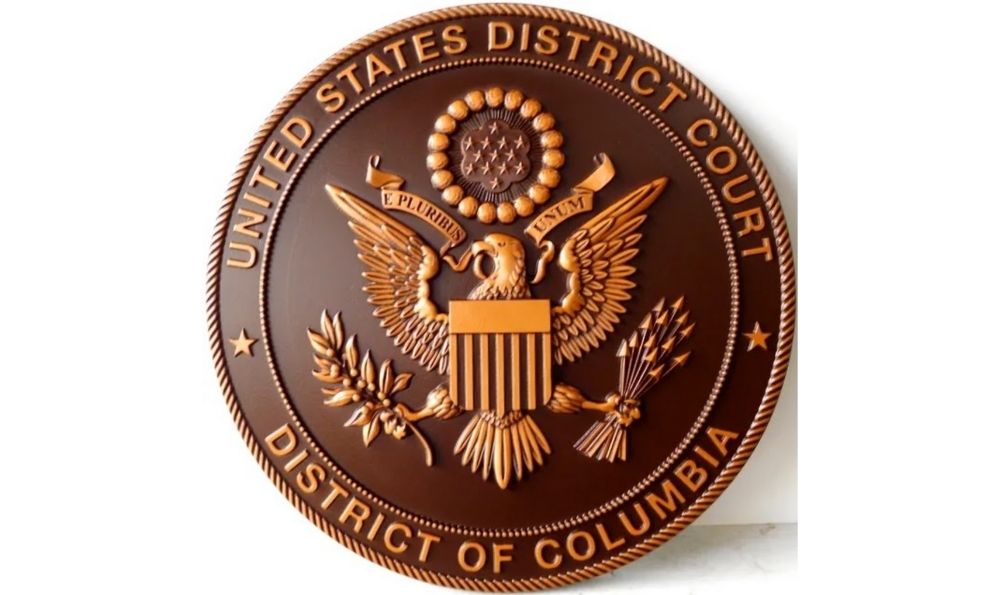
As part of AIIA’s effort effort to continue working towards addressing investor issues, we have now filed our second lawsuit against USCIS to compel them to hand over documents, memos and any records related to specific issues of concern for our investors – namely, arbitrary denials received by Vietnamese investors when transferring funds to the U.S. We appreciate the distinguished EB-5 attorney Matt Galati for taking on this lawsuit pro bono on behalf of all immigrant investors and EB-5 stakeholders who rightfully deserve an answer to how USCIS has changed their policies and why, given that the outcome of using these services may lead to a denial of an investor’s petition.
In an earlier blog we discussed our investor outreach trip to Vietnam and the related FOIA that we have filed seeking to uncover USCIS’s methodology to evaluate source of funds involving currency swap transactions as denials associated with that issue seem to be disproportionately high for Vietnamese investors compared to other investors across the world. That FOIA was designed to obtain documents pertaining to the re-adjudication of Source of Funds (SOF) at the I-829 stage for petitions which used currency swaps to transfer funds out of the country, specifically for Vietnamese currency swaps. This third FOIA request follows our previous requests, which has so far given us policy manuals for USCIS officials specifically pertaining to re-adjudication Source of Funds at the I-829 stage as well as the latest known breakdown of pending I-526s by country.
USCIS failed to respond to our request by the required date and has given us no indication that they have even begun conducting a search for these files. Therefore, we have employed the services of The Galati Law firm to file a lawsuit against USCIS in Washington D.C. to ensure these documents are delivered to us.
In our opinion, USCIS must outline clear guidelines when it comes to legal use of currency swaps as an EB-5 investor’s path of funds. It is unacceptable to think that an agency such as USCIS would keep internal adjudication policies, such as those on adjudicating currency swap cases, hidden from public scrutiny. Not only is it unfair to the investor community who are forced to rely on currency swaps to move their hard earned capital into the U.S, but also inefficient for USCIS adjudicators, who must then issue denials on petitions which were not eligible from the very beginning. Now, after years of waiting in a backlog with atrociously slow processing times, investors have discovered that their applications are nearly guaranteed to receive an RFE, and even possibly a denial.
To support these efforts and our other advocacy work, please consider donating to our cause or becoming a member of AIIA. As always, we love to hear from the EB-5 community so please reach out to us through our contact form.
Directory of Professionals

AIIA has curated a list of the top professionals from attorneys, investment specialists, to business plan writers to support all EB-5 stakeholders.
View Directory of ProfessionalsRelated Posts
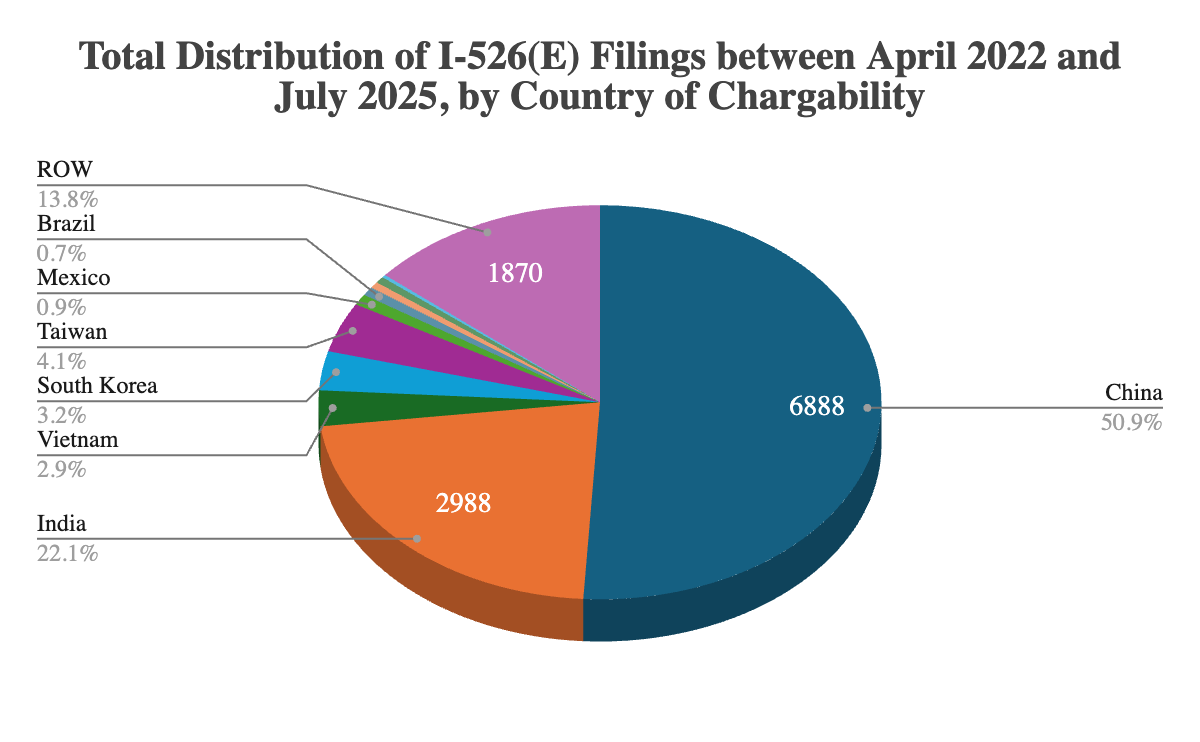
AIIA FOIA Series: Updated I-526E Inventory Statistics for July 2025
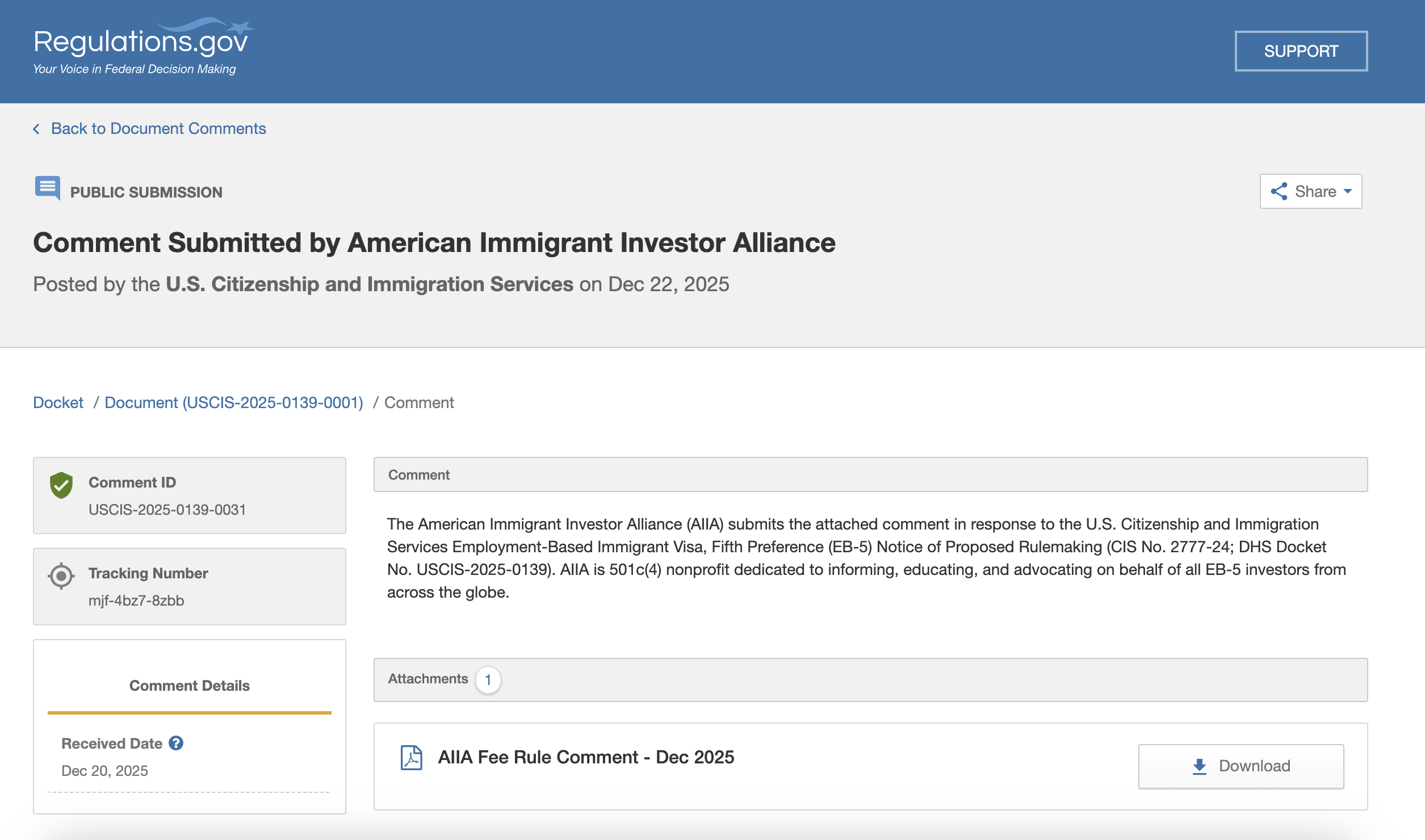
AIIA Submits Comments on USCIS NPRM on Updated EB-5 Fee Rule
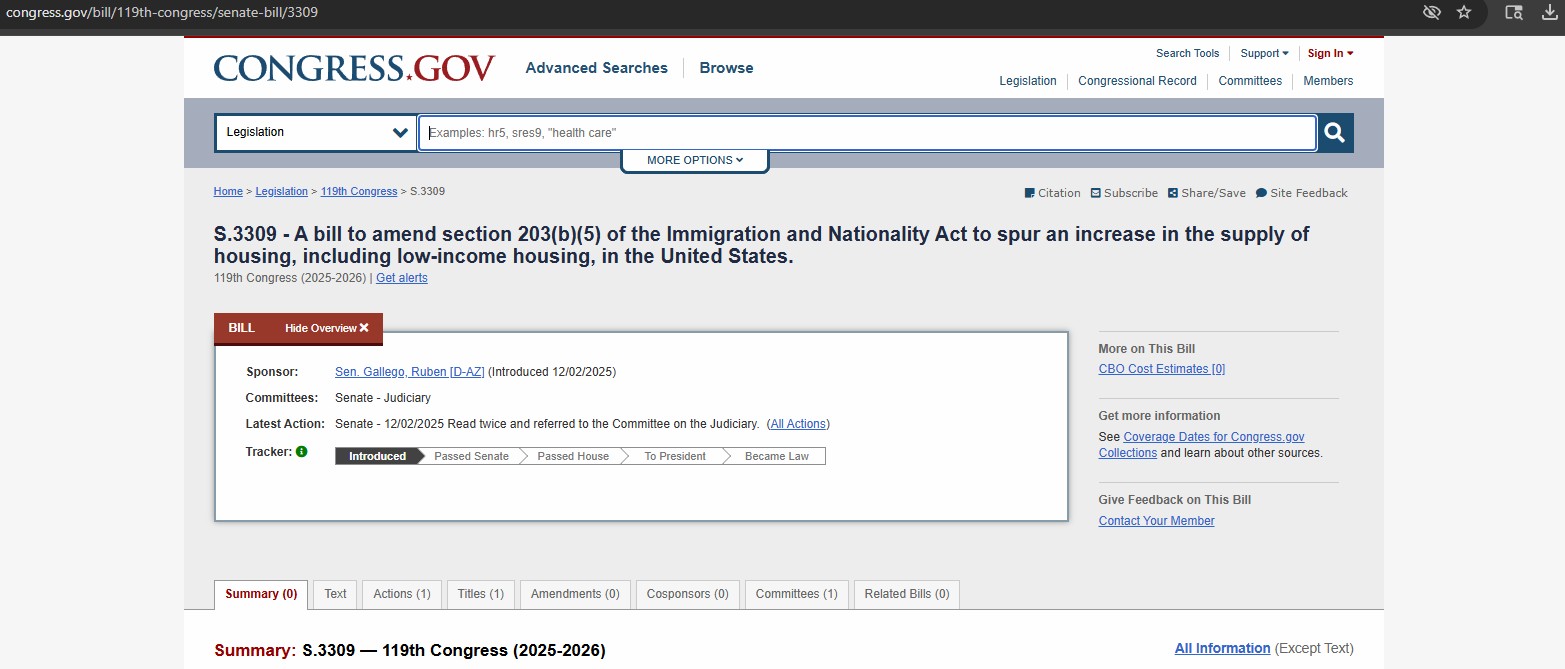
We Congratulate Senator Gallego for New Legislation that Leverages the EB-5 Program to Build Affordable Housing

We Won The EB-5 Fee Increase Lawsuit

Directory of Professionals
AIIA has curated a list of the top professionals from attorneys, investment specialists, to business plan writers to support all EB-5 stakeholders.
View Directory of ProfessionalsRelated Posts
AIIA FOIA Series: Updated I-526E Inventory Statistics for July 2025
AIIA Submits Comments on USCIS NPRM on Updated EB-5 Fee Rule
We Congratulate Senator Gallego for New Legislation that Leverages the EB-5 Program to Build Affordable Housing
We Won The EB-5 Fee Increase Lawsuit

Stay Up To Date With AIIA
Join our newsletter to stay up to date on EB-5 updates.
By subscribing you agree to with our Privacy Policy and provide consent to receive updates from our company.
Recommended Resources

The Issue of Aging Out in EB-5
The Child Status Protection Act (CSPA) helps freeze a child’s age on EB-5 petitions, but long visa backlogs still risk...
Read More
The Sale of EB-5 Securities Offerings
EB-5 securities sales often use Regulation D (U.S. investors) and Regulation S (foreign investors) exemptions to avoid SEC registration while...
Read More
Choosing between Direct vs Regional Center EB-5 financing
Direct EB-5 suits single investors creating direct jobs; Regional Center EB-5 pools multiple investors, counting direct and indirect jobs for...
Read MoreRecent Blog Posts
AIIA FOIA Series: Updated I-526E Inventory Statistics for July 2025
AIIA obtained new FOIA data through July 31, 2025 revealing how USCIS is actually processing EB-5 petitions, showing heavy prioritization...
Learn MoreAIIA Submits Comments on USCIS NPRM on Updated EB-5 Fee Rule
AIIA submitted comments on USCIS’s October 2025 EB-5 fee NPRM supporting revised, lawful fee levels but urging refunds for overpaid...
Learn MoreWe Congratulate Senator Gallego for New Legislation that Leverages the EB-5 Program to Build Affordable Housing
Sen. Gallego's EB-5 bill mobilizes foreign capital to build affordable housing. This collaboration has boosted AIIA's Congressional ties & credibility...
Learn MoreWe Won The EB-5 Fee Increase Lawsuit
AIIA successfully won its lawsuit against USCIS’s April 2024 EB-5 fee increases, with a federal judge ruling that the agency...
Learn MoreGet In Touch With Us
If you have any questions, inquiries, or collaboration proposals, please don’t hesitate to reach out to us.
 English
  Chinese
  Vietnamese
Responses (0)