美国投资移民协会支持 EB-5 投资者起诉美国公民及移民服务局(USCIS)拖延处理他们的申请。这些投资者起诉的目的是迫使美国公民与移民服务局最终处理他们的 EB-5 申请,因为这些申请已经经历了长时间的拖延。.
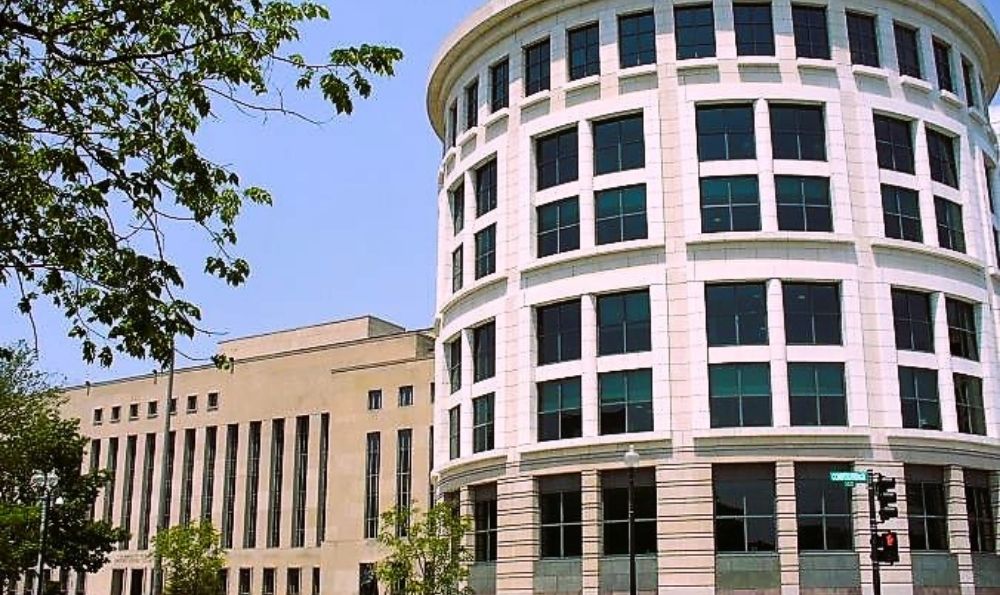
Last week, the American Immigrant Investor Alliance (AIIA) filed an 蔼蔼 brief to support the mandamus efforts of three groups of investors and their families, including some members of the AIIA community.
An 蔼蔼 brief is a “friend of the court” filing, submitted by a party not involved in the litigation and holding evidence which may impact the result of the suit. The purpose of filing our brief was to support the efforts of investors who had chosen to fight the delay of their pending petitions.
AIIA filed this 蔼蔼 brief to support cases Bega v. Jaddou, Thomson v. Mayorkas, and Da Costa v. Immigration Investor Program Office, which are consolidated cases on appeal before the D.C. Circuit Court. We believed we knew information which could help these investors (known as “appellants”, the individuals who filed an appeal) win their mandamus cases, but also set a legal precedent which would favor immigrant investors for years in the future.
On March 15, 2023, the D.C. Circuit granted our Motion to Participate as an 蔼蔼. AIIA is represented, pro bono, by The Galati Law Firm, which spent tens of hours preparing the briefing.
Background
All three cases involved investors who had filed a Writ of Mandamus for delayed processing of their petitions, a solution which we believe is extremely effective and have provided 资源 for on our website. All three cases were initially filed in the District Court for Washington, D.C.
In the three cases, the government filed a Motion to Dismiss, in which USCIS formally asked the court to dismiss the suit without a positive settlement or full consideration of USCIS processing for investors.
If the government successfully manages to dismiss a case, it sets a bad precedent for future I-526 litigants. USCIS would be more likely to file a Motion to Dismiss for every mandamus about I-526 delays filed anywhere in the country, and the strength of using Mandamus might not be as effective for EB-5 investors. The plaintiffs in Bega, Thomson, and Da Costa filed an appeal to have the Motion to Dismiss overturned and for the case to proceed to discovery.
We saw this suit as an important battle to get involved in. This is the first time an appellate court is considering I-526 mandamuses, and the D.C. Circuit Court is perhaps the most important venue in the country to do so. We felt that USCIS made declarations in their Motion to Dismiss without hard evidence and contrary to investors’ actual experience, as has been the case with many suits before. We believe that their facts need to be re-examined and immigrant investors need their day in court.
Arguments we put forward
1) USCIS does not adjudicate petitions assigned to the third queue in “first-in, first-out order” as it claims.
In our argument, we included exhibits (or “evidence”) showing that IPO divides the I-526 inventory into three different queues and how the order of adjudicating these petitions is seemingly random, rather than “first-in, first-out” as the agency claims. We demonstrated this by showcasing a dataset of 1000 petitions in order of priority date along with their current adjudication status. We also attached online confirmations of cases that were adjudicated and approved with priority dates after those of the appellants. We appreciate the hard work of the admins of @Eb5union Twitter for assisting us in gathering evidence for our case efficiently.
2) USCIS expedited hundreds of I-526 petitions for an entire EB-5 project to many EB-5 investors’ detriment.
USCIS offered certain EB-5 investors in the Tryon International Equestrian Center and Resort project expedited processing of their petitions. Specifically, USCIS issued an expedite for all investors in the project, regardless of their personal circumstances, a move which seems to be unprecedented. EB-5 investors in the Tryon project are years ahead of other members that filed before the Tryon investors, causing significant confusion and lack of clarity in the EB-5 industry. While we take no position on the merits of the expedite, we support the Appellants’ arguments that USCIS should be able to explain why this occurred.
3) USCIS cannot defend its actions by alleging a lack of resources when it charges fees to pay for resources needed to fulfill its statutory duty.
EB-5 investors pay some of the highest filing fees of all immigrant petitioners, as USCIS claimed was necessary to reduce processing times. Yet, when USCIS increased the fee in 2016, processing times grew exponentially and reached their highest historical average in history during fiscal year (FY) 2022. AIIA’s argument showed historical data which indicates that I-526 processing times are bound to increase even further in FY 2023. USCIS has never explained this exponential increase in processing times despite having more resources from the increased fees. We discussed this issue and the 2023 fee increase in our previous blog about the frustrations we as investors feel about USCIS’s failure to deliver adequate service and taking advantage of immigrant investors’ financial statuses.
Since at least 2012, USCIS has stated publicly and regularly at stakeholder meetings that its goal for Form I-526 adjudications is six months or less, yet processing times and fee amounts seem to increase year after year. USCIS is attempting to do this again, and as investors, we should be able to question government officials about how they use EB-5 filing fees if not to speed up adjudications.
4) EB-5 investors need information produced through discovery because declarations taken by USCIS officials and other general statements published by USCIS cannot be accepted as truthful.
Our brief urges the Appellate Court to reverse the Motion to Dismiss judgments of the District Court judges and remand the cases to allow the proceedings to move to “discovery”. USCIS has contradicted their own policies in past mandamus cases and in public statements. We argue on this basis that USCIS should not be able to dismiss this case, as there are questions with contradicting answers which need clarification from the agency. We are optimistic that the appellate judges will see potential evidence of wrongdoing, thereby benefiting not just the plaintiff investors and our members, but all future mandamus-seekers.
Importance to EB-5 investors
If our efforts are successful, USCIS could be forced to publicly share information about adjudication and petition prioritization, which would inform investors of exactly how and what order petitions are being processed. This will grant all investors hard evidence of adjudication procedures, rather than investor allies having to delve deeply into USCIS’s statements to extrapolate a theory about adjudication.
Again, this case is before one of the most important appellate courts in the country. This means that the legal precedent set by this suit will likely serve as the strongest benchmark for lower courts to adhere to.
If the decision is unfavorable, the D.C. Circuit could uphold the lower court decisions, dismiss the cases, and prevent any discovery from USCIS. This situation would negatively impact future I-526 mandamus cases and weaken the evidence held by these investors of USCIS’s lack of action. It could make mandamuses filed in D.C. practically impossible and affect other jurisdictions as well. It could also negatively affect non-EB-5, non-immigration delay litigations.
If the Circuit Court reverses the lower court decision, essentially saying these cases cannot be dismissed and must be addressed through a lawsuit, future mandamuses will have much stronger precedent to claim USCIS has harmed the investors in EB-5 through their egregiously long processing times.
One positive factor to this suit is that the Government did not oppose AIIA filing this 蔼蔼; we commend this action and hope that this leads to an ongoing and productive engagement between government entities and EB-5 investors about how to strengthen the program for both parties.
We also would like to publicly thank Jesse Bless, Esq. (representing Da Costa) and Brandon Meyer, Esq. (representing Thomson) for their consent as to our participation.
Join us in fighting against delayed processing
For us to continue our efforts assisting investors with legal proceedings and soliciting internal information about the EB-5 process, we need financial resources. Please consider 为我们的组织捐款 so we can continue fighting for transparency in the US immigration system and equality of opportunity for all EB-5 investors across the world. You can support our organization through a donation of any amount or joining our member community. As always, please reach out to us through our 联系表 if you would like to get involved.



了解 AIIA 的最新动态
加入我们的时事通讯,了解 EB-5 的最新动态。.
一旦订阅,即表示您同意我们的隐私政策,并同意接收本公司的更新信息。
推荐资源



最近的博客文章
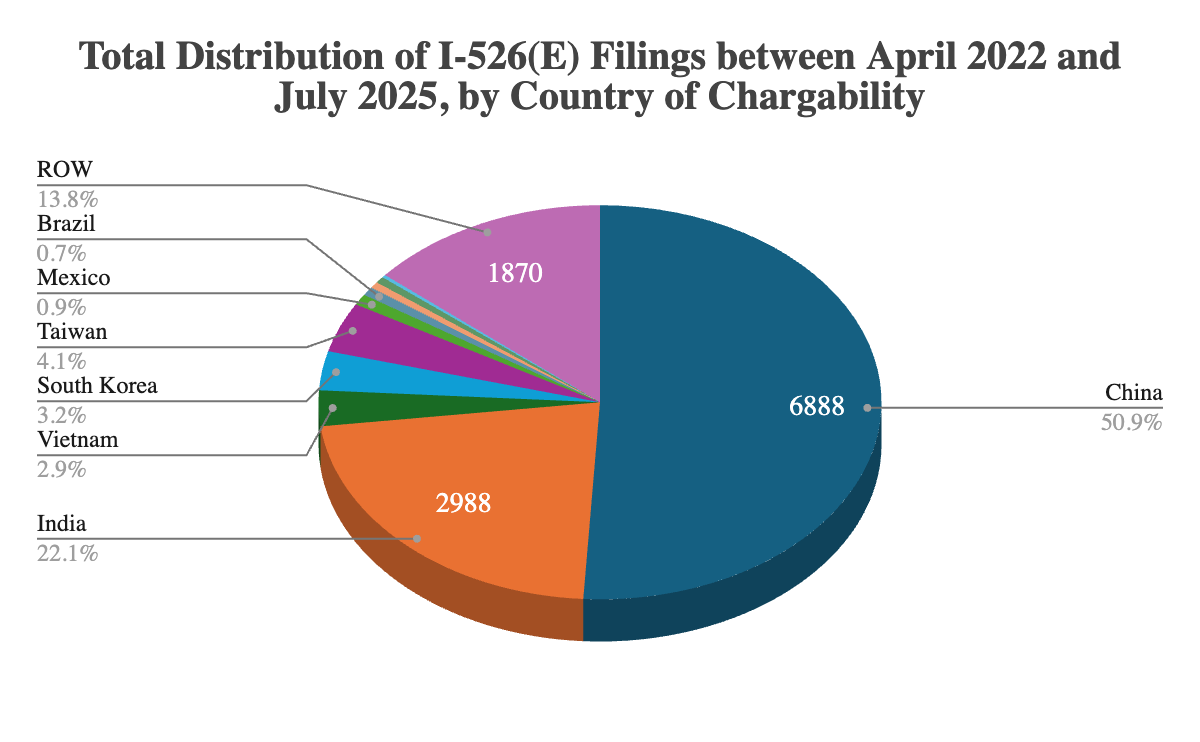
AIIA FOIA Series: Updated I-526E Inventory Statistics for July 2025
AIIA obtained new FOIA data through July 31, 2025 revealing how USCIS is actually processing EB-5 petitions, showing heavy prioritization...
了解更多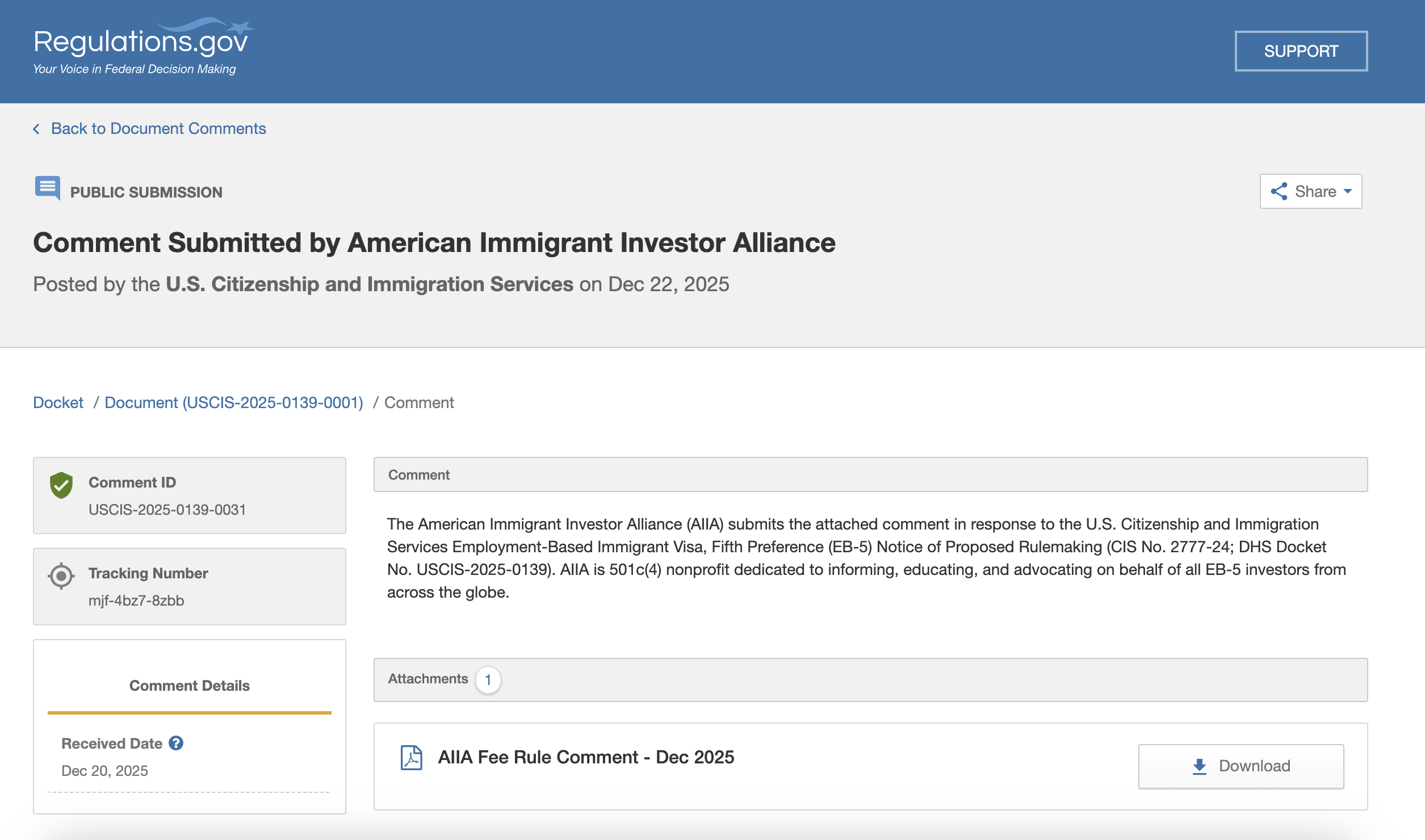
AIIA Submits Comments on USCIS NPRM on Updated EB-5 Fee Rule
AIIA submitted comments on USCIS’s October 2025 EB-5 fee NPRM supporting revised, lawful fee levels but urging refunds for overpaid...
了解更多

联系我们
如果您有任何问题、咨询或合作建议,请随时联系我们。
 Chinese
  English
  Vietnamese
答复 (0)