EB-5 问题
EB-5 Policy and Oversight > Data Transparency and FOIA
AIIA 的《信息自由法》倡议和透明度使命
我们的奋斗目标
获取准确及时的信息对于促进 EB-5 利益相关者社区的透明度和问责制至关重要,这涉及到美国公民及移民服务局(USCIS)、国务院(DOS)和其他相关政府机构等重要实体。信息自由法案》(FOIA)的申请赋予了公众极大的权力来促进自身的问责制,为包括美国投资移民联盟(AIIA)在内的 EB-5 利益相关者提供了从政府机构获取关键数据和文件的合法途径。通过利用信息公开法案,EB-5 社区可以获取与签证处理、政策变化和其他相关事项有关的信息。这种透明度确保了从投资者到项目开发商等利益相关者都能充分了解情况,并有能力驾驭 EB-5 计划的动态发展。.
信息自由法案的合作使用不仅促进了单个机构内部的问责制,而且促进了整个 EB-5 生态系统的问责制。美国移民局和投资促进局掌握着影响 EB-5 利益相关者决策和投资的重要信息。通过积极寻求 FOIA 申请的透明度,美国投资移民联盟鼓励这些机构坚持开放的沟通方式,并为知情决策提供必要的数据。美国投资移民联盟在申请 FOIA 方面的倡导体现了其对营造一个透明和负责任的环境的承诺,确保利益相关者拥有他们所需的数据,以驾驭 EB-5 计划的复杂性并做出明智的选择。迄今为止,它已使人们首次了解到 IPO 所持有的 I-526E 存货、有关任意拒绝和资金来源问题的重要信息,以及美国移民局和 IPO 的人员配备和行政数据。.
新闻室
EB-5 政策与监督新闻和文章
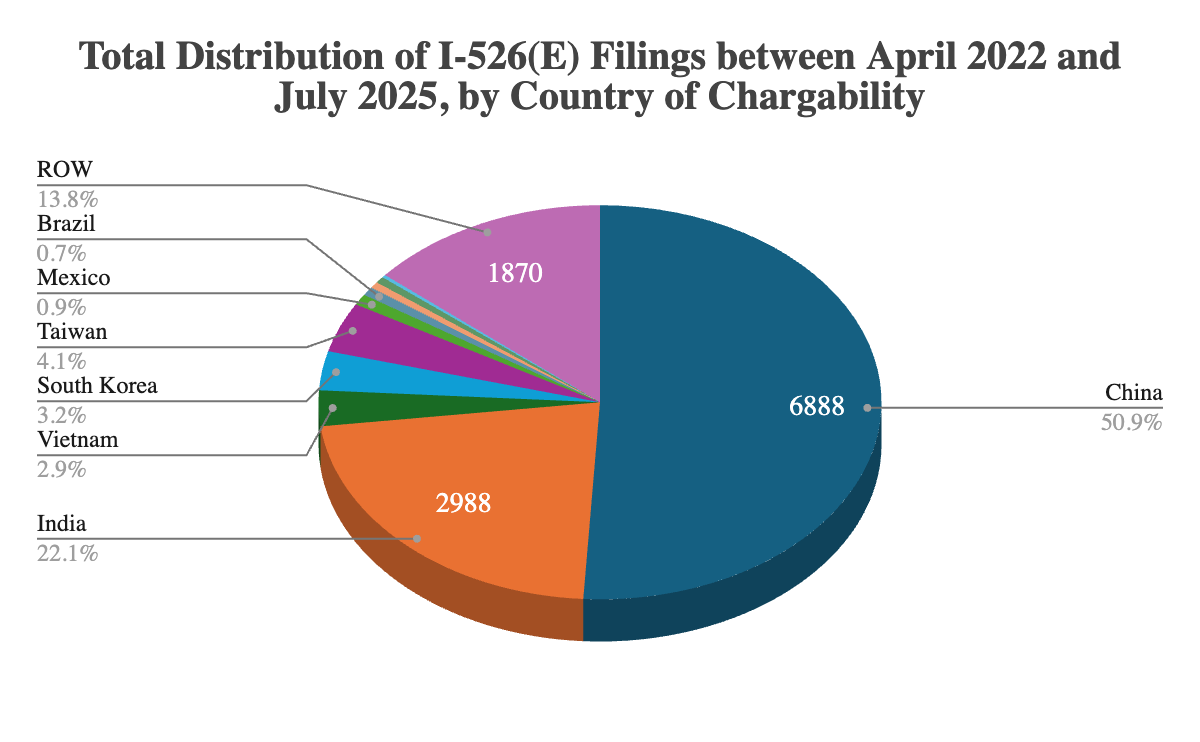
AIIA FOIA 系列:2025 年 7 月 I-526E 清单最新统计数据
美国投资移民协会(AIIA)获得了截至 2025 年 7 月 31 日的新的 FOIA 数据,这些数据揭示了美国移民局(USCIS)是如何实际处理 EB-5 申请的,显示了对农村申请的高度重视、对高失业率申请的严重忽视、对基础设施申请的不明确处理,以及 2026 年签证公告截止日期对预留类别没有迫在眉睫的风险。这些数据强调了美国移民局在透明度和处理过程中的严重失误,并突出了为什么美国投资移民协会的持续宣传和信息自由法案(FOIA)诉讼对于保护 EB-5 投资者至关重要。.
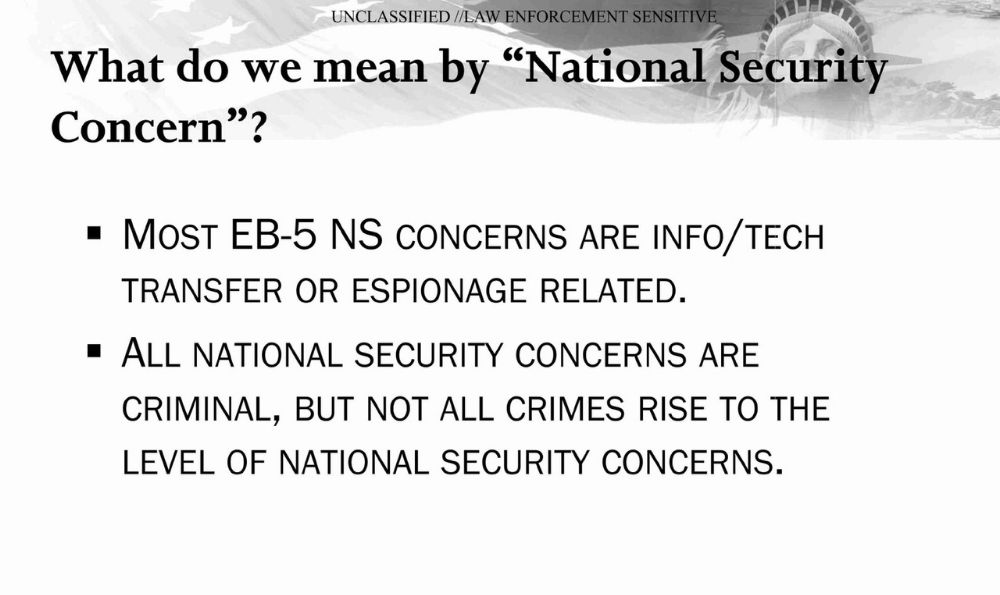
AIIA FOIA 系列:隐藏的移民局审批标准--国家安全检查
信息自由法案》(FOIA)披露的信息显示,美国公民与移民服务局(USCIS)的FDNS使用不透明的、往往是主观的 “国家安全 ”指标--尤其是针对来自中国等令人担忧的国家的投资者--对EB-5案件进行冗长的审查或拒绝,其触发因素从军事关系到某些大学的附属关系不一而足。这些审查可能发生在任何阶段,除非通过诉讼或政治干预来解决,否则会造成多年的延误。.
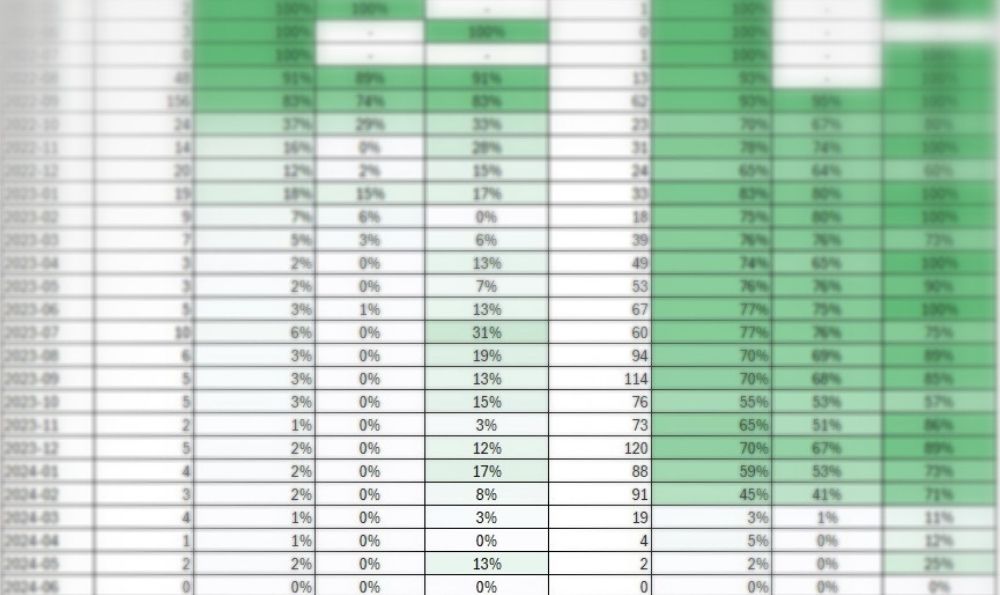
AIIA FOIA 系列:2025 年 1 月 RIA 申请批准后的统计数据
美国公民与移民服务局(USCIS)FOIA 数据显示,RIA 后的 EB-5 审批工作进展缓慢,农村案件的审理速度快于高失业率案件,但两者都远未清理完积压案件--这意味着未来将有漫长的等待,尤其是对 HUA 投资者而言。.
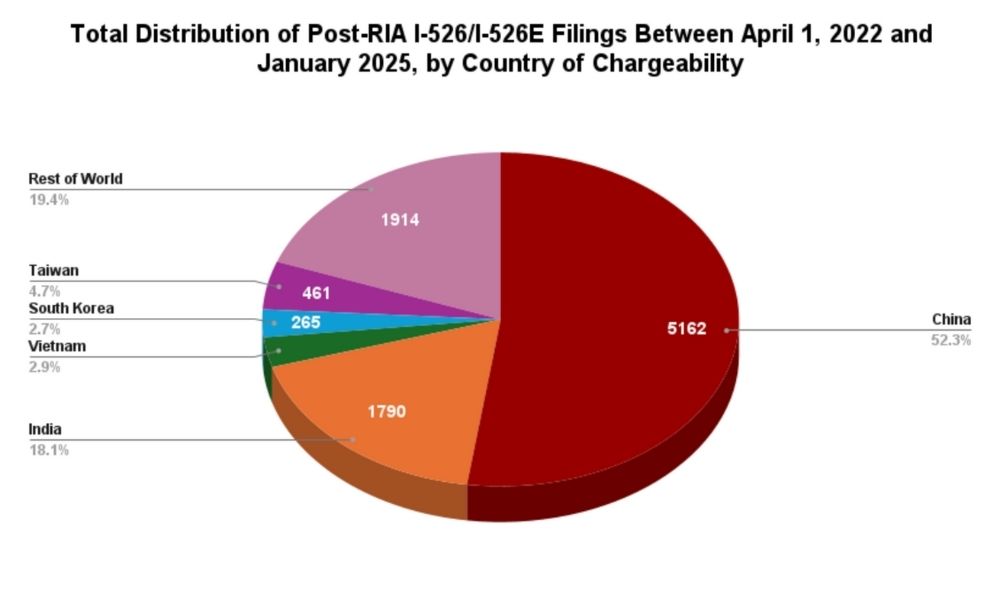
AIIA FOIA 系列:2025 年 1 月 I-526E 清单最新统计数据
美国投资移民协会(AIIA)获得的美国公民与移民服务局(USCIS)FOIA数据显示,RIA后的EB-5需求远远超过年度签证限额--高失业率地区约为10倍,农村地区约为4倍,这就造成了漫长的潜在等待时间,尤其是对中国和印度而言。我们请求您考虑捐款,以维持 FOIA 诉讼和投资者透明度的宣传。.

AIIA FOIA 系列:2024 年 7 月 I-526E 清单统计更新
美国投资移民协会(AIIA)已向美国公民与移民服务局(USCIS)提出 FOIA 申请,要求获得 I-526 和 I-526E 申请数据,以揭示 2022 年 4 月至 2024 年 7 月的趋势。数据显示,对高失业率和农村 TEA 签证的需求上升,由于每年签证供应量有限,等待时间也在增加。对于来自中国和印度的申请人来说,积压情况尤其令人担忧。.

AIIA FOIA 系列:截至 2024 年 7 月的 RIA 前 I-526 数据
美国投资移民协会(AIIA)最近的信息自由法案(FOIA)申请揭示了截至 2024 年 7 月 EB-5 I-526 申请待批的详细数据,凸显了 RIA 前投资者的积压情况,尤其是来自中国、印度和世界其他地区的投资者。这些数据强调了RIA前投资者的大量等待时间,同时也揭示了RIA后投资者日益增长的积压,特别是来自中国的投资者,到2030年可能没有足够的签证来清理积压。.
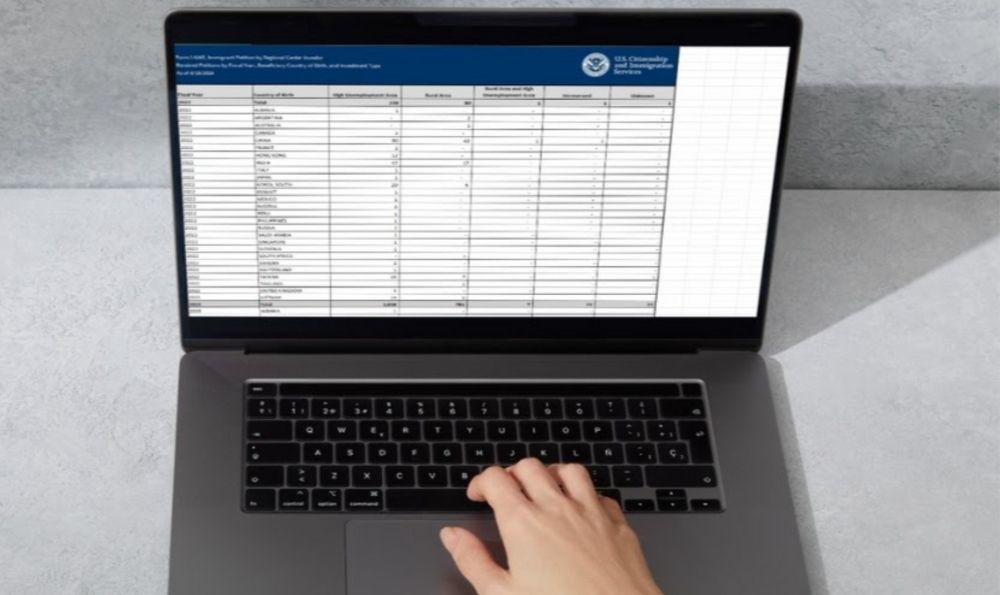
2024 年 3 月 I-526E 统计数据概览
美国投资移民协会(AIIA)最近的信息公开申请显示了 2022 年 4 月至 2024 年初的 EB-5 申请趋势,显示了来自中国和印度的强劲需求,以及拉丁美洲和欧洲日益增长的兴趣。数据显示,高失业率地区的申请量超过了农村地区的申请量,尤其是在哥伦比亚和欧洲。.
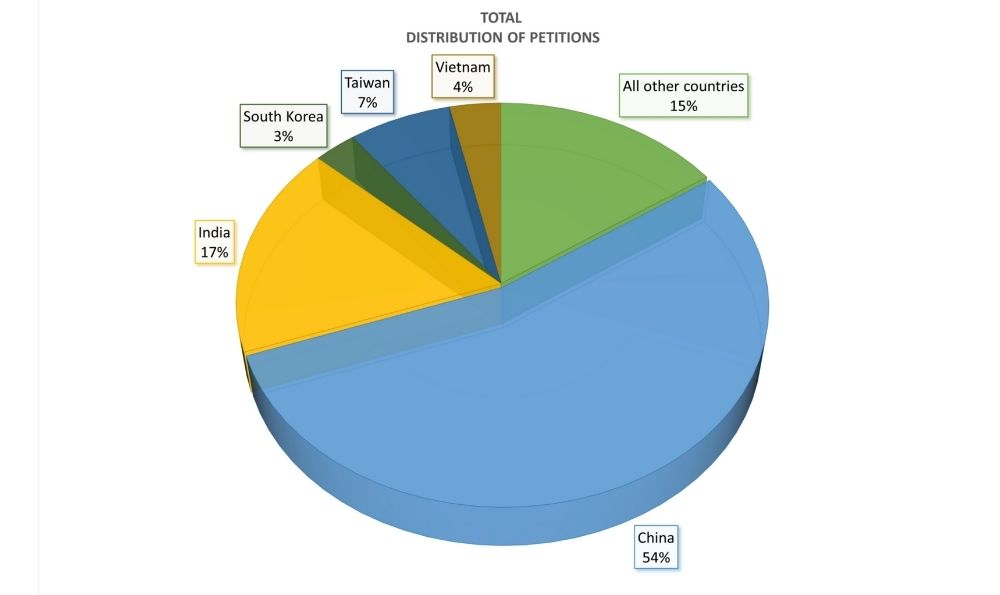
AIIA FOIA 系列:2023 年 I-526E 清单最新统计数据
AIIA 提供了详细的数据分析,说明新的 FOIA 数据对后 RIA 投资者意味着什么,请阅读我们的博客和我们在 Youtube 上讨论这些数据的网络研讨会,了解更多信息。.

FOIA 申请更新 I-526E 清单统计数据
在这篇博客中,AIIA 分析了我们之前的 FOIA 诉讼所产生的最新一批 I-526E 库存数据。我们深入探讨了 "隐形积压 "问题,并强调了农村和高失业率保留 EB-5 类别的供求失衡。.
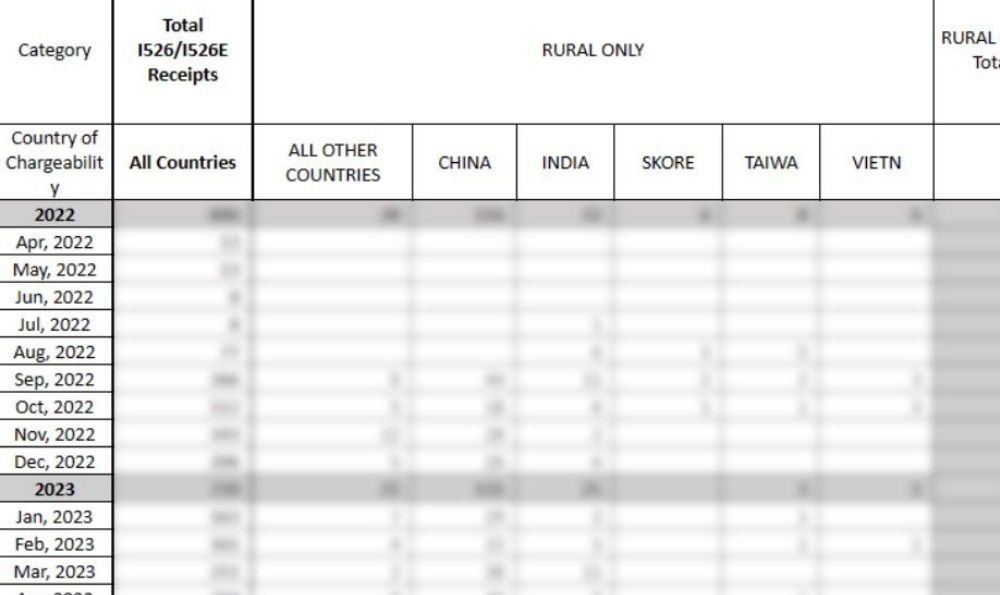
AIIA 获取 I-526E 库存数据用于积压评估
AIIA 现在收到了一份从未见过的截至 2023 年 4 月美国移民局持有的 I-526(E)申请清单。这些数据是通过《信息自由法案》(FOIA)申请获得的,并由 AIIA 提起诉讼。现在,我们必须继续争取透明度,并继续推动美国公民与移民服务局(USCIS)提供更多有关 EB-5 申请库存和处理延迟的信息。.
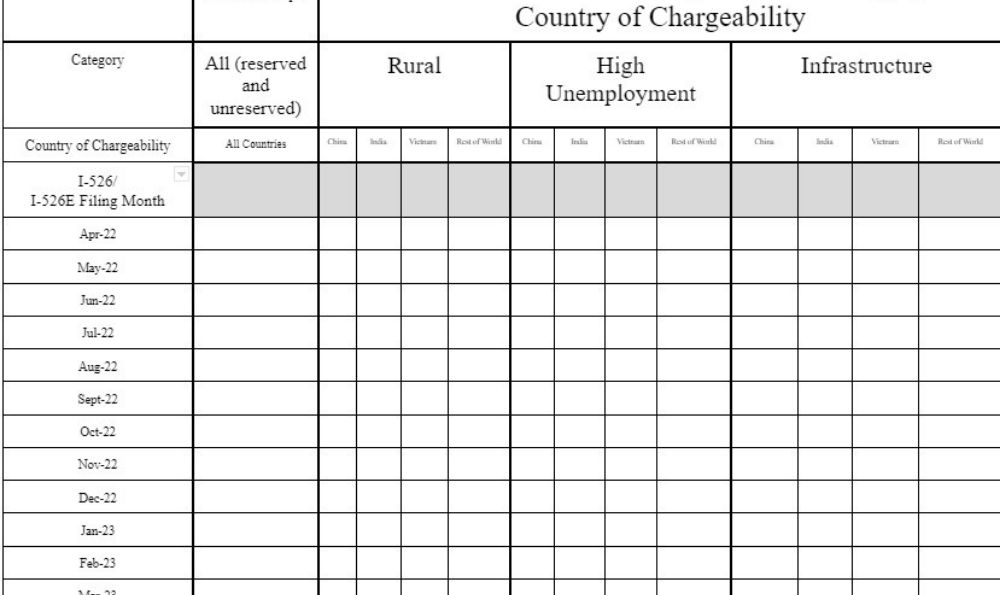
我们起诉移民局未提供 I-526E 清单数据
由于美国公民与移民服务局(USCIS)又一次未能向我们提供有关我们之前的 FOIA 申请的适当信息,AIIA 与 Galati 事务所合作,正在起诉美国公民与移民服务局(USCIS)这种缺乏透明度的行为,以防止在不远的将来形成无形的积压。.

RIA 之前的 EB-5 申请人需要等待多长时间才能获得签证?
美国投资移民协会(AIIA)利用我们通过最近的信息自由法案(FOIA)活动收集到的数据,根据历史数据趋势,为EB-5投资者提供来自积压国家的EB-5投资者的预期等待时间的总体估计。根据美国移民局目前的申请处理时间,考虑到自RIA通过以来,几乎没有采取任何措施来补救等待时间,因此大多数后退移民的前景是黯淡的。.
面向 EB-5 利益相关者
特色 EB-5 政策与监督资源

提高 EB-5 区域中心项目的时间表
EB-5 区域中心的资本募集通常需要 2-3 年的审批、营销和筹资时间,而投资者绿卡的办理可能需要 5 年以上的时间。.
了解更多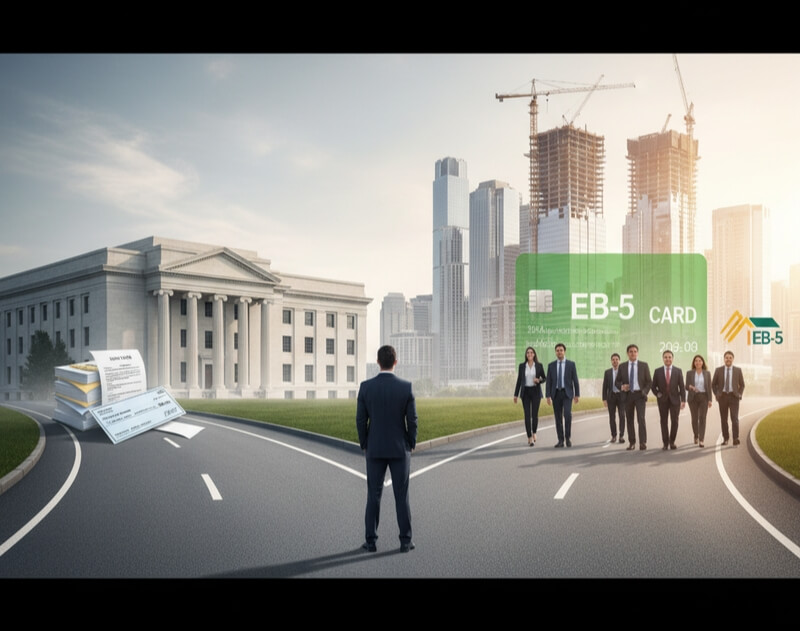
EB-5 区域中心融资适合我的项目吗?
EB-5 区域中心融资适合创造大量就业机会的大型项目,最好是在技术经济区,有足够的资金和投资者吸引力,但需要复杂的合规性和营销。.
了解更多专业人员名录

美国投资移民协会(AIIA)为所有 EB-5 利益相关者准备了一份从律师、投资专家到商业计划书撰写者的顶级专业人士名单。
查看专业人员名录常见问题
Why does AIIA use Freedom of Information Act (FOIA) requests in its advocacy work?
AIIA uses FOIA requests to promote transparency and accountability within the EB-5 program. By obtaining internal government data and documents, AIIA helps EB-5 stakeholders—investors, project developers, and attorneys—gain access to accurate, up-to-date information that affects visa processing, policy decisions, and program operations. This ensures the community can make informed decisions based on verified facts rather than speculation.
What kind of information can be obtained through FOIA requests related to the EB-5 program?
FOIA requests can reveal critical details about USCIS and Department of State operations, including visa processing statistics, I-526E petition inventories, policy interpretation records, and administrative data such as staffing or case management practices. These insights shed light on how EB-5 applications are processed and where inefficiencies or inconsistencies may exist within the system.
How does transparency through FOIAs benefit EB-5 investors and other stakeholders?
Access to government-held data allows EB-5 investors and industry participants to understand the real status of the program, anticipate policy shifts, and identify problem areas such as delays or arbitrary denials. Transparency builds trust, empowers stakeholders to hold agencies accountable, and ensures that investment and immigration decisions are grounded in reliable information.
What impact has AIIA’s FOIA work had on the EB-5 community so far?
AIIA’s FOIA initiatives have provided the community with unprecedented insight into the operations of the Immigrant Investor Program Office (IPO) and USCIS. Notable outcomes include access to data on I-526E petition inventories, information about arbitrary denials and source-of-funds issues, and staffing and administrative records. These disclosures have deepened the community’s understanding of EB-5 processes and highlighted areas needing reform.
联系我们
如果您有任何问题、咨询或合作建议,请随时联系我们。
 Chinese
  English
  Vietnamese