EB-5 Issue
移民
EB-5 移民程序和美国公民与移民服务局的系统性问题
What We’re Fighting For
The landscape of EB-5 immigration is fraught with challenges that require urgent attention and reform. Foremost among these issues are the prolonged visa processing delays and backlogs at the U.S. Citizenship and Immigration Services (USCIS). These delays not only introduce uncertainty but also impede the timely realization of investors’ immigration goals. Addressing these inefficiencies is pivotal to fostering a more responsive and investor-friendly environment.
Children “aging-out” of visa eligibility is an additional concern that underscores the need for reform. The rigid age restrictions in the current immigration system fail to account for extended processing times, leading to family separations and undermining the program’s familial objectives. Advocacy for reforms to rectify this issue is imperative, emphasizing the importance of preserving family unity within the EB-5 program.
The sustainment period and arbitrary denials of visa petitions represent other critical challenges. The inflexibility of the sustainment period requirements hampers investors’ ability to adapt to changing circumstances, affecting their investments and the success of EB-5 projects. Simultaneously, arbitrary denials erode investor confidence, as the lack of transparency in adjudication processes introduces uncertainty. Reforms addressing these concerns, including a more adaptable sustainment period and increased transparency in the visa adjudication process, are essential to fortifying the integrity and attractiveness of the EB-5 program.
Newsroom
Immigration News & Articles

我们赢得了 EB-5 费用上涨诉讼
美国投资移民协会成功赢得了针对美国移民局 2024 年 4 月提高 EB-5 费用的诉讼,联邦法官裁定该机构在未按规定进行费用研究的情况下非法提高费用,并根据《美国投资移民法》(APA)任意行事;在诉讼继续进行期间,旧的、较低的费用现已恢复生效,美国投资移民协会正在探索潜在的集体诉讼,以寻求向支付了较高费用的投资者和区域中心退款。

保护善意 EB-5 投资者的斗争
The RIA was designed to protect “good faith” EB-5 investors when projects fail due to no fault of their own, but USCIS has failed to implement these protections, leading to lawsuits like those by AIIA co-founder Rajvir Batra and seven other investors. AIIA supports these legal actions to ensure timely notices, 180-day cure periods, and preservation of investors’ immigration status.
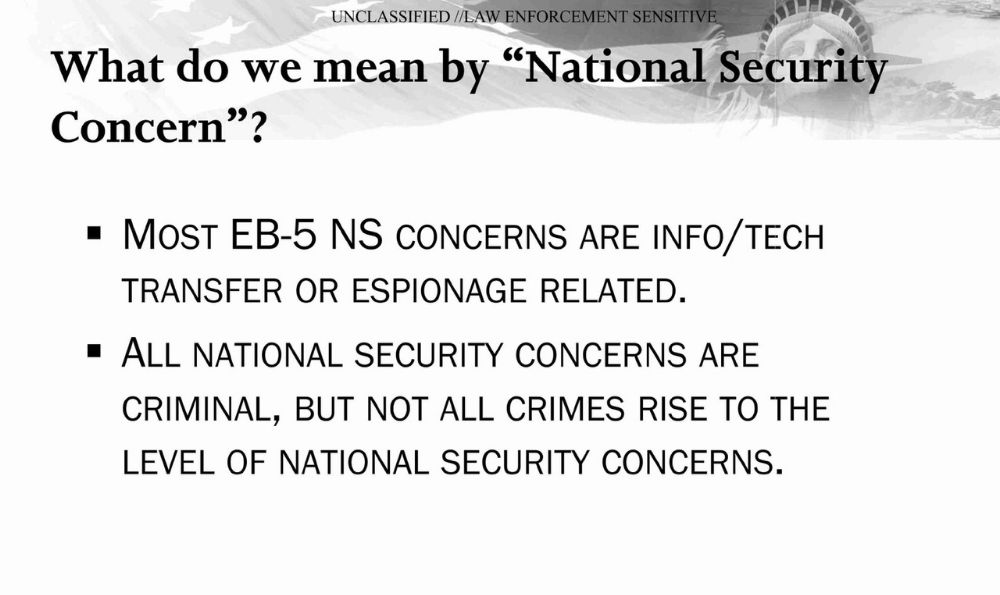
AIIA FOIA 系列:隐藏的移民局审批标准--国家安全检查
信息自由法案》(FOIA)披露的信息显示,美国公民与移民服务局(USCIS)的FDNS使用不透明的、往往是主观的 “国家安全 ”指标--尤其是针对来自中国等令人担忧的国家的投资者--对EB-5案件进行冗长的审查或拒绝,其触发因素从军事关系到某些大学的附属关系不一而足。这些审查可能发生在任何阶段,除非通过诉讼或政治干预来解决,否则会造成多年的延误。.
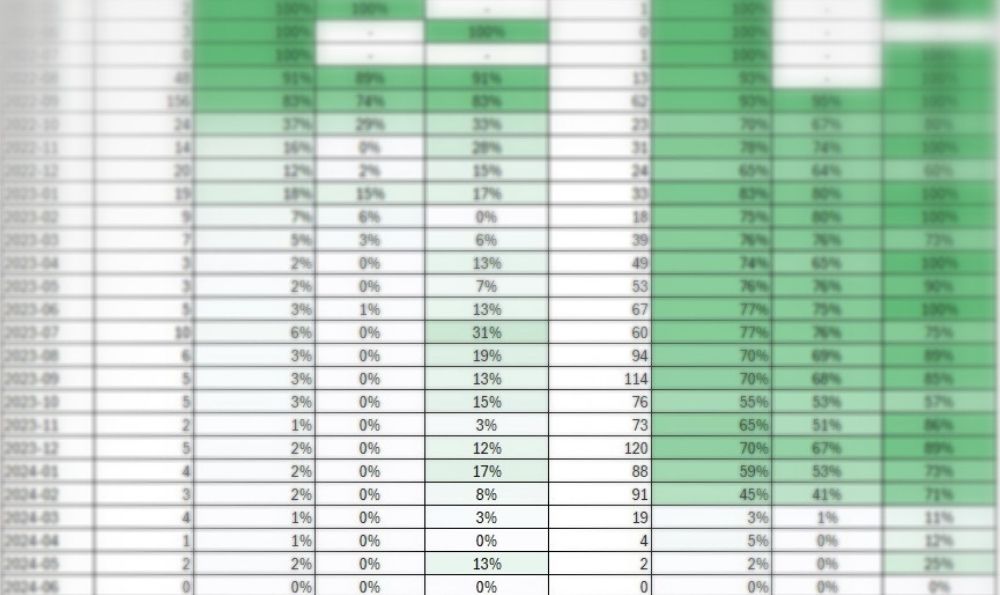
AIIA FOIA Series: Post RIA Petition Approval Statistics for January 2025
USCIS FOIA data shows post-RIA EB-5 adjudications are slow, with rural cases moving faster than high unemployment cases but both far from clearing the backlog—meaning long waits ahead, especially for HUA investors.
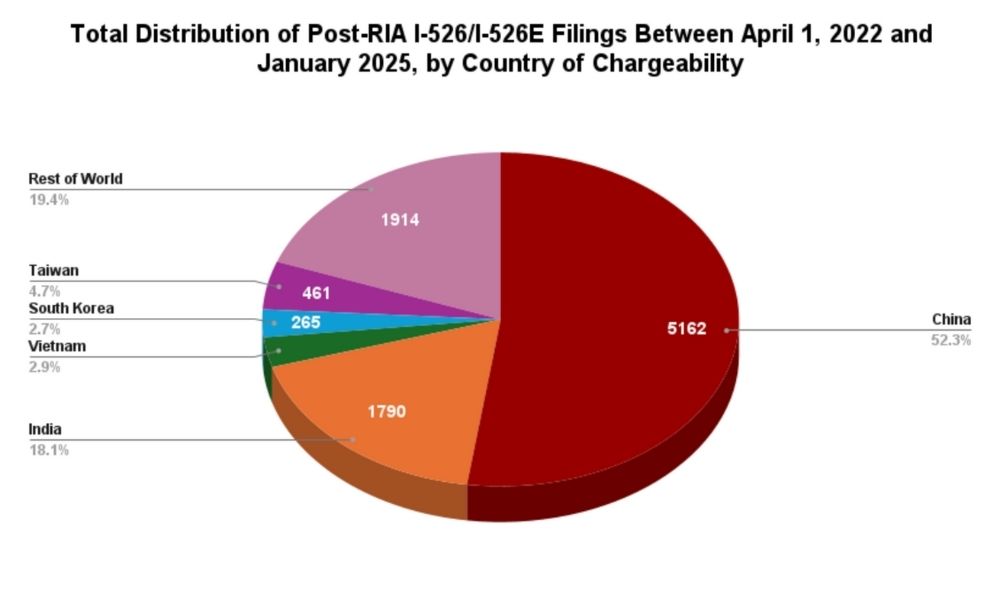
AIIA FOIA Series: Updated I-526E Inventory Statistics for January 2025
USCIS FOIA data obtained by AIIA shows post-RIA EB-5 demand far exceeds annual visa limits—about 10× for high unemployment and 4× for rural—creating long potential wait times, especially for China and India. We ask you to consider donating to sustain FOIA litigation and advocacy for investor transparency.

AIIA FOIA Series: Updated I-526E Inventory Statistics for July 2024
AIIA has filed FOIA requests to USCIS for data on I-526 and I-526E filings, revealing trends from April 2022 to July 2024. The data shows a rise in demand for high unemployment and rural TEA visas, with wait times increasing due to limited annual visa availability. The backlog is especially concerning for applicants from China and India.
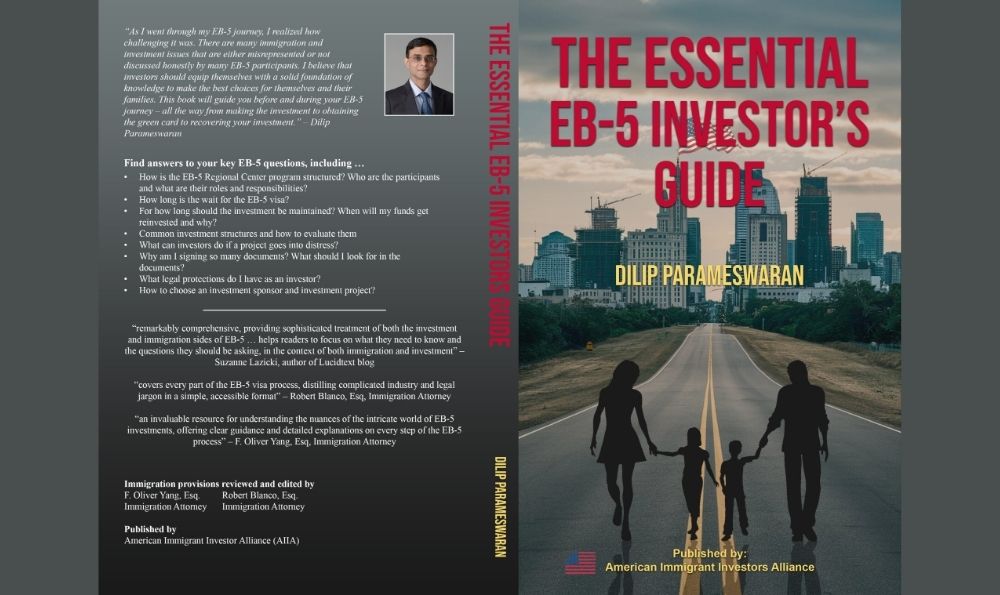
Announcing the Publication of The Essential EB-5 Investor’s Guide authored by Dilip Parameswaran
AIIA is proud to release The Essential EB-5 Investor’s Guide by Dilip Parameswaran, a seasoned investment banker who has successfully navigated the EB-5 process. This guide offers key insights into the immigration and investment aspects of EB-5, with expert contributions from EB-5 attorneys. Available on Amazon in both digital and paperback editions, it’s an essential resource for current and prospective EB-5 investors.

AIIA FOIA Series: Pre-RIA I-526 data as of July 2024
AIIA's recent FOIA requests have uncovered detailed data on pending EB-5 I-526 petitions as of July 2024, highlighting the backlog of pre-RIA investors, particularly from China, India, and the Rest of World. The data emphasizes the significant wait times for pre-RIA investors, while also shedding light on the growing backlog for post-RIA investors, especially from China, where there may not be enough visas to clear the backlog by 2030.

Courts Rule Against Regional Centers on Visa Rollover Lawsuit
A court ruling has blocked IIUSA's attempt to prevent the rollover of unused EB-5 set-aside visas into the unreserved category, ensuring more visas for pre-RIA investors, especially those from China and India, reducing their wait times. This decision preserves the status quo, benefiting past investors while maintaining potential backlogs for post-RIA set-aside investors, and AIIA continues to monitor the case and protect investor interests.

Overview of I-526E Statistics for March 2024
AIIA’s recent FOIA request reveals trends in EB-5 petition filings from April 2022 to early 2024, showing strong demand from China and India, with increasing interest from Latin America and Europe. The data highlights an imbalance, with High Unemployment Area petitions surpassing Rural petitions, especially in Colombia and Europe.

IIUSA Strikes Again: Visa Lawsuit Could Harm Immigrant Investors
AIIA is strongly opposing the lawsuit IIUSA v. Blinken, filed by IIUSA and regional centers, which aims to prevent the rollover of unused set-aside EB-5 visas into the unreserved category, arguing that it harms pre-RIA investors facing significant backlogs. While IIUSA claims this action will help set-aside investors, AIIA asserts that it will hurt pre-RIA investors by reducing available visas for those already waiting, and it ultimately seeks to change policy to benefit regional centers at the expense of the broader investor community.

Court says “No imminent harm in the fee increase matter”, The Fight Continues.
The judge refused to approve the Temporary Restraining Order to stop USCIS's fee increase, but the fight is just getting started. Read our blog to learn more about how we plan to hold USCIS accountable.
Issues Within Immigration
Select any of the issues before to access resources, news articles, and blog posts about that issue.
面向 EB-5 利益相关者
Featured Immigration Resources

EB-5 的阴暗面--相关风险概述
The "at-risk" requirement, redeployment clauses, potential fraud, delayed processing, petition denials, and children aging out.
了解更多
提交 EB-5 申请加急申请
EB-5 expedite requests are limited to project or individual cases, requiring strong evidence like financial loss, humanitarian need, or national interest for USCIS approval.
了解更多
针对 EB-5 处理延误的授权令状 (WOM)
A Writ of Mandamus compels USCIS to act on delayed EB-5 petitions, but requires legal expertise and offers no guarantee of faster processing.
了解更多
EB-5 背景下的证券和公司法与移民法
EB-5 投资纠纷和移民结果涉及不同的法律体系,因此对发行人提起诉讼通常不会损害投资者的移民案件。如果投资者怀疑存在欺诈或项目问题,应迅速采取行动,因为拖延会危及他们的资金和移民身份。
了解更多
EB-5 背景下的 "证据要求"(RFE)和 "拒绝意向通知"(NOID)
USCIS issues RFEs and NOIDs to request missing evidence or flag serious issues in EB-5 petitions; failing to respond risks denial or visa disqualification.
了解更多
如果 EB-5 申请被拒怎么办?
Investors can appeal EB-5 petition denials through USCIS’s AAO or federal courts, but must act quickly and consult experienced immigration attorneys to preserve eligibility.
了解更多
EB-5 中的老龄化问题
The Child Status Protection Act (CSPA) helps freeze a child’s age on EB-5 petitions, but long visa backlogs still risk children aging out and losing immigration eligibility.
了解更多与专业人士联系
AIIA has curated a list of the top professionals from attorneys, investment specialists, to business plan writers to support all all EB-5 stakeholders
专业人员名录

AIIA has curated a list of the top professionals from attorneys, investment specialists, to business plan writers to support all all EB-5 stakeholders
查看专业人员名录Frequently Asked Questions
What are the main immigration challenges currently faced by EB-5 investors?
EB-5 investors face several systemic challenges, including severe visa processing delays, large backlogs at USCIS, and a lack of transparency in petition adjudications. These issues create uncertainty and hinder investors from achieving their immigration and investment goals on time. Addressing these inefficiencies is critical to maintaining investor confidence and ensuring the EB-5 program operates as intended.
Why are visa processing delays such a serious issue in the EB-5 program?
Long processing times can stretch across several years, delaying investors’ immigration status and complicating project timelines. These delays also contribute to family and financial stress, particularly for investors whose dependent children may lose visa eligibility due to aging out during the waiting period. AIIA advocates for faster adjudication and greater transparency to make the process more predictable and fair.
联系我们
如果您有任何问题、咨询或合作建议,请随时联系我们。
 Chinese
  English
  Vietnamese