EB-5 问题
投资与证券
Problems immigrant investors face with their EB-5 Investment
我们的奋斗目标
EB-5 证券法的改革对于保障 EB-5 投资者的利益以及营造一个更加透明和安全的投资环境至关重要。需要改革的关键问题之一是维持期的概念。现行法规对 EB-5 投资者提出了在特定时期内维持投资的严格要求,这往往阻碍了他们驾驭不断变化的环境或市场条件的能力。改革维持期可以为投资者提供更大的灵活性,使他们的投资能够适应不断变化的经济环境,而不影响他们获得永久居留权的资格。.
资金的重新调配是 EB-5 计划中的另一个重大问题。现行法规没有明确规定在初始投资期结束后应如何重新部署资金,这给寻求满足计划要求的投资者带来了潜在的挑战。改革这些证券法,为资金调配提供明确的指导,将为投资者提供更多的确定性,并防止在管理投资时出现不必要的复杂情况。更明确的指导原则也有助于提高资本利用效率,使投资者及其支持的项目都能从中受益。.
还款问题进一步凸显了改革 EB-5 相关证券法的必要性。还款时间和条款的不明确性会给投资者带来不确定性,影响他们有效规划和管理财务的能力。通过全面改革解决还款问题,EB-5 计划可以吸引更多的投资者,并提高其作为可靠和投资者友好计划的声誉。最终,一个改革完善的监管框架不仅能保护 EB-5 投资者的利益,还能促进该计划的长期成功和对美国经济的积极影响。.
新闻室
投资与证券新闻和文章
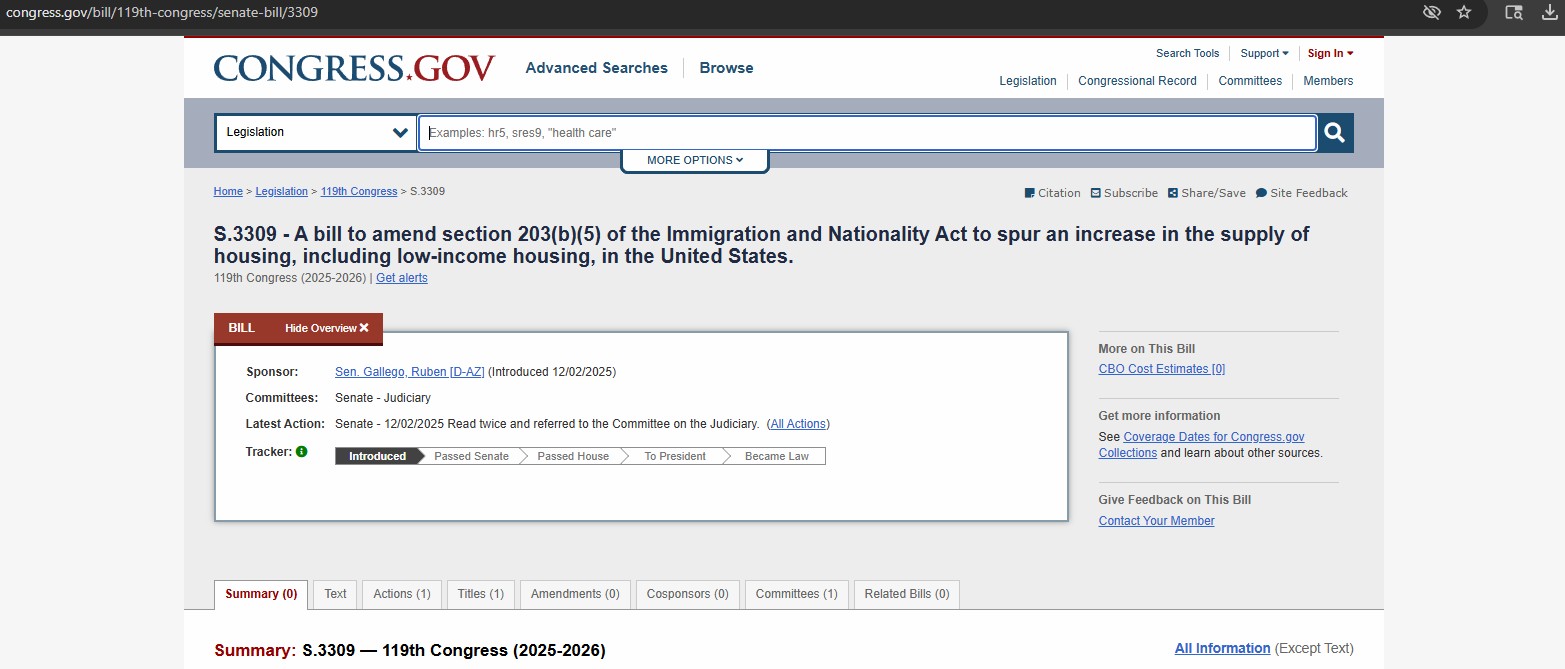
我们祝贺参议员加列戈通过新立法,利用 EB-5 计划建造经济适用房
加列戈参议员的 EB-5 法案动员外国资本建造经济适用房。这一合作加强了美国投资不动产协会与国会的联系以及在这一领域的公信力。.

2025 年 8 月有关持续期诉讼的最新情况--EB-5 投资者需要做什么
美国投资移民协会(AIIA)反对美国投资移民协会(IIUSA)关于延长 EB-5 持续期的诉讼,并提交了一份法庭之友简报,帮助雷耶斯法官做出裁决,确认了《区域投资协定》中关于后《区域投资协定》投资者的两年风险规则。美国移民局现在将起草正式法规,美国投资移民协会计划在公开征求意见期间动员投资者,以保护这一解释免受行业反弹。.

IIUSA 未能与移民局就维持期达成协议
美国投资移民协会(AIIA)正在反对美国投资移民协会(IIUSA)的一项诉讼,该诉讼可能会延长《美国投资移民法案》生效后投资者的 EB-5 维持期,破坏国会制定的 2 年规则。最近的听证会对我方不利,虽然目前的规则仍然有效,但和解或法院裁决可能会恢复到《美国投资移民法案》生效前的有害时限,因此 AIIA 正在准备法律和宣传行动,以保护所有投资者。.

IIUSA 诉移民局维持诉讼的最新情况
2025 年 1 月 28 日,IIUSA 诉 USCIS 一案的法庭听证会对国土安全部的两年维持解释提出了质疑,这有可能导致投资期限更长、重新部署风险更大的 EB-5 投资者回到 RIA 之前的规则。美国投资移民协会正在通过法律行动进行反击,并需要您的支持以保护 EB-5 投资者。.

美国投资移民协会(IIUSA)与美国移民局(USCIS)关于 EB-5 持续期的诉讼分析(第二部分
请阅读我们对 IIUSA 支持诉讼申诉的两部分分析的第二部分,我们认为他们的逻辑是错误的,以及我们计划如何确保 EB-5 投资者的权利在此过程中得到保护。.

美国投资移民协会(IIUSA)与美国移民局(USCIS)关于 EB-5 持续期的诉讼分析(第一部分
请阅读我们对 IIUSA 支持诉讼申诉的两部分分析的第一部分,我们认为他们的逻辑是错误的,以及我们计划如何确保 EB-5 投资者的权利在此过程中得到保护。.

区域中心提起诉讼,要求恢复《反垄断法》实施后投资者的维持期规则
投资美国(IIUSA)是一个代表众多 EB-5 区域中心的组织,该组织刚刚就更新的维持期澄清对美国移民局提起诉讼。我们认为该诉讼有可能严重损害 EB-5 投资者的经济利益,请阅读本博客了解原因。.

如何在从事 H-1B 工作的同时为 EB-5 投资做好财务准备
在这本由 CapitalWe 和 AIIA 的 Vrishin 共同撰写的指南中,我们探讨了持有 H1-B 签证的 EB-5 潜在投资者为其最终投资做好最佳准备的不同方法。.
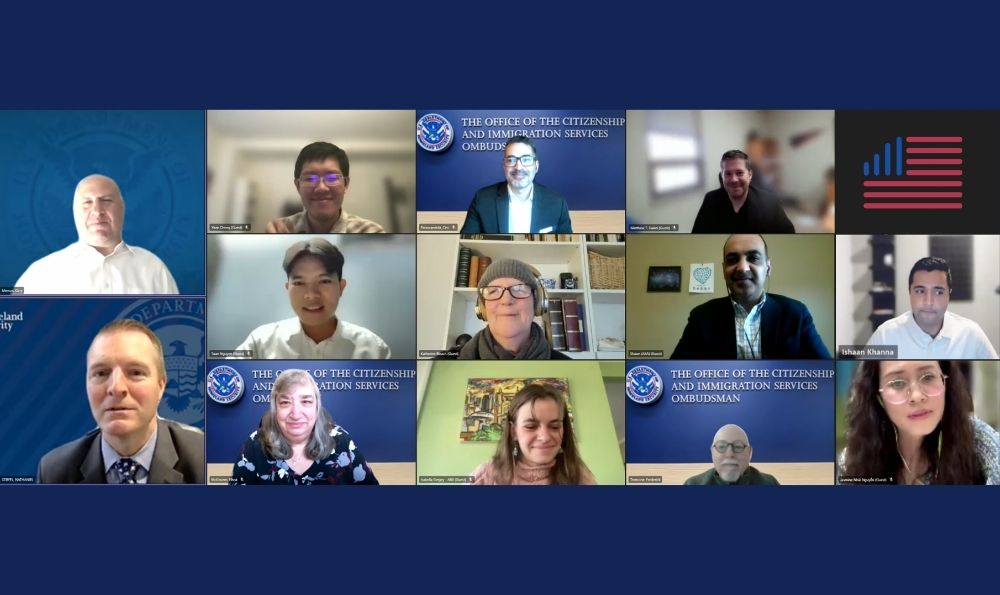
AIIA 与独联体监察员办公室举行第二次会议
美国投资移民协会与公民和移民服务监察员(CISOMB)的第二次会议涉及的议题包括维持期、老龄化、资金来源和路径问题,以及 EB-5 投资者在申请受理和裁决方面的透明度。.
AIIA 会见独联体监察员
AIIA 团队于 10 月 6 日参加了由 CIS 监察员主持的首次会议,会上团队讨论了影响 EB-5 投资者社区的各种问题。主要的问题是,EB-5 申请的延误和处理时间滞后是投资移民面临的大多数问题的根源,导致重新部署率、申请被拒率和老龄化率飙升,十分危险。.

对 EB-5 投资者有潜在影响的佛罗里达州外国人土地法申请禁令
本月,佛罗里达州州长办公室通过了一项禁止 “利益相关国 ”公民投资和购置财产的法律,仇外心理占据了主导地位。该法案的真正含义是以种族主义的方式侵犯主要是在该州生活、工作和投资的中国移民的宪法权利。AIIA 分析了未来在佛罗里达州进行 EB-5 投资的风险,以及对投资者 EB-5 之旅的任何负面影响。.
AIIA FOIA 系列:I-829 阶段的资金来源审查
美国移民局(USCIS)提供了一些关于在 I-829 阶段重新审查资金来源的信息,但其中大部分内容被删节。这篇文章还重点讨论了重新审查投资者使用的资金来源和资金路径的问题。美国投资移民协会说,这种审查可能对使用非正规方法转移资金的投资者不公平。.
投资和证券领域的问题
选择前面的任何问题,即可访问有关该问题的资源、新闻文章和博文。.
面向 EB-5 利益相关者
特色投资和证券资源

EB-5 的阴暗面--相关风险概述
高危 "要求、重新部署条款、潜在欺诈、延迟处理、申请被拒、子女老龄化。.
了解更多
EB-5 投资者有权在美国法院起诉追回投资款
包括 EB-5 投资者在内的非公民在美国拥有强大的宪法权利--包括正当程序和起诉权--而且提起诉讼一般不会损害移民结果。投资者应了解诉讼地规则,审查合同,并记录任何威胁或报复行为,因为当发行人拖延还款、资金管理不善或有不当行为时,诉讼往往是唯一有效的补救措施。
了解更多
EB-5 背景下的证券和公司法与移民法
EB-5 投资纠纷和移民结果涉及不同的法律体系,因此对发行人提起诉讼通常不会损害投资者的移民案件。如果投资者怀疑存在欺诈或项目问题,应迅速采取行动,因为拖延会危及他们的资金和移民身份。
了解更多
过早退出 EB-5 项目
提前提取 EB-5 资金通常比较困难,因为资金已投入到项目中,必须保持 "风险",但只有在违反合同或发行人的拒绝缺乏合法商业理由的情况下,投资者才可要求还款。在有限的情况下可以提起诉讼,但投资者必须拿出有力的证据,否则就有可能被拒绝并承担额外的法律费用。
了解更多
准备针对 EB-5 区域中心的诉讼
成功的 EB-5 诉讼取决于详尽的文件记录,因此投资者应保存所有记录--从合同到信息,并保持清晰的时间表,以加强未来的索赔。外语证据必须经过专业翻译,因为错误或缺失的文件会严重削弱案件的效力。
了解更多
如何寻找优秀的 EB-5 诉讼律师
选择一位具有 EB-5 和诉讼经验的律师,他要有条理、注重细节并避免做出保证。根据您的案件,您可能需要一名证券或公司律师。AIIA 可以为您联系经过审核的律师。
了解更多
人多力量大:联合诉讼
汇集 EB-5 诉讼可以降低成本,但投资者必须在目标上保持一致,确保不违反保密规则,并与律师密切合作以形成一个统一的团体。成功的集合案件需要共同的利益、强大的组织和有能力的领导团队,同时所有成员都必须为所涉及的时间、信息披露和复杂性做好准备。
了解更多
EB-5 集体诉讼
集体诉讼让一名投资者代表所有受到类似损害的投资者,与集中诉讼相比,集体诉讼的杠杆作用更大,财务风险通常更低,但集体诉讼也要复杂得多,必须满足严格的标准,如数量、典型性和优越性。当合格的集体诉讼律师以应急方式接手案件时,往往意味着对案件的是非曲直有很强的信心。
了解更多
EB-5 的诉讼费用
诉讼费用高昂,但投资者可以通过合作和使用提供应急或混合收费结构的律师来降低成本,这些律师有时会得到第三方诉讼资金提供者的支持。虽然这些方案降低了前期费用,但通常需要放弃部分赔偿金,而充分的准备仍然是胜诉的关键。
了解更多
仲裁现实:EB-5 投资者须知
大多数 EB-5 投资者都受其 PPM 中强制性仲裁条款的约束,要求通过 AAA 或 JAMS 等论坛而非法庭解决争议。虽然仲裁可以更快、更便宜,但发行人有时会利用高额仲裁费来阻止索赔,因此经验丰富的律师在评估是否真的需要仲裁时就显得至关重要。
了解更多
"EB-5 诉讼中的 "私密性
EB-5 发行人通常会设计复杂的结构和狭窄的 "私法 "关系来增加诉讼的难度,迫使投资者陷入艰难的战斗和不利的司法管辖区,如纽约或特拉华州。即便如此,如果投资者能在强有力的合同证据支持下,证明直接私法关系之外的当事人存在不当行为,他们仍然可以进行索赔,包括衍生诉讼。
了解更多
重新部署难题
当 NCE 经理在没有适当判断的情况下对 EB-5 资金进行再投资,从而使投资者面临不必要的风险时,尽管合同规定了广泛的自由裁量权,重新部署诉讼还是会出现。投资者可能会提出索赔--尤其是当管理者恶意行事、尽职调查不力或强行做出危害移民或财务结果的重新部署决定时。
了解更多专业人员名录

美国投资移民协会(AIIA)为所有 EB-5 利益相关者准备了一份从律师、投资专家到商业计划书撰写者的顶级专业人士名单。
查看专业人员名录常见问题
维持期是多长?
维持期是指 EB-5 投资者为保持移民资格而必须将其资金投入合格项目的最短时间。目前的规定往往缺乏灵活性,迫使投资者将资金投入项目的时间超过预期,即使情况发生变化也是如此。美国投资移民协会主张制定一个适应性更强、对投资者更友好的维持期限,既能反映经济现实,又能实现项目目标。.
在 EB-5 的背景下,“重新部署 ”是什么意思?
重新部署是指投资者的 EB-5 资金在原项目结束后被重新投资到一个新项目中,这通常是由于移民局的处理时间过长和签证积压造成的。然而,目前关于重新部署的指导含糊不清且不一致,使投资者无法确定什么是符合要求的再投资。美国投资移民协会主张制定明确、成文的重新部署规则,以防止混淆,并确保资金的使用是负责任和透明的。.
还款问题对 EB-5 投资者有何影响?
在满足 EB-5 要求后,投资者何时以及如何获得回报,这些含糊不清的问题造成了不确定性和财务压力。一些投资者在收到回报方面面临长时间的拖延,或者遇到不明确的条款,导致规划困难。改革还款准则将确保还款过程的可预测性、公平性和透明度,从而给予投资者参与该计划所需的信心。.
联系我们
如果您有任何问题、咨询或合作建议,请随时联系我们。
 Chinese
  English
  Vietnamese