EB-5 问题
Immigration > Processing Delays
请愿处理缓慢、程序延误以及有关政府监督的其他最新情况
我们的奋斗目标
The persistent issue of slow EB-5 visa processing at U.S. Citizenship and Immigration Services (USCIS) and the Immigrant Investor Program Office (IPO) remains a formidable challenge, impeding the aspirations of EB-5 investors and their families and stunting the efficacy of the EB-5 program as a whole. The prolonged processing times for EB-5 petitions creates an environment of uncertainty for investors, delaying their ability to achieve lawful permanent residency in the United States. This slow-paced processing adversely impacts the financial and personal plans of investors, diminishing the attractiveness of the EB-5 program as a viable immigration pathway overseas.
Moreover, the delayed processing of EB-5 visas disrupts the economic vitality of projects funded through the program. Project developers and regional centers, reliant on timely capital injections from EB-5 investors, also face significant hurdles when confronted with extended processing times. These delays can yield increased costs for investor legal expenses, lose families employment and personal opportunities, and create challenges in meeting job creation and source of funds requirements. A more efficient and expeditious visa processing system is essential to uphold the integrity and reliability of the EB-5 program, ensuring that investors can navigate the immigration process with predictability and confidence in USCIS’s services.
Addressing the issue of slow EB-5 visa processing requires a multi-faceted approach, encompassing procedural reforms and resource allocation. Streamlining adjudication processes, optimizing USCIS workflows, and dedicating adequate resources to handle the increasing volume of EB-5 applications are crucial steps toward expediting visa processing. AIIA’s advocacy efforts focus on fostering collaboration between EB-5 investors, the EB-5 industry, and the US government to implement reforms that enhance the speed and efficiency of the EB-5 visa processing system. By prioritizing and rectifying the challenges associated with slow processing, the EB-5 program can better fulfill its objectives and continue to contribute positively to the U.S. economy.
新闻室
Processing Delays News & Articles
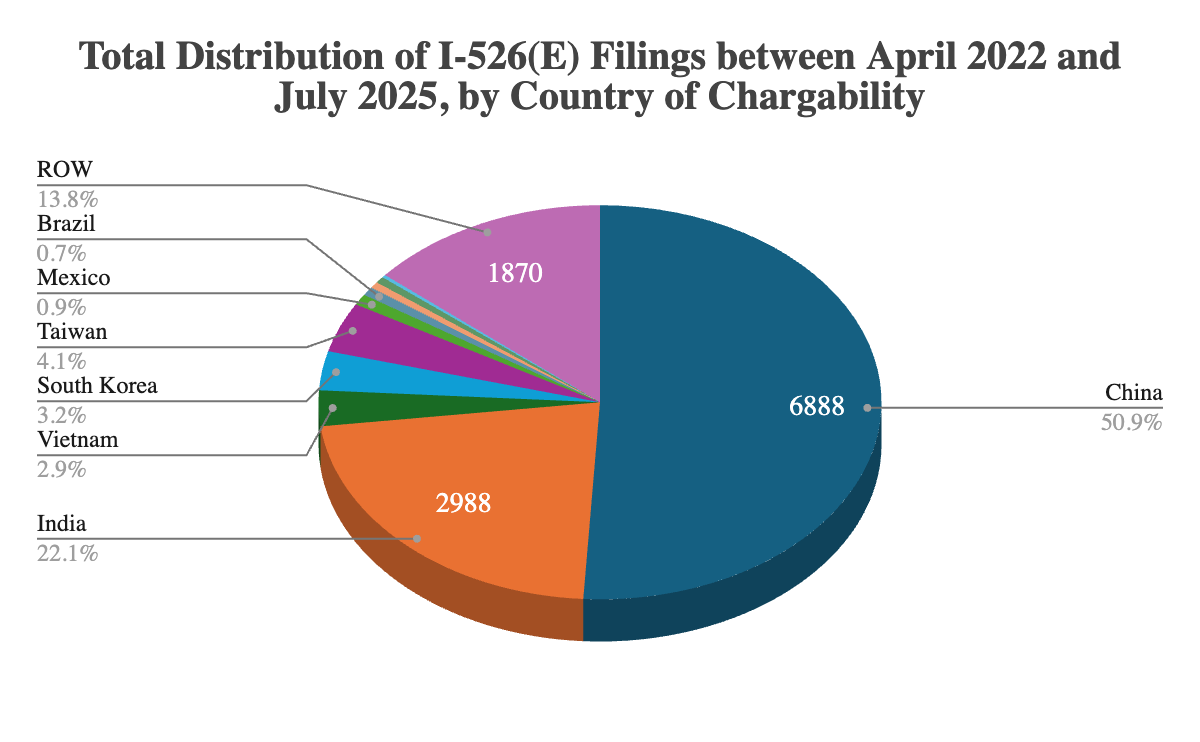
AIIA FOIA Series: Updated I-526E Inventory Statistics for July 2025
AIIA obtained new FOIA data through July 31, 2025 revealing how USCIS is actually processing EB-5 petitions, showing heavy prioritization of Rural cases, severe neglect of High Unemployment petitions, unclear handling of Infrastructure cases, and no imminent risk of Visa Bulletin cut-off dates in 2026 for set-aside categories. The data underscores serious transparency and processing failures at USCIS and highlights why continued AIIA advocacy and FOIA litigation are essential to protect EB-5 investors.

AIIA 与独联体监察员办公室举行第二次会议
美国投资移民协会与公民和移民服务监察员(CISOMB)的第二次会议涉及的议题包括维持期、老龄化、资金来源和路径问题,以及 EB-5 投资者在申请受理和裁决方面的透明度。.

AIIA 会见独联体监察员
AIIA 团队于 10 月 6 日参加了由 CIS 监察员主持的首次会议,会上团队讨论了影响 EB-5 投资者社区的各种问题。主要的问题是,EB-5 申请的延误和处理时间滞后是投资移民面临的大多数问题的根源,导致重新部署率、申请被拒率和老龄化率飙升,十分危险。.

谁对我的 EB-5 延期负责?
EB-5移民过程中的延误是长期存在的问题,已经累积成一些EB-5投资者的处理停滞。美国投资移民协会(AIIA)编制了一份指南,以确定其中一些最大的延误,并解释我们目前对国土安全部和国防部之间管理 EB-5 移民程序的理解。.

解决签证积压问题
由于美国移民程序中普遍存在诸多问题,签证积压成为各地 EB-5 移民的主要担忧。美国投资移民协会(AIIA)分析并概述了为解决 EB-5 项目积压问题而提出的不同制度性解决方案,这些方案基于各自的优点、可行性和可取性。如果这些解决方案中的任何一个在明年得到实施,EB-5 项目的审批和申请处理将迎来一次大规模的改革。.

RIA 之前的 EB-5 申请人需要等待多长时间才能获得签证?
美国投资移民协会(AIIA)利用我们通过最近的信息自由法案(FOIA)活动收集到的数据,根据历史数据趋势,为EB-5投资者提供来自积压国家的EB-5投资者的预期等待时间的总体估计。根据美国移民局目前的申请处理时间,考虑到自RIA通过以来,几乎没有采取任何措施来补救等待时间,因此大多数后退移民的前景是黯淡的。.
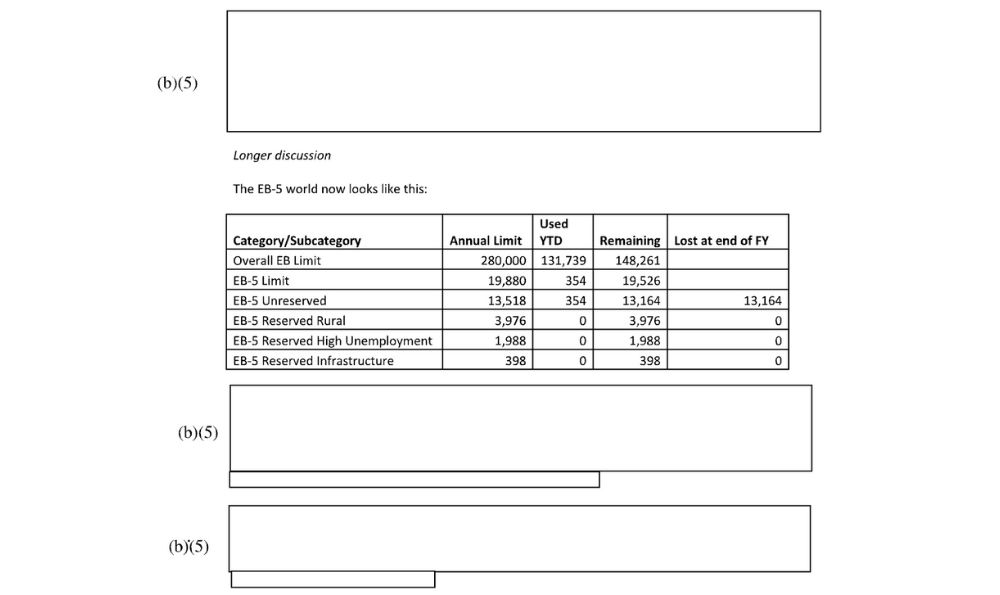
EB-5 签证积压问题
在签证积压系列的第二部分中,美国投资移民协会概述了导致 EB-5 计划出现签证积压的固有因素。这些因素包括国家上限和 EB-5 类别的存在、处理速度缓慢等。.
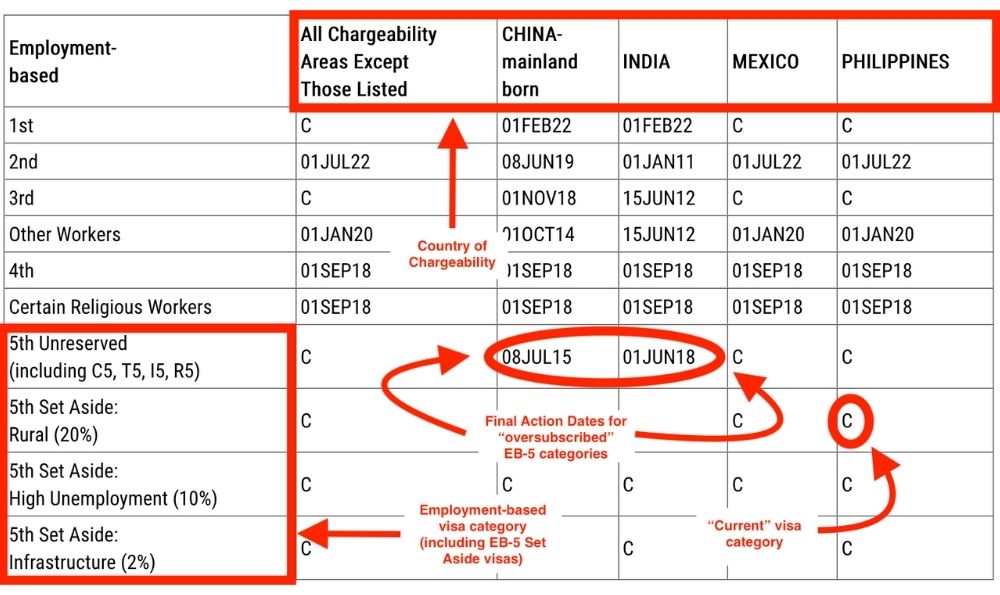
对于 EB-5 投资者来说,《签证公告》是如何工作的?
在 "签证积压 "系列的第一期中,美国投资移民协会全面介绍了 EB-5 计划、签证公告在其中的作用,以及 EB-5 投资者应如何解释签证公告以代替自己的优先日期。这些信息对那些因其所在国家而面临长期积压的投资者尤为重要。.
关于 AIIA 下一阶段宣传工作的公开网络研讨会
观看计划失效后的首次 AIIA 网络研讨会。在此期间,我们讨论了 EB-5 计划尚未解决的重要问题,包括处理效率、签证积压、维持和重新部署以及缺乏透明度等。.
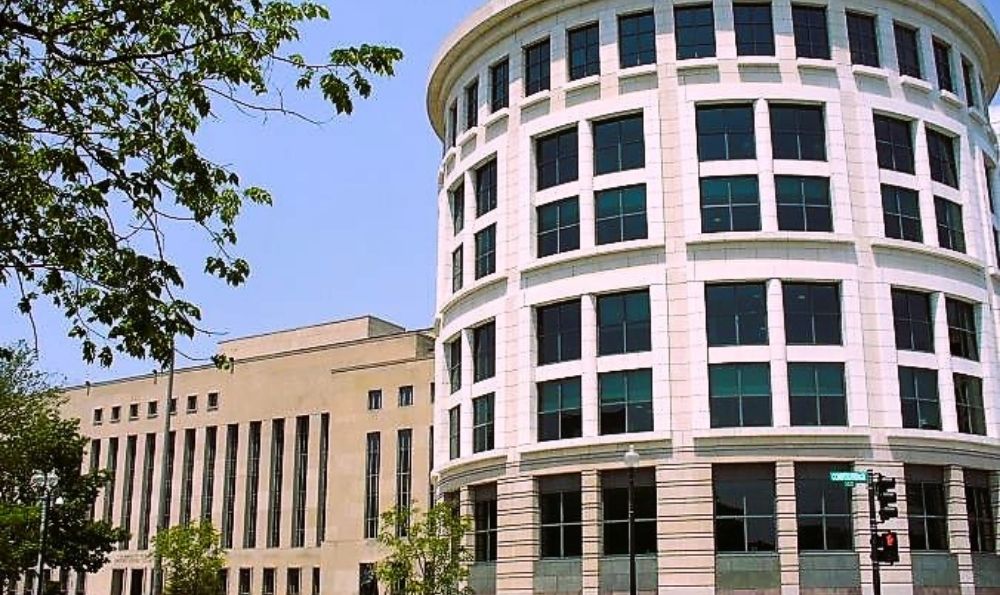
AIIA 提交 "法庭之友 "书状,支持投资者的 Mandamus 努力
美国投资移民协会支持 EB-5 投资者起诉美国公民及移民服务局(USCIS)拖延处理他们的申请。这些投资者起诉的目的是迫使美国公民与移民服务局最终处理他们的 EB-5 申请,因为这些申请已经经历了长时间的拖延。.
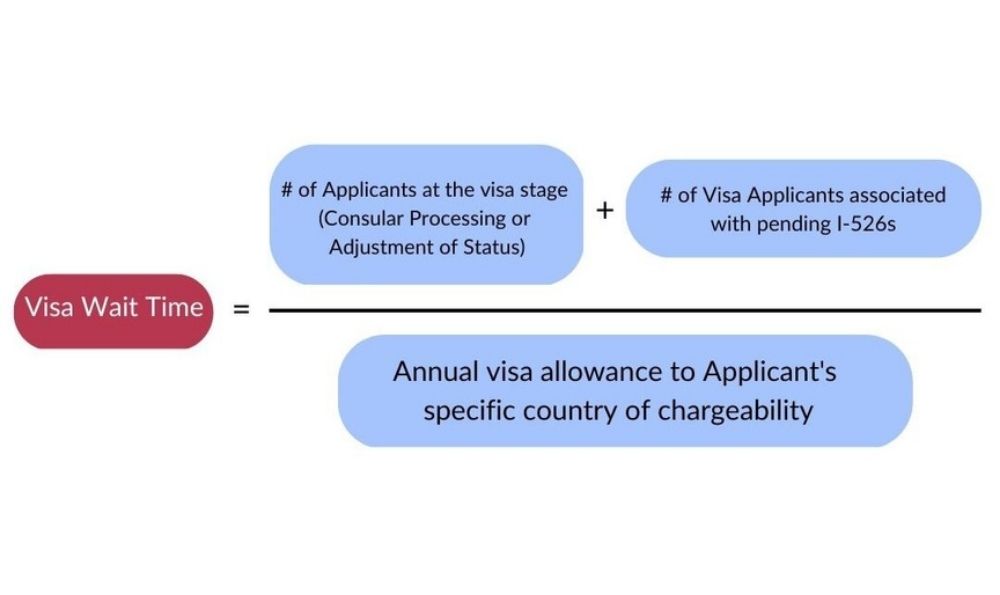
AIIA FOIA 系列:按国家分列的未决 I-526 和 I-829 申请
美国投资移民协会(AIIA)通过 FOIA 申请获得的数据显示了按国家分列的待批 I-526 和 I-829 申请的数量,揭示了等待美国公民与移民服务局(USCIS)处理的 EB-5 申请的积压情况。这些信息可用于估算 EB-5 投资者的签证等待时间。.

重新部署的噩梦
EB-5 重新部署问题摘要,讨论 EB-5 投资者必须在一定时间内保持其投资资金。这对投资者来说是个问题,因为 EB-5 申请的处理时间可能会很长。美国投资移民协会正在游说修改重新部署政策,使投资者受益。.
面向 EB-5 利益相关者
Featured Processing Delay Resources

提交 EB-5 申请加急申请
EB-5 加急申请仅限于项目或个人案例,需要提供强有力的证据,如经济损失、人道主义需求或国家利益,才能获得移民局批准。.
了解更多
针对 EB-5 处理延误的授权令状 (WOM)
强制令状迫使美国公民与移民服务局(USCIS)对延迟的 EB-5 申请采取行动,但这需要法律专业知识,而且不能保证加快处理速度。.
了解更多
EB-5 中的老龄化问题
儿童身份保护法》(Child Status Protection Act,CSPA)有助于冻结 EB-5 申请中儿童的年龄,但长期的签证积压仍会使儿童面临老龄化和失去移民资格的风险。.
了解更多专业人员名录

美国投资移民协会(AIIA)为所有 EB-5 利益相关者准备了一份从律师、投资专家到商业计划书撰写者的顶级专业人士名单。
查看专业人员名录常见问题
Why is slow visa processing such a major issue for EB-5 investors?
Prolonged processing times at USCIS and the Immigrant Investor Program Office (IPO) create deep uncertainty for EB-5 investors and their families. These delays postpone lawful permanent residency, disrupt financial planning, and can cause families to miss educational or employment opportunities. The unpredictability also discourages potential investors abroad, weakening confidence in the EB-5 program as a reliable immigration option.
How do slow processing times affect EB-5 projects and regional centers?
Extended delays impact not only investors but also project developers and regional centers that depend on EB-5 capital for economic growth. When investor petitions are stuck in long queues, projects may face funding shortages, increased administrative costs, and difficulties meeting job creation or compliance requirements. The resulting uncertainty can slow local economic development and diminish the EB-5 program’s overall impact.
What steps can be taken to improve EB-5 visa processing times?
Solutions include streamlining USCIS adjudication procedures, improving internal workflows, and allocating more staff and resources to handle the EB-5 caseload. Enhanced training, better technology systems, and clear accountability metrics could also make processing more predictable and efficient. These measures would allow investors and developers to plan with confidence and reduce the economic disruptions caused by long wait times.
How is AIIA addressing the issue of slow EB-5 visa processing?
AIIA actively advocates for procedural reform and increased government efficiency through direct engagement with policymakers, public transparency efforts, and coalition-building within the EB-5 community. By highlighting the real-world impacts of slow processing and pushing for targeted improvements at USCIS and IPO, AIIA works to ensure that EB-5 investors receive timely, fair, and transparent adjudications.
联系我们
如果您有任何问题、咨询或合作建议,请随时联系我们。
 Chinese
  English
  Vietnamese