投资与证券

投资者在 EB-5 投资过程中遇到的问题及其他证券问题

What We’re Fighting For

The reform of EB-5 securities law is crucial for safeguarding the interests of EB-5 investors and fostering a more transparent and secure investment environment. One of the key issues that necessitate reform is the concept of sustainment periods. The current regulations impose stringent requirements on EB-5 investors to sustain their investment for a specified period, often hindering their ability to navigate changing circumstances or market conditions. Reforming sustainment periods can provide investors with greater flexibility, allowing them to adapt their investments to evolving economic landscapes without compromising their eligibility for permanent residency.

Redeployment is another significant concern within the EB-5 program. The current regulations lack clarity on how funds should be redeployed after the initial investment period, leading to potential challenges for investors seeking to meet program requirements. Reforming these securities laws to provide explicit guidance on redeployment practices would offer investors more certainty and prevent undue complications in managing their investments. Clearer guidelines can also contribute to more efficient capital utilization, benefiting both investors and the projects they support.

Repayment issues further underscore the need for reform in EB-5 related securities laws. Ambiguities surrounding the timing and terms of repayment can create uncertainties for investors, impacting their ability to plan and manage their finances effectively. By addressing repayment concerns through comprehensive reform, the EB-5 program can attract more investors and enhance its reputation as a reliable and investor-friendly initiative. Ultimately, a well-reformed regulatory framework would not only protect the interests of EB-5 investors but also contribute to the program’s long-term success and positive impact on the U.S. economy.

Investment and Securities News & Articles

2025 年 8 月有关持续期诉讼的最新情况--EB-5 投资者需要做什么

AIIA opposed IIUSA’s lawsuit to extend the EB-5 sustainment period, filing an amicus brief that helped secure a ruling from Judge Reyes affirming the RIA’s two-year at-risk rule for post-RIA investors. USCIS will now draft formal regulations, and AIIA plans to mobilize investors during the public comment period to protect this interpretation from industry pushback.

IIUSA fails to come to an agreement with USCIS on sustainment period

AIIA is opposing an IIUSA lawsuit that could lengthen the EB-5 sustainment period for post-RIA investors, undermining the 2-year rule set by Congress. A recent hearing went poorly for our side, and while current rules remain in effect for now, a settlement or court ruling could revert to harmful pre-RIA timelines, so AIIA is preparing legal and advocacy actions to protect all investors.

Update on the IIUSA vs USCIS Sustainment Lawsuit

On Jan. 28, 2025, a court hearing in IIUSA v. USCIS cast doubt on DHS’s two-year sustainment interpretation, risking a return to pre-RIA rules with longer investment periods and redeployment risks. AIIA is fighting back with legal action and needs your support to protect EB-5 investors.

Analysis of the IIUSA vs USCIS suit on EB-5 Sustainment Period (Part 2)

Read part 2 of our two-part analysis on IIUSA's sustainment lawsuit complaint regarding why we believe their logic is faulty, and what we plan to do to make sure EB-5 investors' rights are protected in the process.

Analysis of the IIUSA vs USCIS suit on EB-5 Sustainment Period (Part 1)

Read part 1 of our two-part analysis on IIUSA's sustainment lawsuit complaint regarding why we believe their logic is faulty, and what we plan to do to make sure EB-5 investors' rights are protected in the process.

Regional Centers file lawsuit to revert sustainment period rules for post-RIA investors

Invest in the USA (IIUSA), an organization representing a number of EB-5 regional centers, have just filed a lawsuit against USCIS over this updated sustainment period clarification. We believe that this lawsuit has the potential to gravely undermine the financial interests of EB-5 investors, read this blog to find out why.

How to financially prepare for an EB-5 investment while working on the H-1B

In this guide co-written by Vrishin from CapitalWe and AIIA, we explored the different methods which prospective EB-5 investors on H1-B visa can best prepare for their eventual investment.

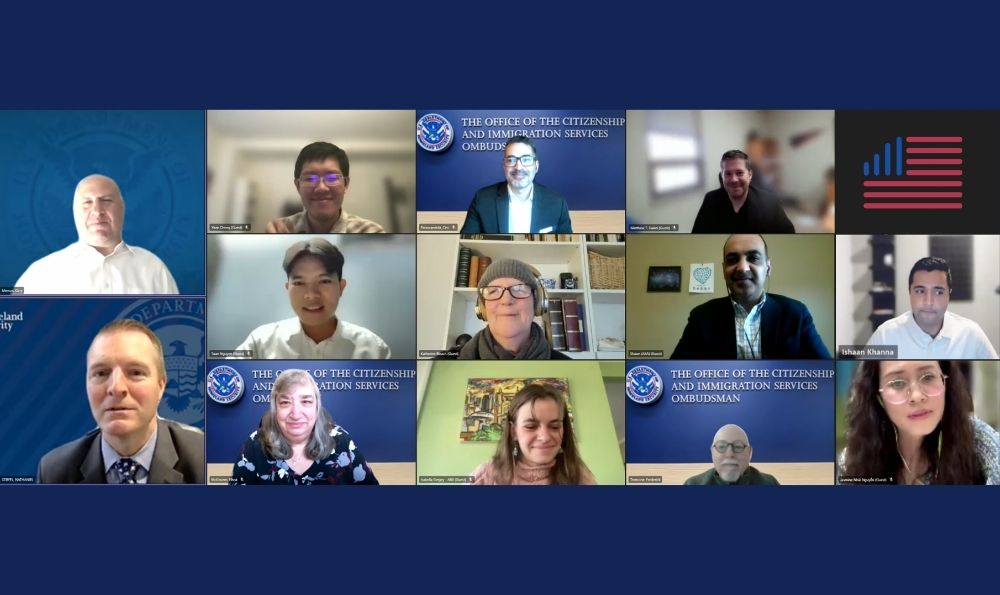
AIIA 与独联体监察员办公室举行第二次会议

AIIA’s second meeting with the Citizenship and Immigrant Services Ombudsman (CISOMB) covered topics such as the sustainment period, aging out, source and path of funds issues, as well as transparency with EB-5 investors regarding petition intake and adjudications.

AIIA 会见独联体监察员

The AIIA Team attended their first meeting hosted by the CIS Ombudsman on October 6th, where the team discussed all kinds of issues affecting the EB-5 investor community. Predominantly, delays and stunted processing times for EB-5 petitions are the root of most issues facing immigrant investors, causing dangerously high spikes in the rate of redeployment, petition denials, and aging out.

Injunction filed on Florida Alien Land Law that has potential impact on EB-5 investors

Xenophobia dominated Florida’s gubernatorial offices when a law to ban investments and property acquisition by citizens of “countries of interest” passed this month. What this bill really signifies is a racist effort to violate the constitutional rights of primarily Chinese immigrants living, working, and investing in the state. AIIA analyzes the risks of future EB-5 investment made in Florida and any negative impacts expected on the investor’s EB-5 journey.

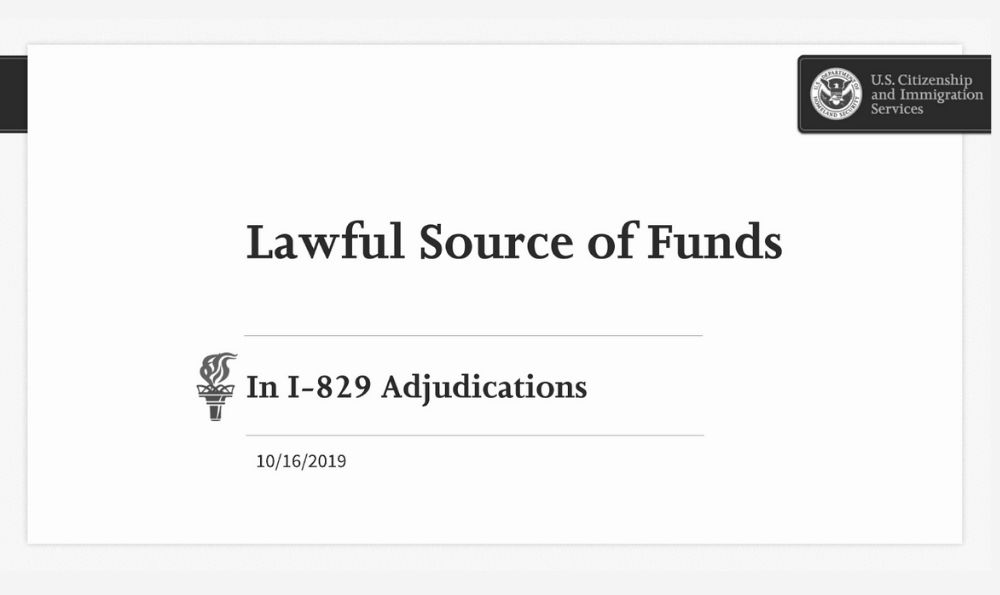
AIIA FOIA Series: Source of Funds Review at I-829 stage

USCIS has provided some information on the re-adjudication of Source of Funds are I-829 stage, but much of it is redacted. The article also focuses on the issue of re-examining the source of funds and path of funds used by investors. AIIA says that this scrutiny can be unfair to investors who used informal methods to transfer funds.

AIIA Submits Comments and Questions to USCIS Ahead of March 20 EB-5 Stakeholder Engagement

The EB-5 Reform and Integrity Act (RIA) introduced changes, but the impact on investors, particularly pre-RIA investors, remains unclear. AIIA raises questions about investment period, sustainment requirements, and the effect of regional center terminations.

Issues Within Investment and Securities

Select any of the issues before to access resources, news articles, and blog posts about that issue.

Featured Investment and Securities Resources

EB-5 的阴暗面--相关风险概述

The "at-risk" requirement, redeployment clauses, potential fraud, delayed processing, petition denials, and children aging out.

了解更多
EB-5 投资者有权在美国法院起诉追回投资款

包括 EB-5 投资者在内的非公民在美国拥有强大的宪法权利--包括正当程序和起诉权--而且提起诉讼一般不会损害移民结果。投资者应了解诉讼地规则,审查合同,并记录任何威胁或报复行为,因为当发行人拖延还款、资金管理不善或有不当行为时,诉讼往往是唯一有效的补救措施。

了解更多

EB-5 背景下的证券和公司法与移民法

EB-5 投资纠纷和移民结果涉及不同的法律体系,因此对发行人提起诉讼通常不会损害投资者的移民案件。如果投资者怀疑存在欺诈或项目问题,应迅速采取行动,因为拖延会危及他们的资金和移民身份。

了解更多
过早退出 EB-5 项目

提前提取 EB-5 资金通常比较困难,因为资金已投入到项目中,必须保持 "风险",但只有在违反合同或发行人的拒绝缺乏合法商业理由的情况下,投资者才可要求还款。在有限的情况下可以提起诉讼,但投资者必须拿出有力的证据,否则就有可能被拒绝并承担额外的法律费用。

了解更多

准备针对 EB-5 区域中心的诉讼

成功的 EB-5 诉讼取决于详尽的文件记录,因此投资者应保存所有记录--从合同到信息,并保持清晰的时间表,以加强未来的索赔。外语证据必须经过专业翻译,因为错误或缺失的文件会严重削弱案件的效力。

了解更多

如何寻找优秀的 EB-5 诉讼律师

选择一位具有 EB-5 和诉讼经验的律师,他要有条理、注重细节并避免做出保证。根据您的案件,您可能需要一名证券或公司律师。AIIA 可以为您联系经过审核的律师。

了解更多

人多力量大:联合诉讼

汇集 EB-5 诉讼可以降低成本,但投资者必须在目标上保持一致,确保不违反保密规则,并与律师密切合作以形成一个统一的团体。成功的集合案件需要共同的利益、强大的组织和有能力的领导团队,同时所有成员都必须为所涉及的时间、信息披露和复杂性做好准备。

了解更多

EB-5 集体诉讼

集体诉讼让一名投资者代表所有受到类似损害的投资者,与集中诉讼相比,集体诉讼的杠杆作用更大,财务风险通常更低,但集体诉讼也要复杂得多,必须满足严格的标准,如数量、典型性和优越性。当合格的集体诉讼律师以应急方式接手案件时,往往意味着对案件的是非曲直有很强的信心。

了解更多

EB-5 的诉讼费用
了解更多
仲裁现实:EB-5 投资者须知
了解更多
"EB-5 诉讼中的 "私密性
了解更多
重新部署难题
了解更多

与专业人士联系

AIIA has curated a list of the top professionals from attorneys, investment specialists, to business plan writers to support all all EB-5 stakeholders

专业人员名录

Directory of Professionals

AIIA has curated a list of the top professionals from attorneys, investment specialists, to business plan writers to support all all EB-5 stakeholders

查看专业人员名录

FAQ

What is the sustainment period?

The sustainment period refers to the minimum time EB-5 investors must keep their capital invested in a qualifying project to maintain immigration eligibility. Current rules often lack flexibility, forcing investors to keep funds tied up in projects longer than anticipated, even when circumstances change. AIIA advocates for a more adaptable and investor-friendly sustainment period that reflects economic realities while still meeting program goals.

What does “redeployment” mean in the EB-5 context, and why is it problematic?

Redeployment occurs when an investor’s EB-5 funds are reinvested into a new project after the original project concludes, often due to USCIS’s long processing time and visa backlogs. However, current guidance on redeployment is vague and inconsistent, leaving investors uncertain about what qualifies as compliant reinvestment. AIIA advocates for clear, written rules on redeployment to prevent confusion and ensure funds are used responsibly and transparently.

How do repayment issues affect EB-5 investors?

Ambiguities around when and how investors can be repaid after meeting EB-5 requirements create uncertainty and financial stress. Some investors face long delays in receiving returns or encounter unclear terms that make planning difficult. Reforming repayment guidelines would ensure predictable, fair, and transparent repayment processes, giving investors the confidence needed to participate in the program.

联系我们

如果您有任何问题、咨询或合作建议,请随时联系我们。

联系我们