EB-5 Issue
EB-5 Policy and Oversight
美国投资移民协会的宣传活动、有关 EB-5 计划的新闻以及我们在美国移民局问责制方面取得的进展
What We’re Fighting For
AIIA’s work in reforming EB-5 law and policy is focused on promoting equity and transparency between EB-5 investors, the EB-5 industry, and the U.S. Government. The bulk of our work is rooted in the nuanced landscape of the EB-5 program, including laws created by Congress and policy from government agencies like the USCIS, Department of State, and the Justice System. We seek to end injustices in the program- such as redeployment, slow processing, and arbitrary denials- and improve the program for the U.S. communities that need it most.
The need for clarity regarding most clauses of the 2022 EB-5 Reform and Integrity Act is evident. We recognize the importance of precise guidelines to demystify the legislation, ensuring its effective implementation. Through strategic advocacy, we aim to bridge gaps, seeking clarifications on specific clauses that impact both investors and industry participants, fostering a more transparent and navigable EB-5 program. The American Immigrant Investor Alliance plays a pivotal role in this advocacy, championing the cause for transparency and equitable policies that benefit both investors and the EB-5 industry.
Equity between EB-5 investors and the industry is paramount for the sustained success and credibility of the program. Striking a balance that ensures the protection of investors’ interests while fostering an environment conducive to project development is a delicate yet essential task. The American Immigrant Investor Alliance plays a crucial role in advocating for fair and equitable policies that safeguard the rights of investors while promoting the growth and sustainability of the EB-5 industry by negotiating with influential industry members and government officials. This commitment to equity is pivotal in maintaining the integrity of the EB-5 program and also attracting new investors for the future of the program.
Transparency is a linchpin in the relationship between all EB-5 stakeholders and the U.S. government. Open communication and access to crucial information are imperative for informed decision-making and maintaining the trust of investors. AIIA’s advocacy extends to this critical aspect, emphasizing the need for transparency between stakeholders and the U.S. government. By filing Freedom of Information Act requests to obtain vital data from USCIS, AIIA ensures that stakeholders are well-informed and empowered to actively participate in shaping the trajectory of the EB-5 program. Additionally, the Alliance’s engagement in litigation serves as a formidable tool to secure legal victories, further reinforcing the principle of transparency and accountability within the EB-5 ecosystem. Through these multifaceted efforts, the Alliance stands as a staunch advocate for the rights and interests of EB-5 investors globally, striving to create a more equitable and transparent landscape within the program.
Newsroom
Immigration News & Articles

我们赢得了 EB-5 费用上涨诉讼
美国投资移民协会成功赢得了针对美国移民局 2024 年 4 月提高 EB-5 费用的诉讼,联邦法官裁定该机构在未按规定进行费用研究的情况下非法提高费用,并根据《美国投资移民法》(APA)任意行事;在诉讼继续进行期间,旧的、较低的费用现已恢复生效,美国投资移民协会正在探索潜在的集体诉讼,以寻求向支付了较高费用的投资者和区域中心退款。

还有一年时间投资 EB-5 区域中心项目
AIIA warns that EB-5 Regional Center investors will lose protection after Sept. 30, 2026 unless they file I-526E petitions before that date, as the program may lapse again in 2027 amid the administration’s push for the competing $1M “Gold Card” scheme. AIIA—creator of EB-5 grandfathering—urges investors and issuers to act now and continues advocating for extended protections if Congress fails to reauthorize the program.
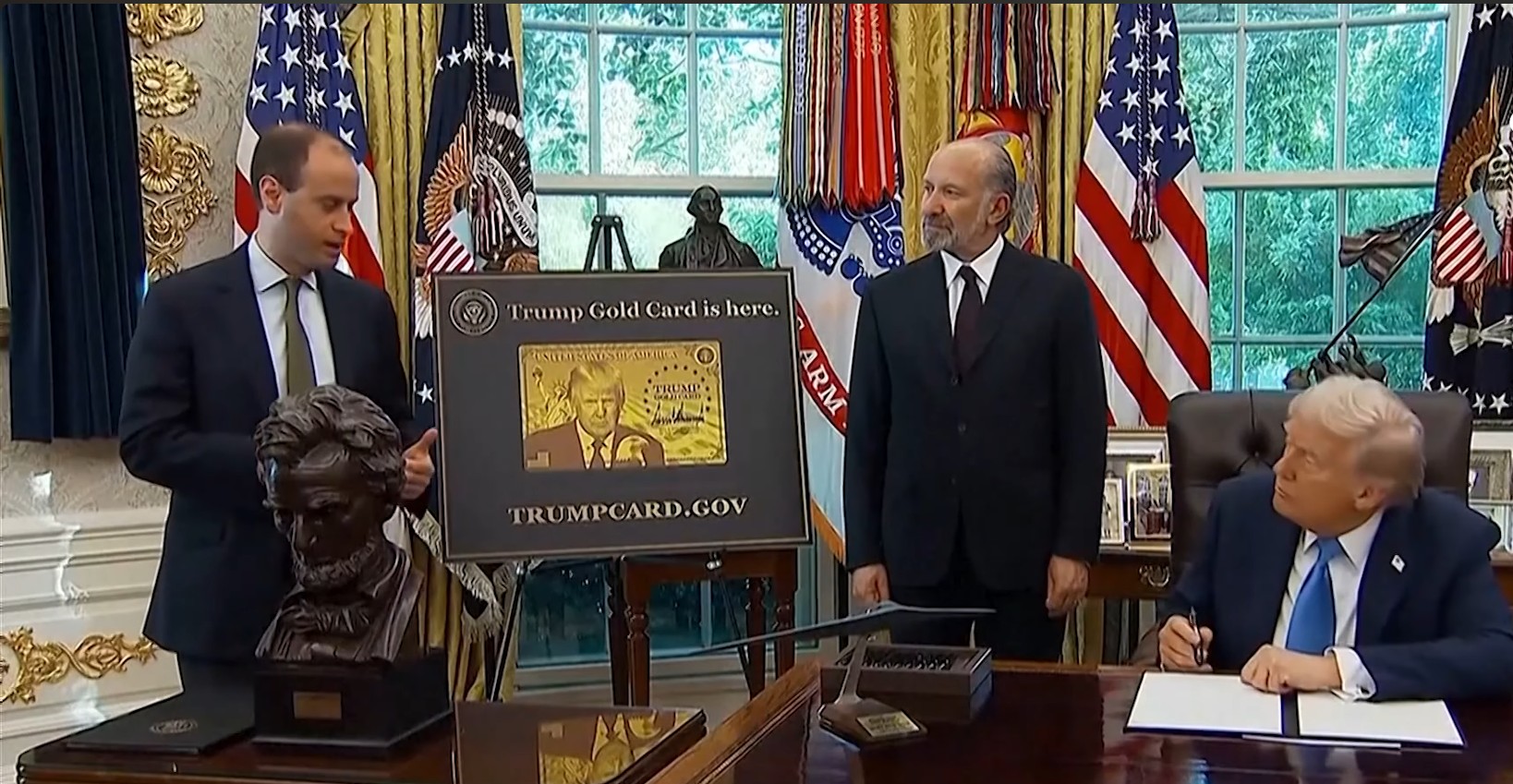
特朗普金卡:与 EB-5 竞争的新绿卡途径
Trump’s new $1M “Gold Card” visa plan competes directly with EB-5 and raises serious legal concerns, as it lacks statutory authority and reinterprets EB-1/EB-2 categories in ways likely to be blocked in court; unlike EB-5, Gold Card funds go straight to the U.S. Treasury, signaling a shift toward government revenue over job-creating private investment and raising risks for EB-5’s 2027 reauthorization.

保护善意 EB-5 投资者的斗争
The RIA was designed to protect “good faith” EB-5 investors when projects fail due to no fault of their own, but USCIS has failed to implement these protections, leading to lawsuits like those by AIIA co-founder Rajvir Batra and seven other investors. AIIA supports these legal actions to ensure timely notices, 180-day cure periods, and preservation of investors’ immigration status.
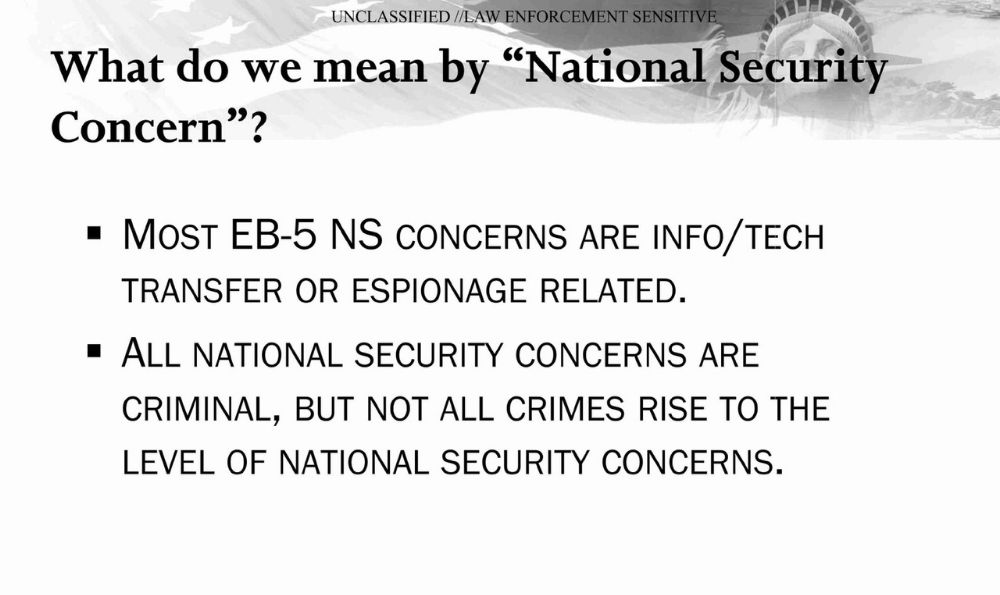
AIIA FOIA Series: Hidden USCIS Adjudication Standards – National Security Checks
FOIA disclosures reveal that USCIS’s FDNS uses opaque, often subjective “national security” indicators—especially for investors from countries of concern like China—to flag EB-5 cases for lengthy reviews or denials, with triggers ranging from military ties to certain university affiliations. These reviews can occur at any stage and cause years of delays unless addressed through litigation or political intervention.
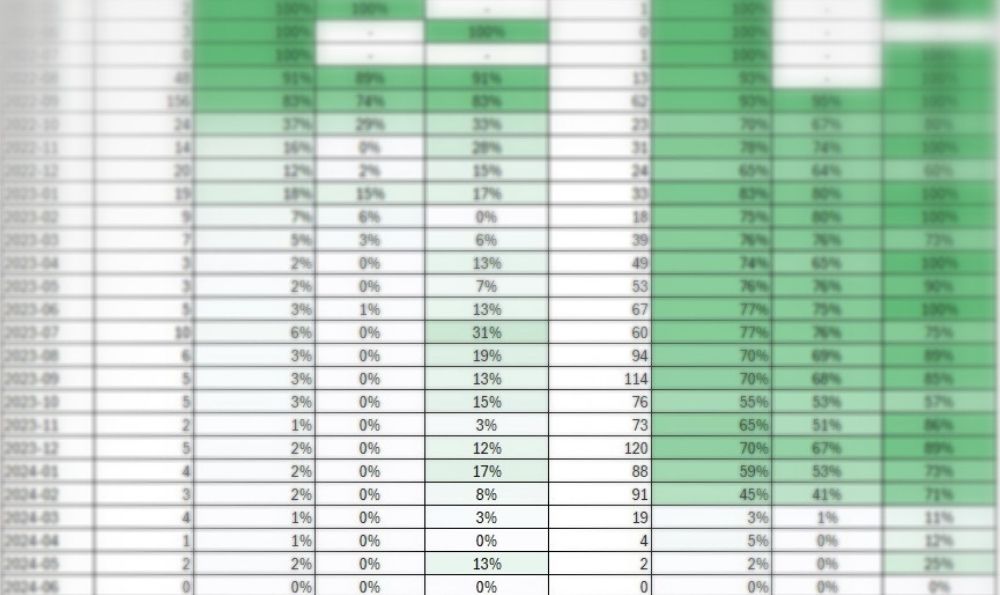
AIIA FOIA Series: Post RIA Petition Approval Statistics for January 2025
USCIS FOIA data shows post-RIA EB-5 adjudications are slow, with rural cases moving faster than high unemployment cases but both far from clearing the backlog—meaning long waits ahead, especially for HUA investors.
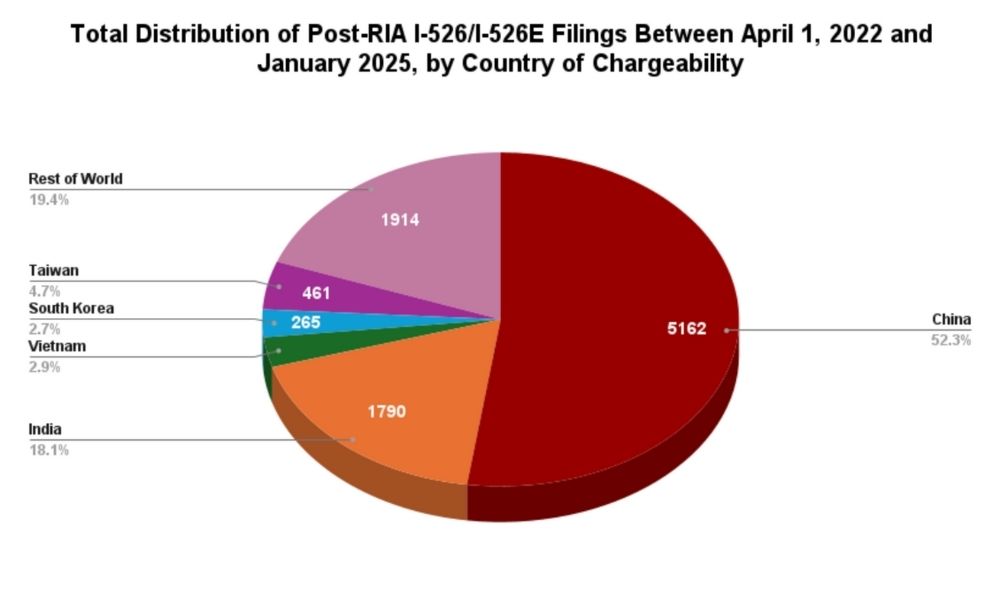
AIIA FOIA Series: Updated I-526E Inventory Statistics for January 2025
USCIS FOIA data obtained by AIIA shows post-RIA EB-5 demand far exceeds annual visa limits—about 10× for high unemployment and 4× for rural—creating long potential wait times, especially for China and India. We ask you to consider donating to sustain FOIA litigation and advocacy for investor transparency.
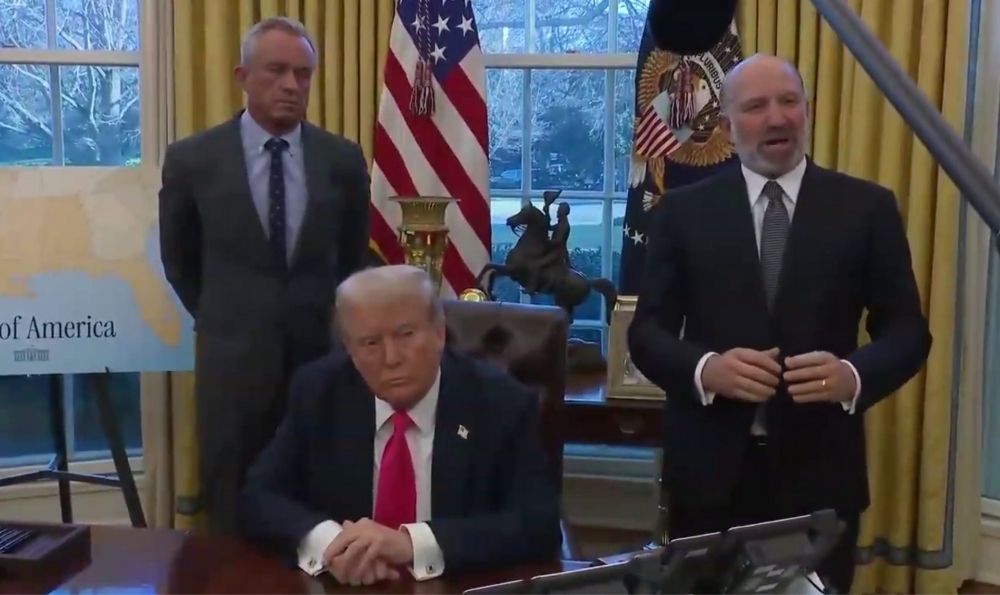
Trump's Desire to Replace the Current EB-5 Program
Trump announced a $5M “Gold Card” visa to replace EB-5, but only Congress can abolish EB-5, which is authorized through 2027 with strong investor protections. AIIA will fight any unlawful attempts to harm EB-5 and urges investors to remain confident while preparing for future advocacy.

AIIA FOIA Series: Updated I-526E Inventory Statistics for July 2024
AIIA has filed FOIA requests to USCIS for data on I-526 and I-526E filings, revealing trends from April 2022 to July 2024. The data shows a rise in demand for high unemployment and rural TEA visas, with wait times increasing due to limited annual visa availability. The backlog is especially concerning for applicants from China and India.

AIIA FOIA Series: Pre-RIA I-526 data as of July 2024
AIIA's recent FOIA requests have uncovered detailed data on pending EB-5 I-526 petitions as of July 2024, highlighting the backlog of pre-RIA investors, particularly from China, India, and the Rest of World. The data emphasizes the significant wait times for pre-RIA investors, while also shedding light on the growing backlog for post-RIA investors, especially from China, where there may not be enough visas to clear the backlog by 2030.

Courts Rule Against Regional Centers on Visa Rollover Lawsuit
A court ruling has blocked IIUSA's attempt to prevent the rollover of unused EB-5 set-aside visas into the unreserved category, ensuring more visas for pre-RIA investors, especially those from China and India, reducing their wait times. This decision preserves the status quo, benefiting past investors while maintaining potential backlogs for post-RIA set-aside investors, and AIIA continues to monitor the case and protect investor interests.

Overview of I-526E Statistics for March 2024
AIIA’s recent FOIA request reveals trends in EB-5 petition filings from April 2022 to early 2024, showing strong demand from China and India, with increasing interest from Latin America and Europe. The data highlights an imbalance, with High Unemployment Area petitions surpassing Rural petitions, especially in Colombia and Europe.
Issues Within Immigration
Select any of the issues before to access resources, news articles, and blog posts about that issue.
面向 EB-5 利益相关者
Featured EB-5 Policy & Oversight Resources

EB-5 计划物流:直接与区域中心
EB-5 investments are direct or regional center types; regional centers pool funds and count indirect jobs, while direct requires active management and counts direct jobs only.
了解更多
The Unique Benefits of EB-5 Financing for Developers
EB-5 financing offers developers flexible, lower-cost, pooled capital with hands-off management, enabling diverse job-creating projects and easier access amid tight lending markets.
了解更多
Choosing between Direct vs Regional Center EB-5 financing
Direct EB-5 suits single investors creating direct jobs; Regional Center EB-5 pools multiple investors, counting direct and indirect jobs for larger projects needing more capital.
了解更多
The Sale of EB-5 Securities Offerings
EB-5 securities sales often use Regulation D (U.S. investors) and Regulation S (foreign investors) exemptions to avoid SEC registration while complying with anti-fraud and disclosure rules.
了解更多
企业和创造就业机会,直接 vs 区域中心:EB-5 项目的基本组成部分
EB-5 investors must invest in a New Commercial Enterprise (NCE) creating 10+ jobs. Regional Centers allow passive investing; direct requires active job creation. Know NCE/JCE roles.
了解更多
Is EB-5 Regional Center financing right for my project?
EB-5 regional center financing fits large projects creating many jobs, preferably in TEAs, with sufficient funds and investor appeal, but requires complex compliance and marketing.
了解更多与专业人士联系
AIIA has curated a list of the top professionals from attorneys, investment specialists, to business plan writers to support all all EB-5 stakeholders
专业人员名录

AIIA has curated a list of the top professionals from attorneys, investment specialists, to business plan writers to support all all EB-5 stakeholders
查看专业人员名录Frequently Asked Questions
What is AIIA’s primary goal in reforming EB-5 policy?
AIIA’s primary goal is to promote equity and transparency among EB-5 investors, the EB-5 industry, and the U.S. Government. We work to ensure fair treatment for investors, advocate for clear and consistent policies, and address systemic issues such as redeployment, slow processing times, and arbitrary denials within the EB-5 program.
How does AIIA’s advocacy benefit EB-5 investors directly?
AIIA’s efforts help EB-5 investors by protecting their rights, increasing transparency, and reducing uncertainty throughout the immigration and investment process. Whether it’s pushing for faster adjudications, clarifying redeployment requirements, or challenging unfair denials, our advocacy ensures that investors are treated fairly and that the EB-5 program remains a trustworthy path to U.S. immigration and community investment.
联系我们
如果您有任何问题、咨询或合作建议,请随时联系我们。
 Chinese
  English
  Vietnamese